Antiques-100 Years Old +
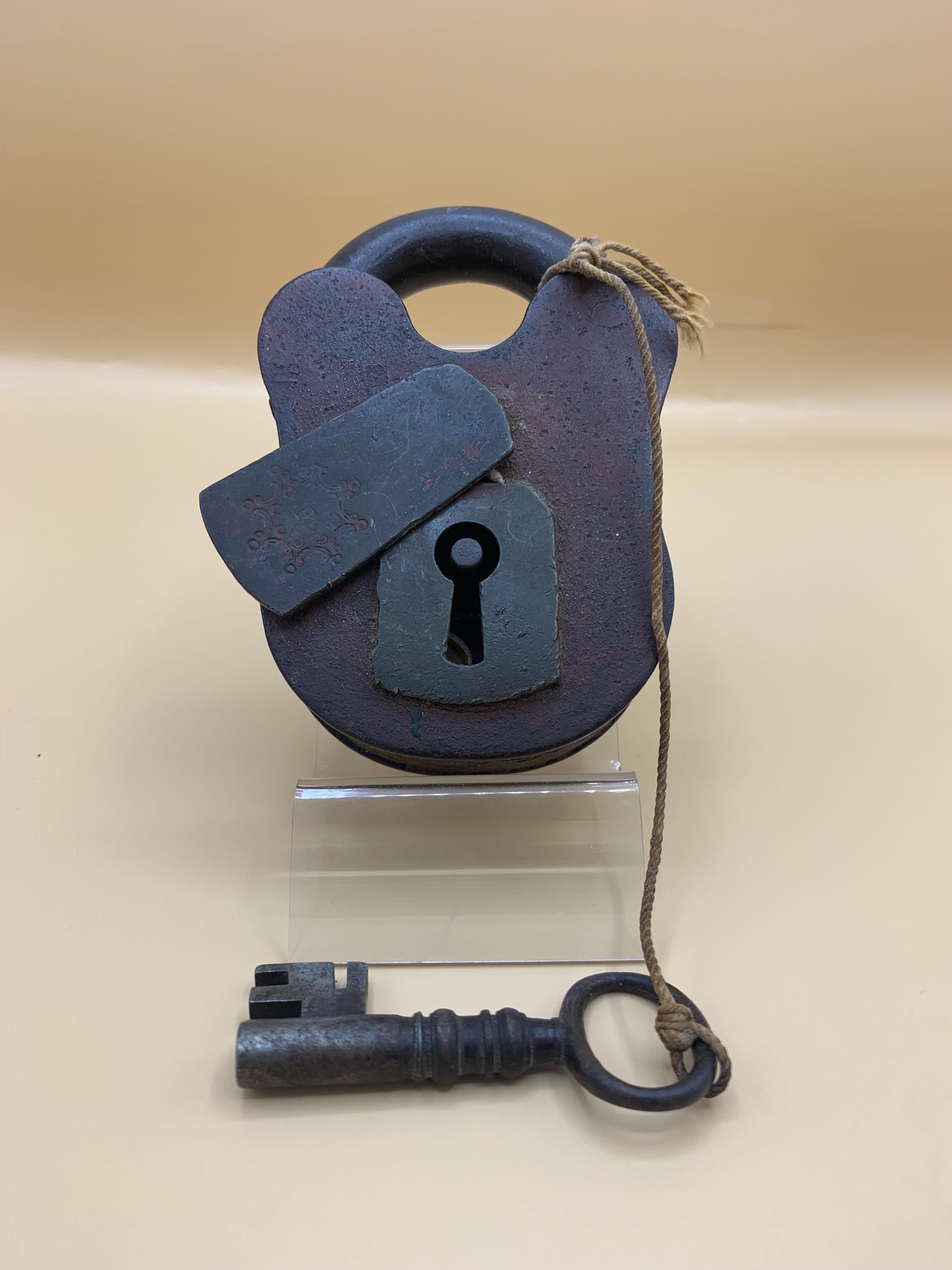
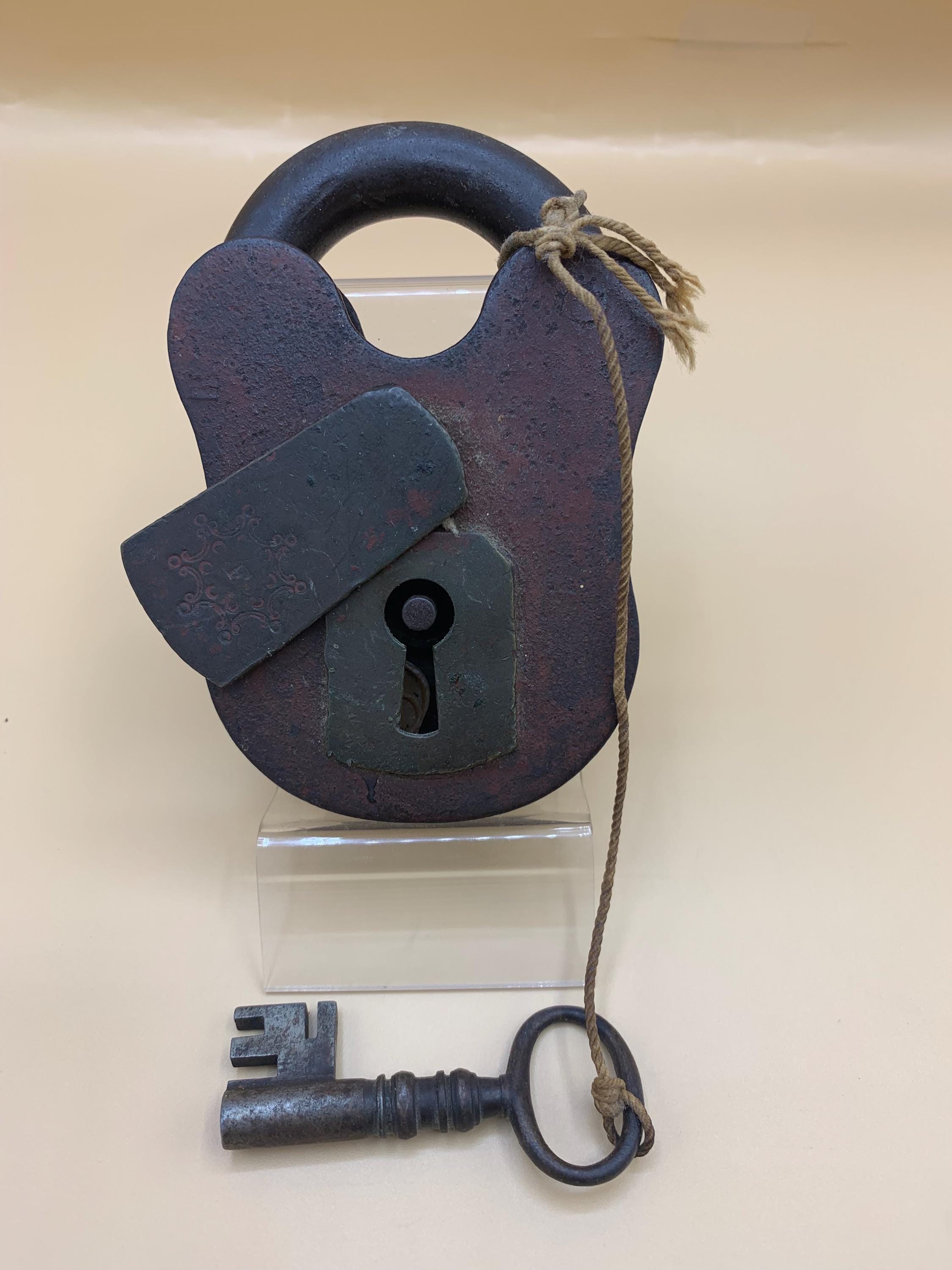
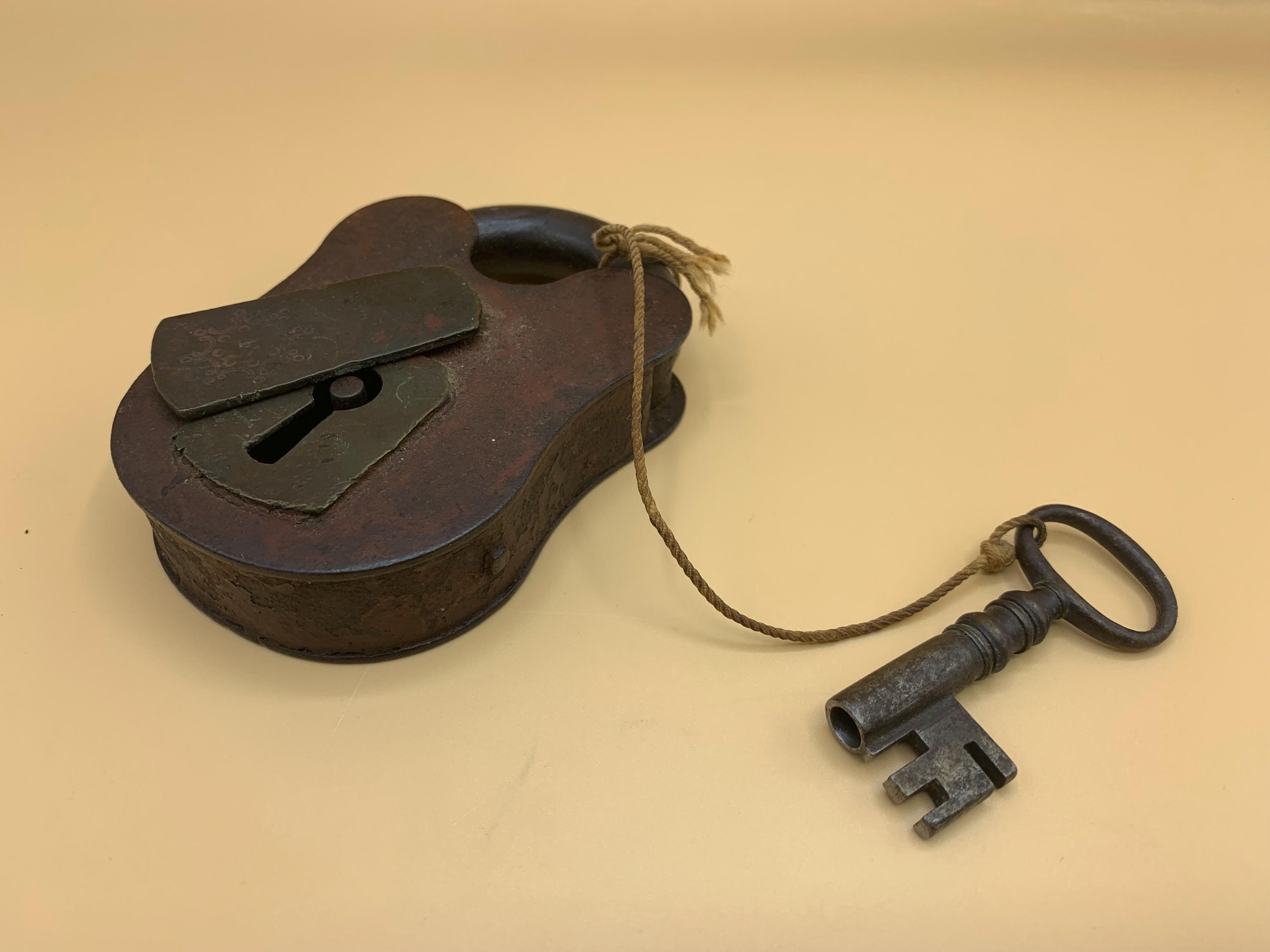
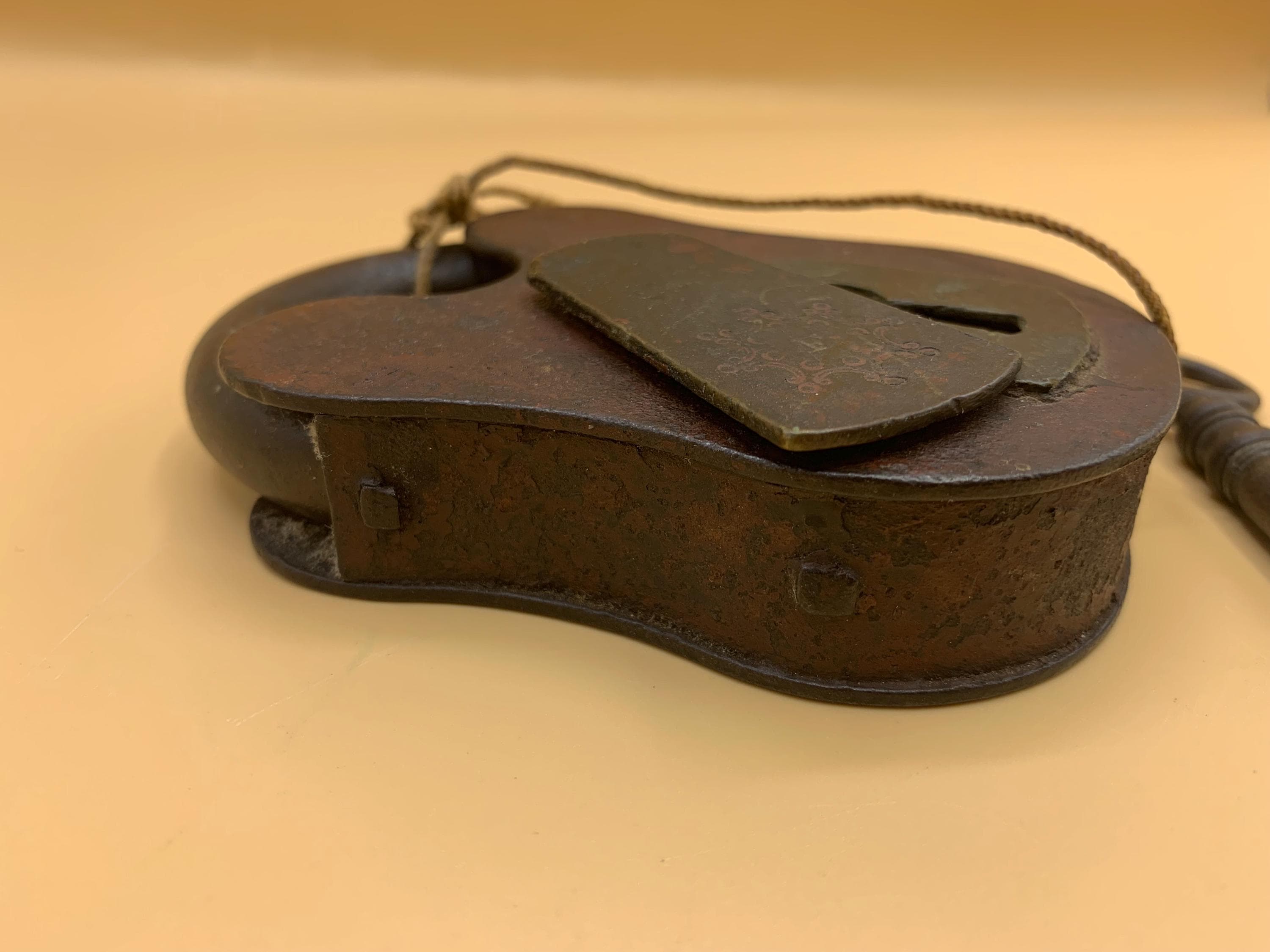
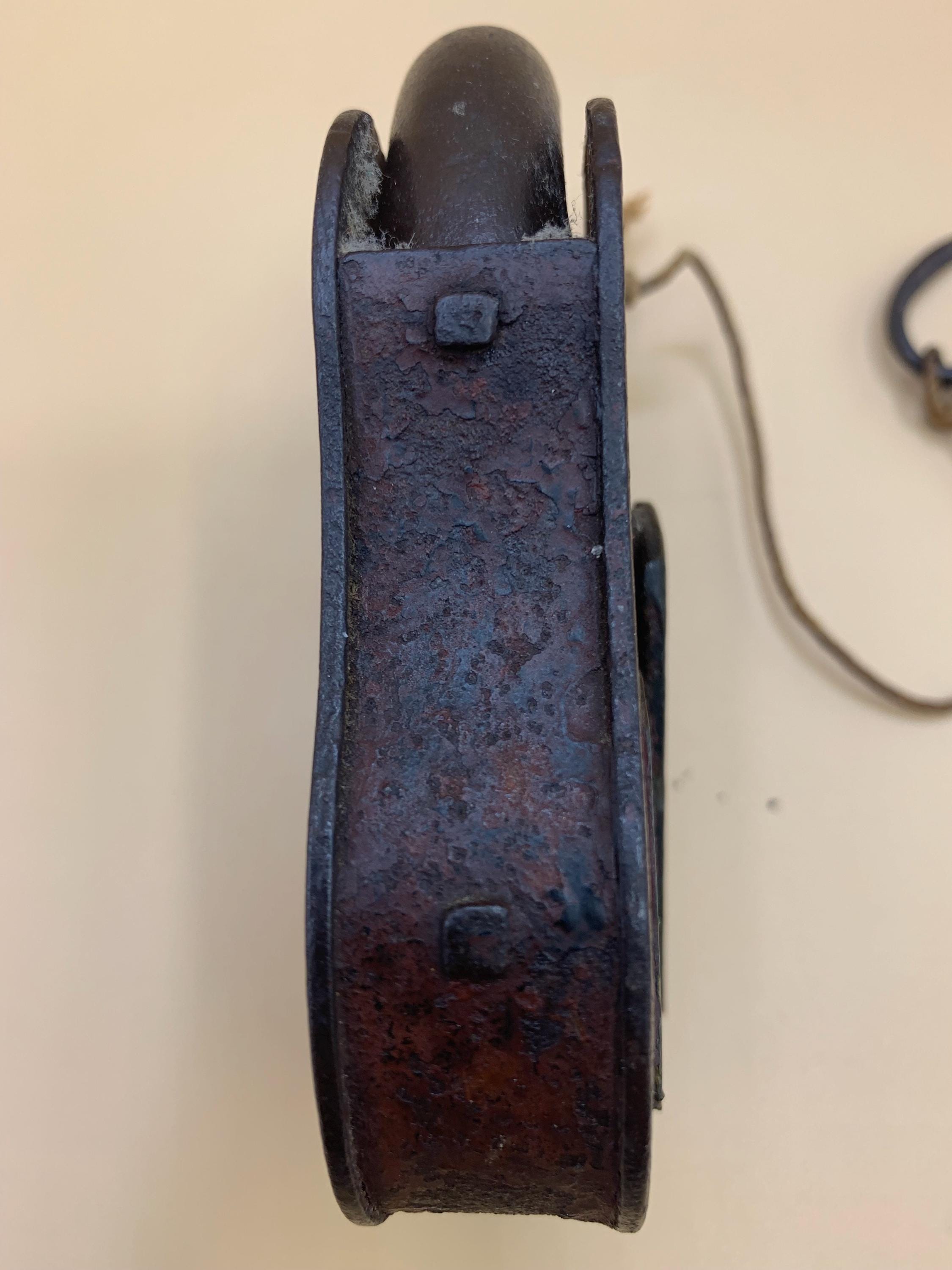
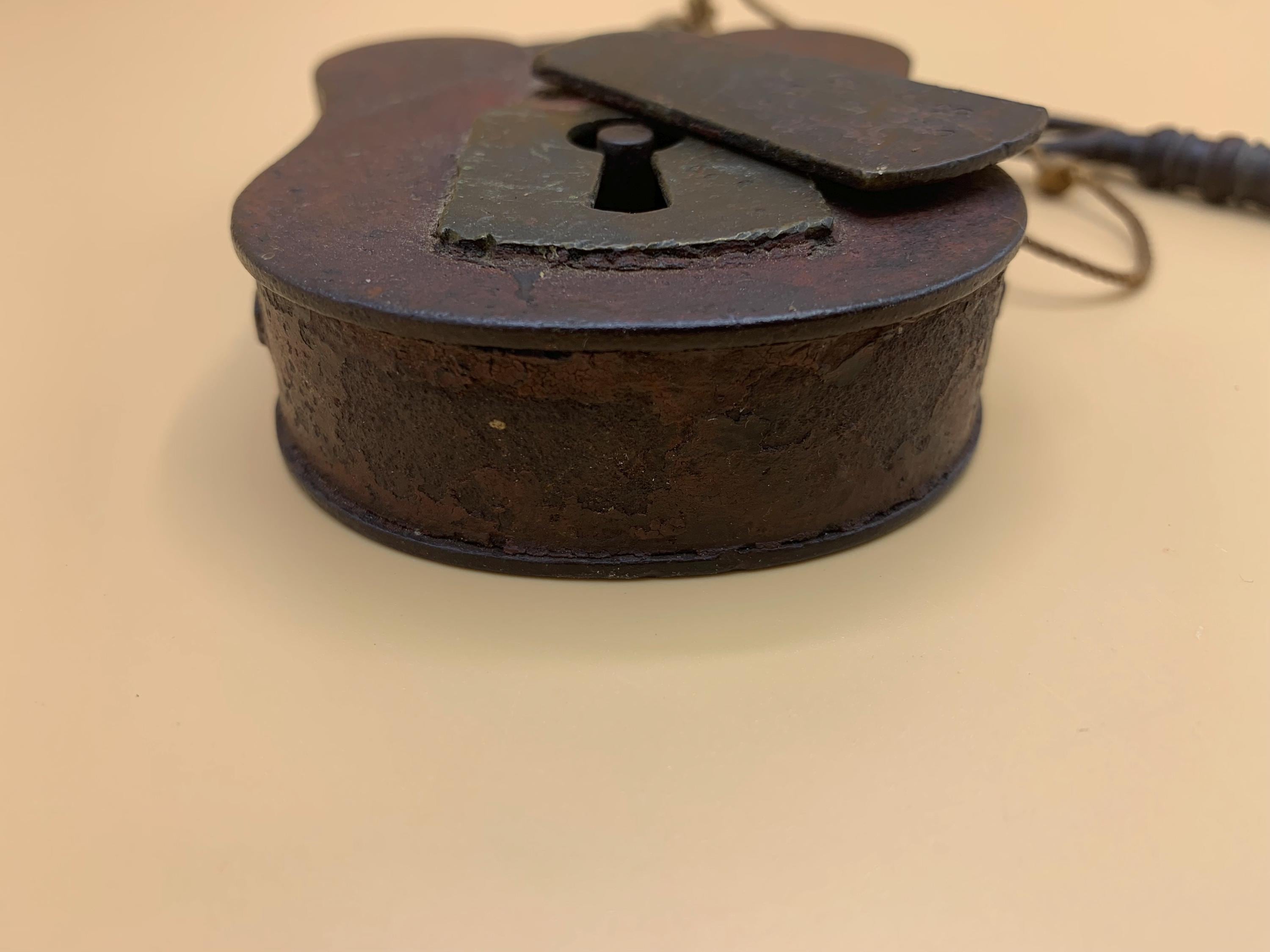
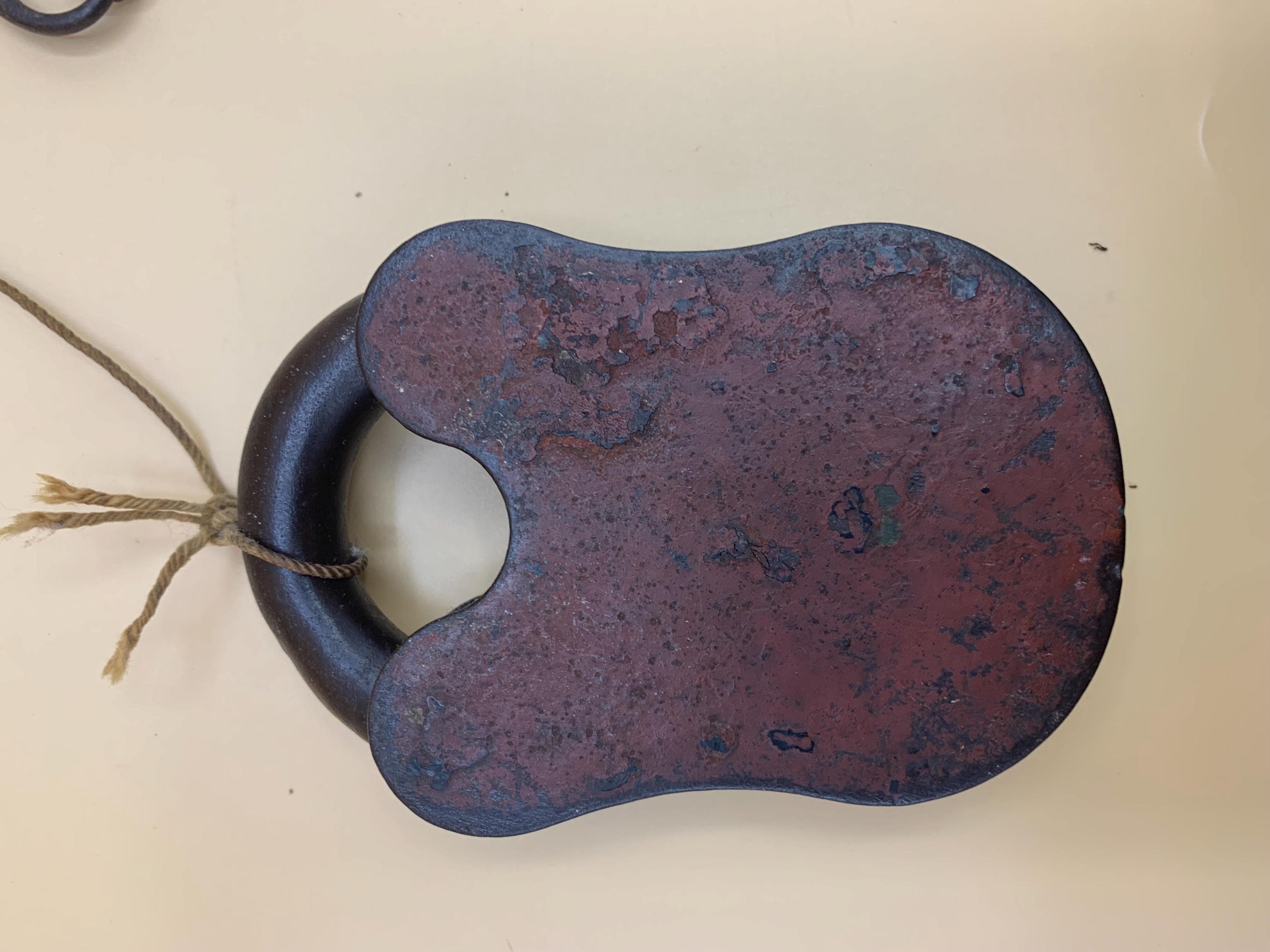
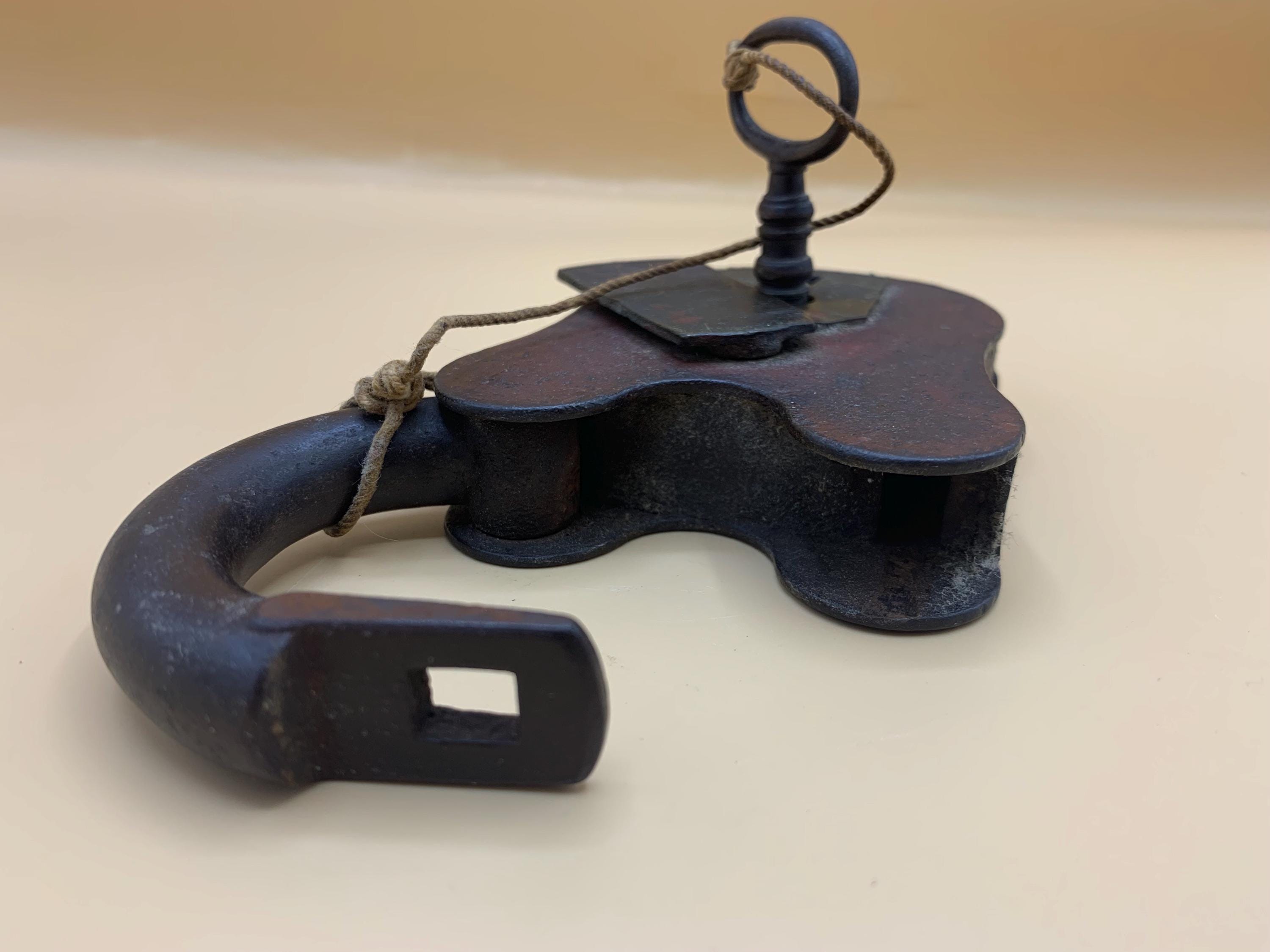
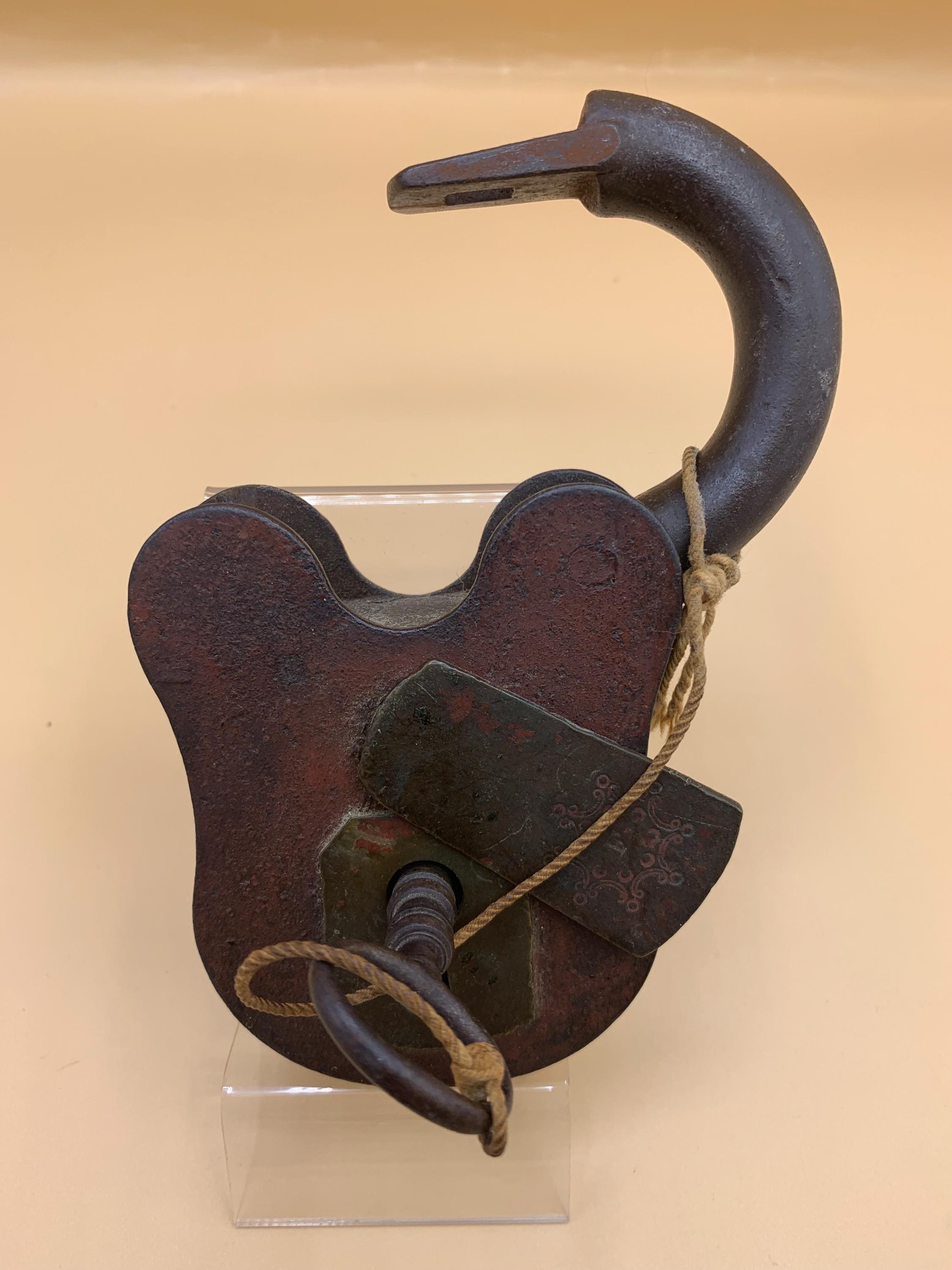
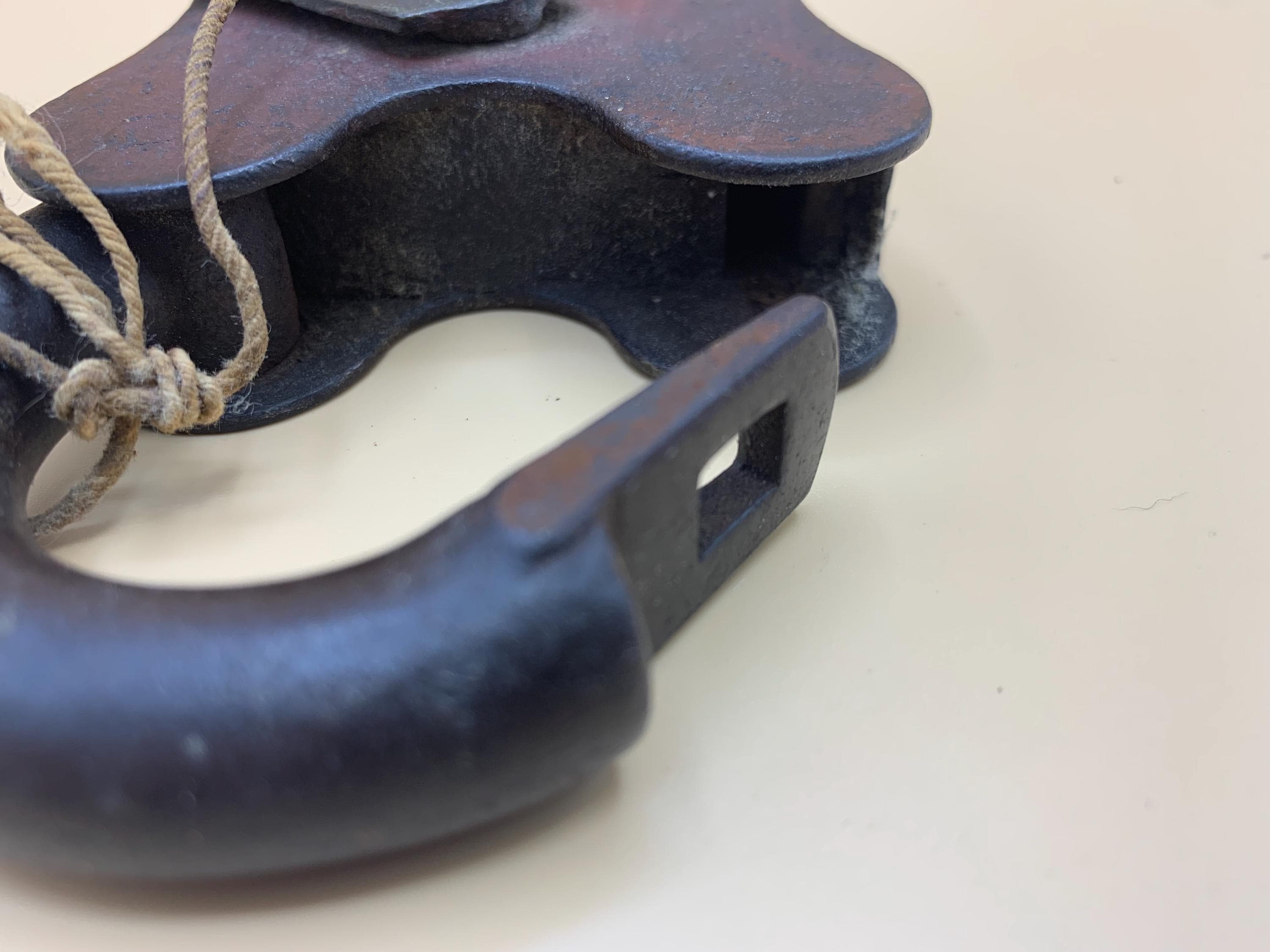
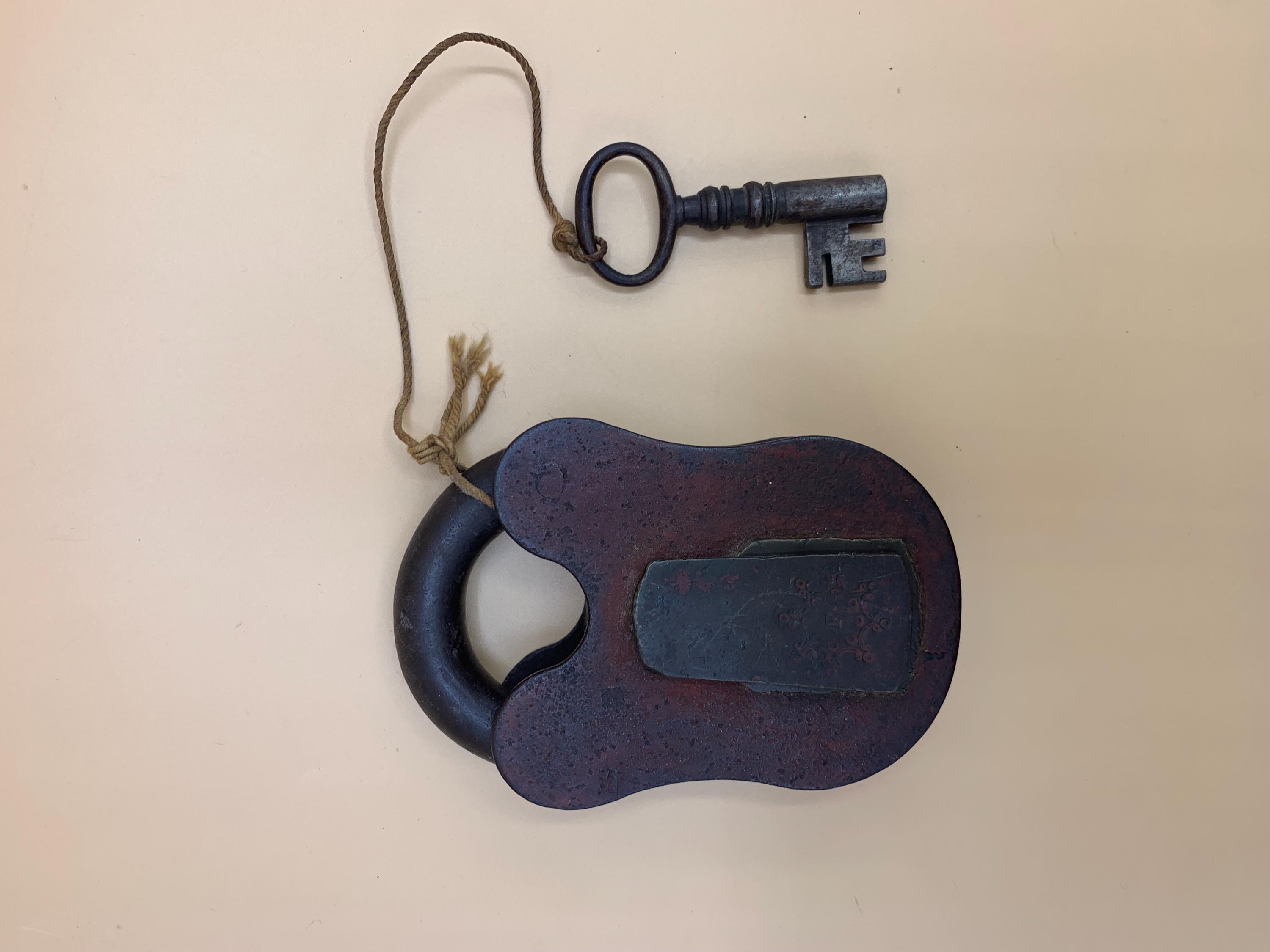
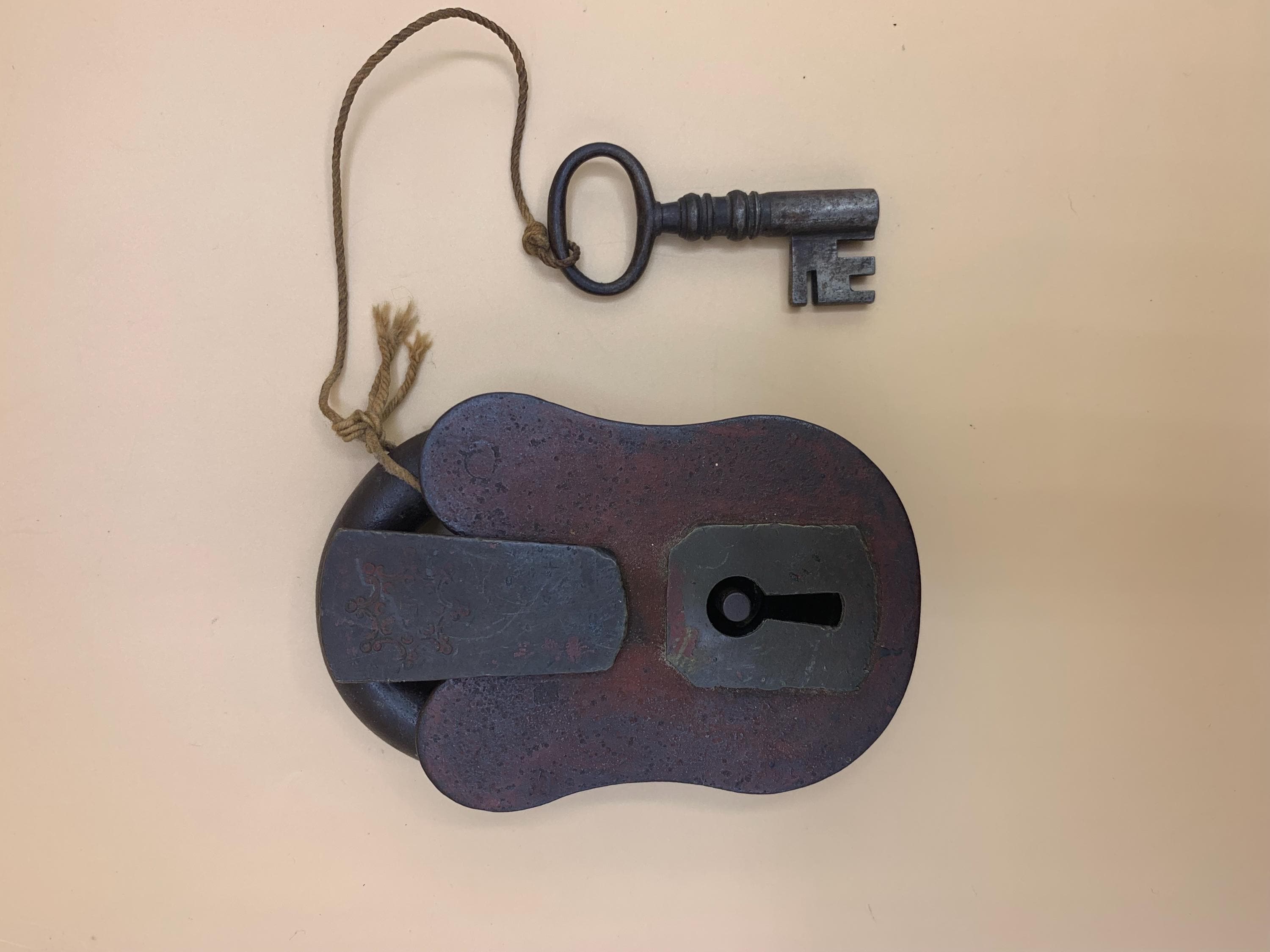
1880s Pennsylvania Railroad Warded Padlock-made by E. Fraim Lock Company, PA
$150.00
-
DetailsMADE IN USA AND NOT A REPRODUCTION
Manufacturer: E.T. Fraim Lock Company
Circa: 1879-1891
Where Made: Lancaster, Pennsylvania-USA
Custom-Made For: Pennsylvania Railroad (PRR) in Harrisburg, Pennsylvania for George Brooke Roberts (President of PRR)
Materials: Iron Wrought and Brass from Pennsylvania (Maximum Durability)
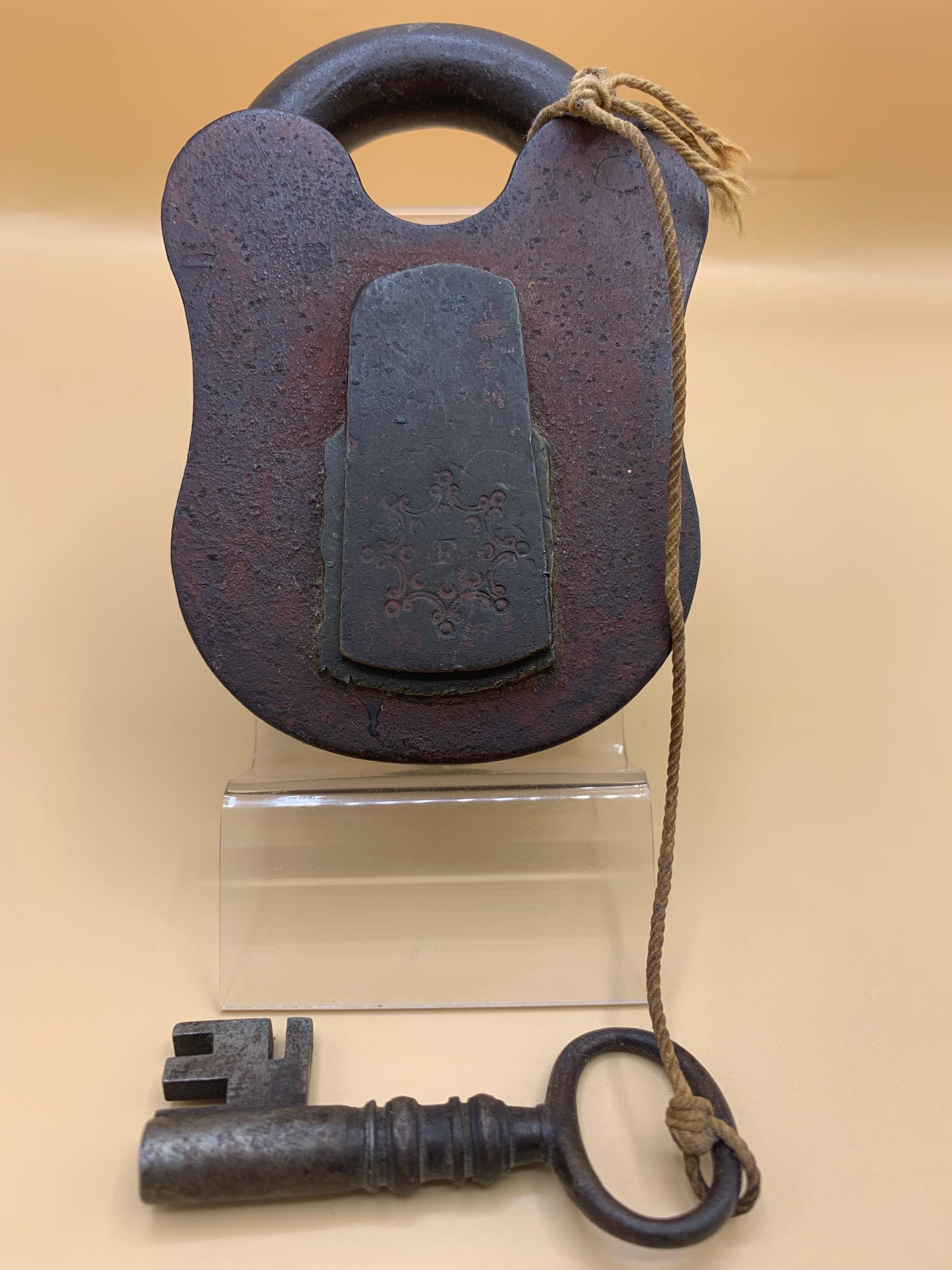
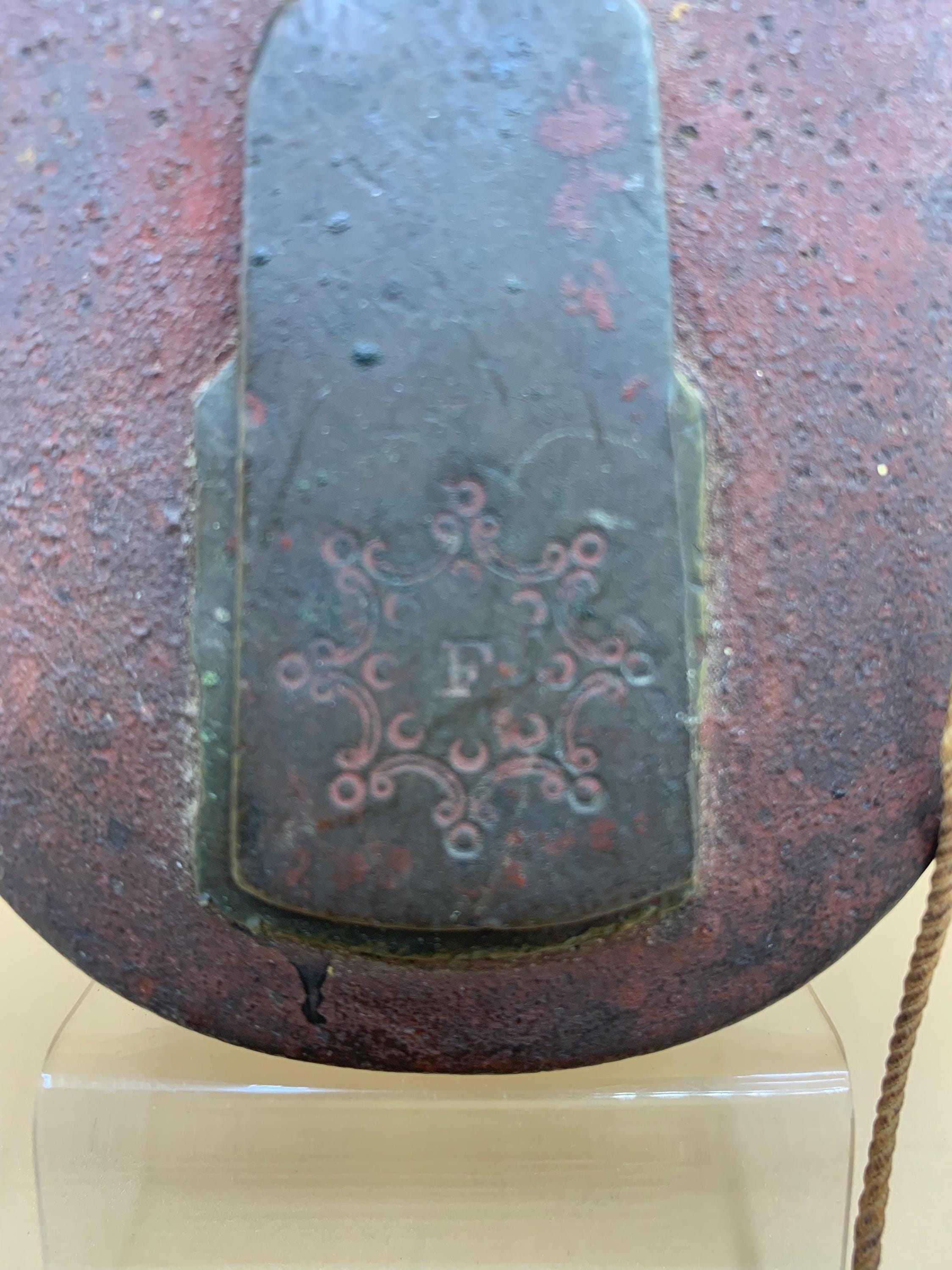
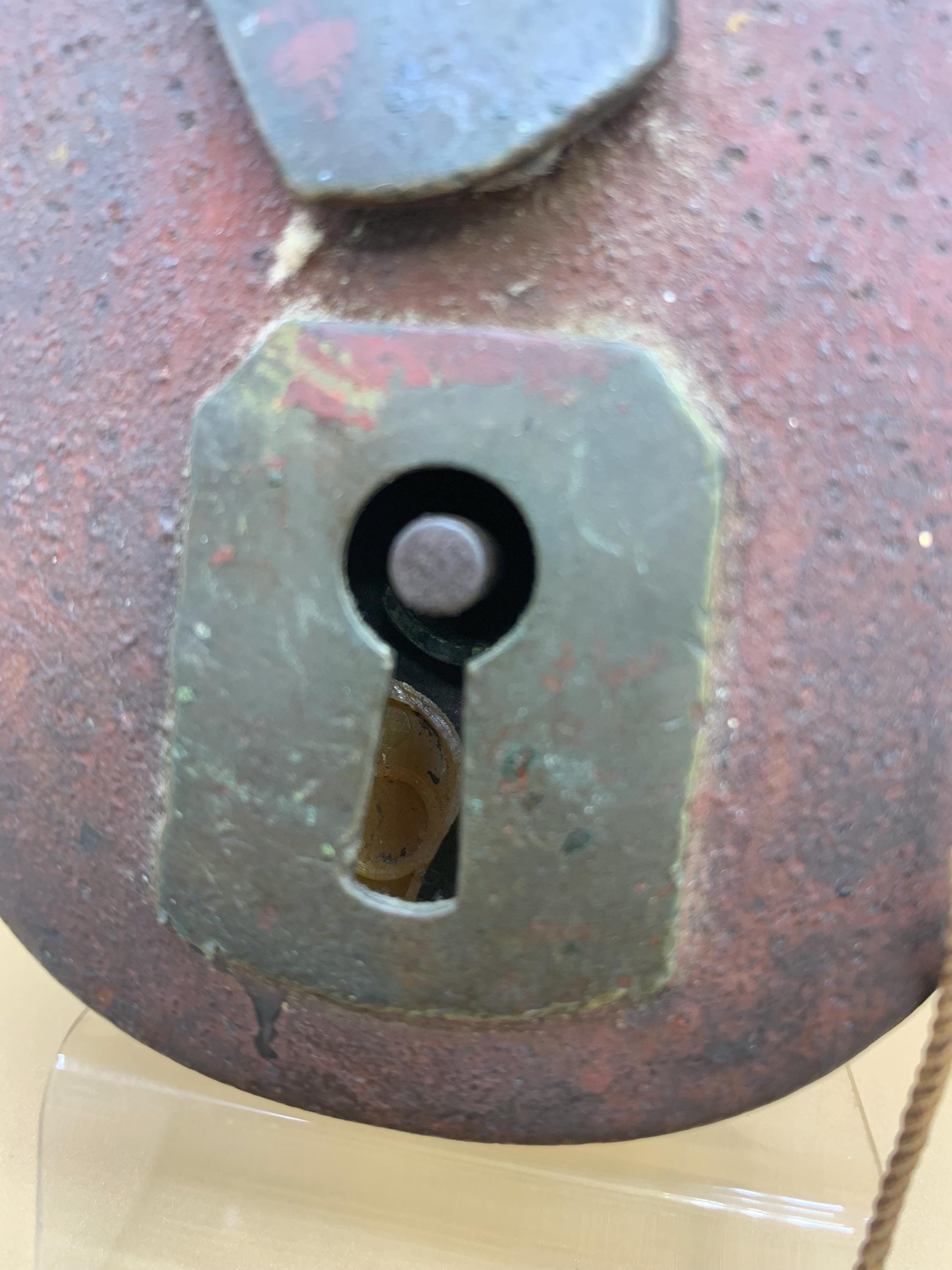
Original Color/Protective Coat: Railroad Red- American Railroad companies would have their safety and security padlocks painted red when made. This was the method used to help railroad workers to locate the “switch car” boxes and other locked equipment. It also acted as a distinctive feature for identifying the locks if stolen for Warded locks with skeleton keys were easy to “pick open”. Sort of like Mid-20th handcuffs when used comparable keys.
Condition: Original Patina and Fully Functional
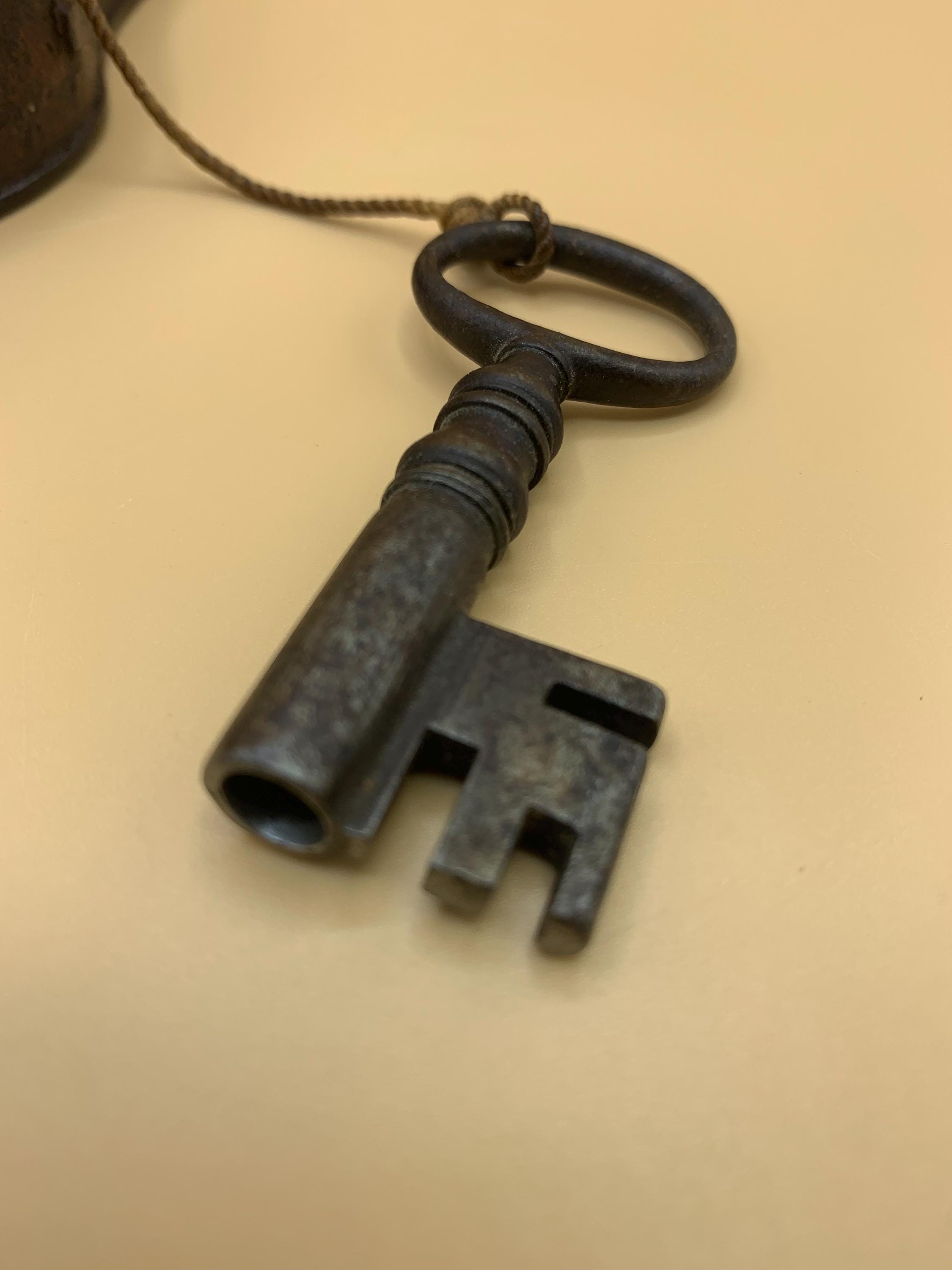
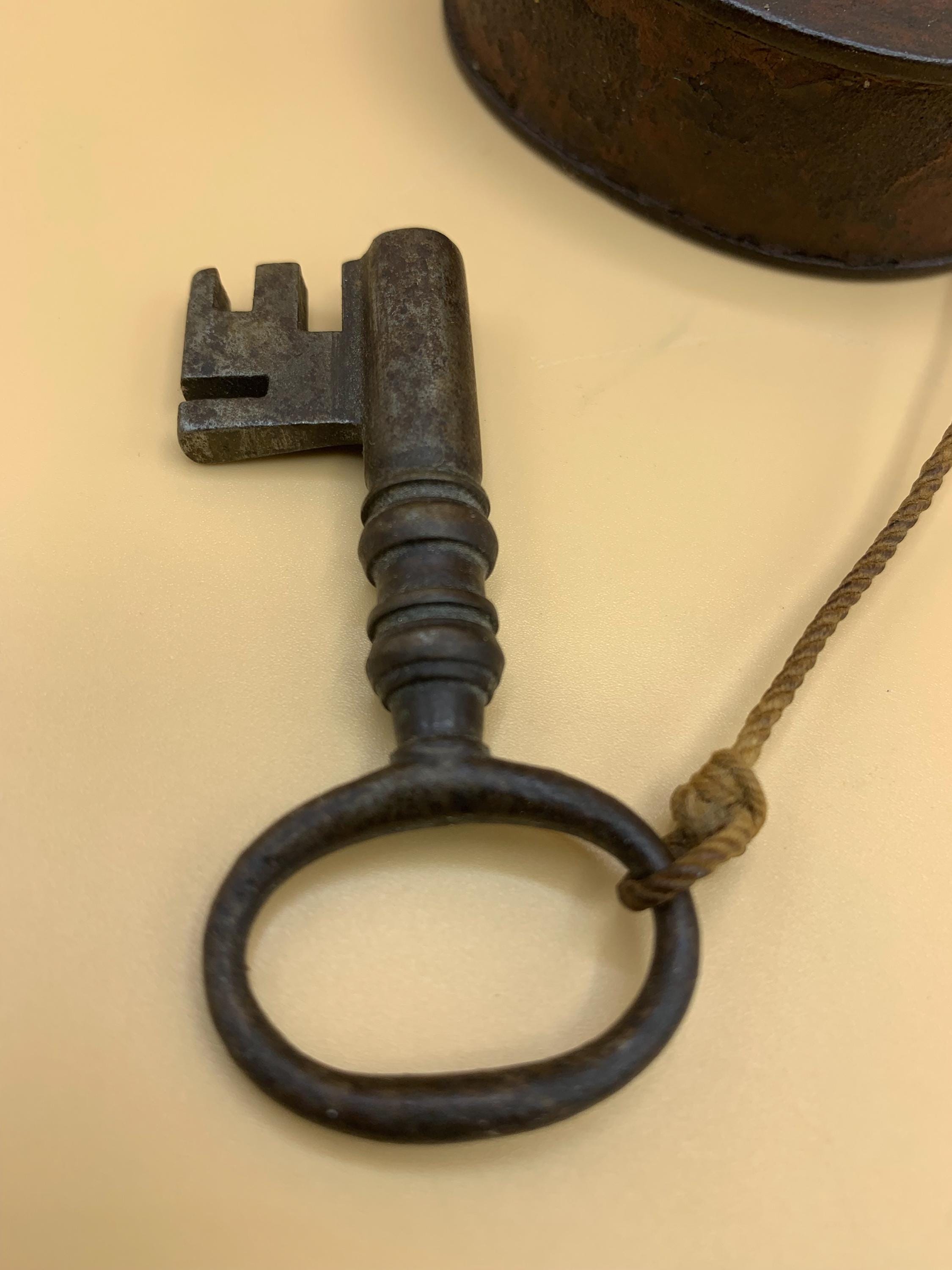
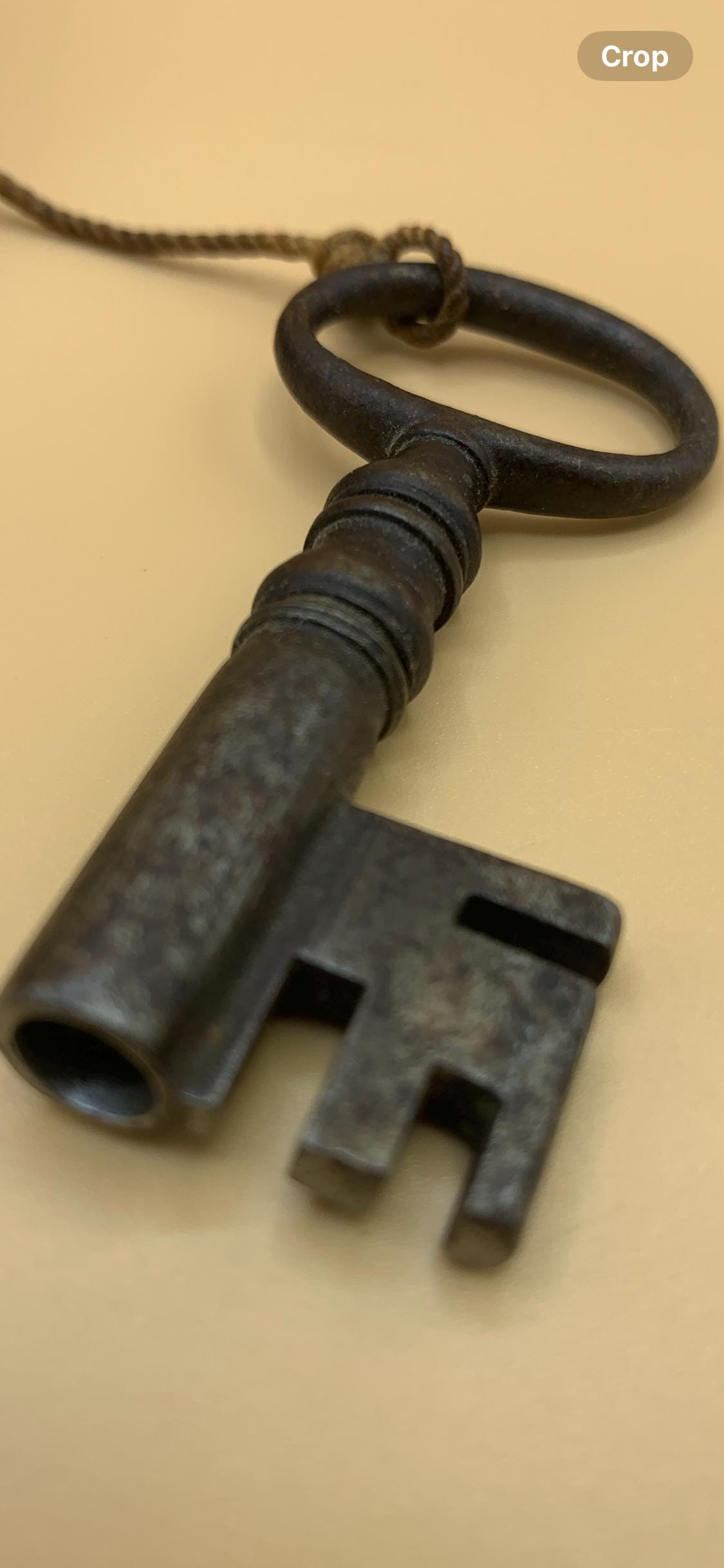
Key Type: Master Skeleton-
The key functions by bypassing internal obstructions, or wards.
Skeleton keys have a hollow barrel, a large circular bow (handle), and a bit part that engages the lock mechanism. The name "skeleton" comes from the key being stripped down to its essential parts needed to operate the lock, not from its appearance. (2.75” on roped twine)
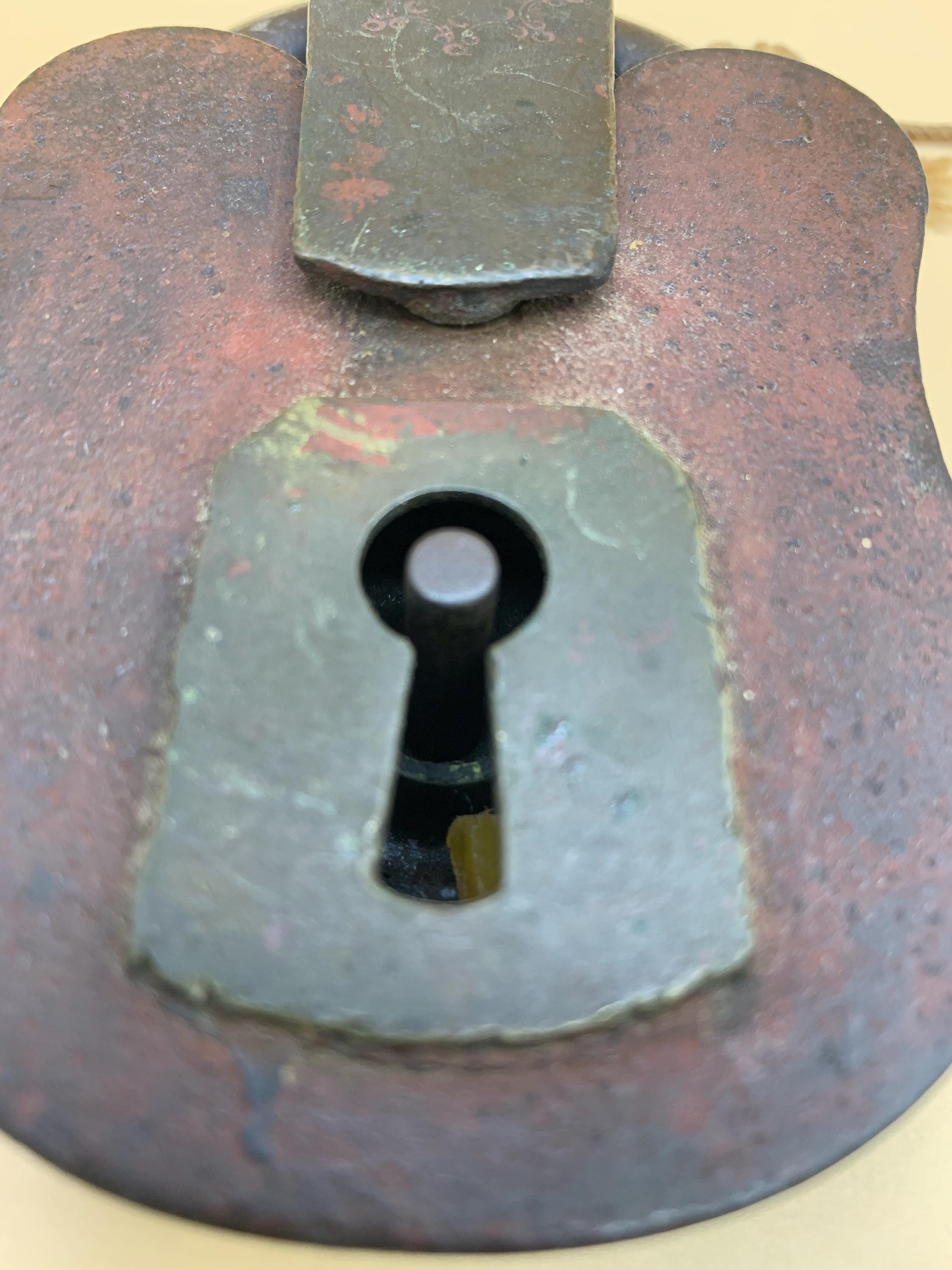
Features and Benefits: Brass keyhole escutcheon (brass plate) and gate (cover) to protect the internal mechanism and wards. Made of brass for corrosion resistance. The railroad locks were exposed to elements, and if corrosion free or easy to file the escutcheon and gate maintained a smooth action.
Security Features: Custom etched pattern specifically for Pennsylvania Railroad.
Intricate embossed or stamped details made locks harder to fake as well as indicating a custom quality lock. In the 1880s, this technique allowed a certain layer of security against theft or unauthorized access to valuable boxcar cargo and engineering equipment on industrial sites. Another major need for Railroad padlocks was to reduce the tampering of track switches controls that could cause catastrophic accidents.
Measures: 3” X 4.5” X 15/16”
Weighs: 1 pound 8 ounces
Design: Warded Lock (late 19th Century)
A warded lock is an ancient, simple lock with internal metal barriers (wards) that block most keys, but the correct key has notches cut to let it spin freely and operate the latch, like a maze for the key. In simple terms, imagine a door with decorative metal shapes inside; only a key with the exact matching holes cut out can pass through those shapes to turn and open the door, while any other key would get jammed by the obstacles. If know the location of wards inside lock you could manipulate and open.
*BIO-LISTING*
After the Civil War and Reconstruction Era, the Second Industrial Revolution (Gilded Age) began in the American East. Iron Ore discoveries in Pennsylvania led to the creation of iron mining everything from raw “pig iron” ingots (50 pounds) for anyone to smelt for ironworks to Iron beams for railroad tracks and skyscraper construction in places like New York, Chicago, St. Louis, Detroit and Pittsburgh which then was known as “STEEL CITY “. The iron materials needed to be transported by train all across the country from Pennsylvania to various locations.
In the 1870s, Pennsylvania Railroad or PRR, expanded their infrastructure to become a U.S. transportation giant, connecting Philadelphia to Pittsburgh and expanding west to Chicago and St. Louis, becoming the "Standard Railroad of the World" known for innovation like the Horseshoe Curve and its massive East Coast network, carrying coal, iron, and passengers.
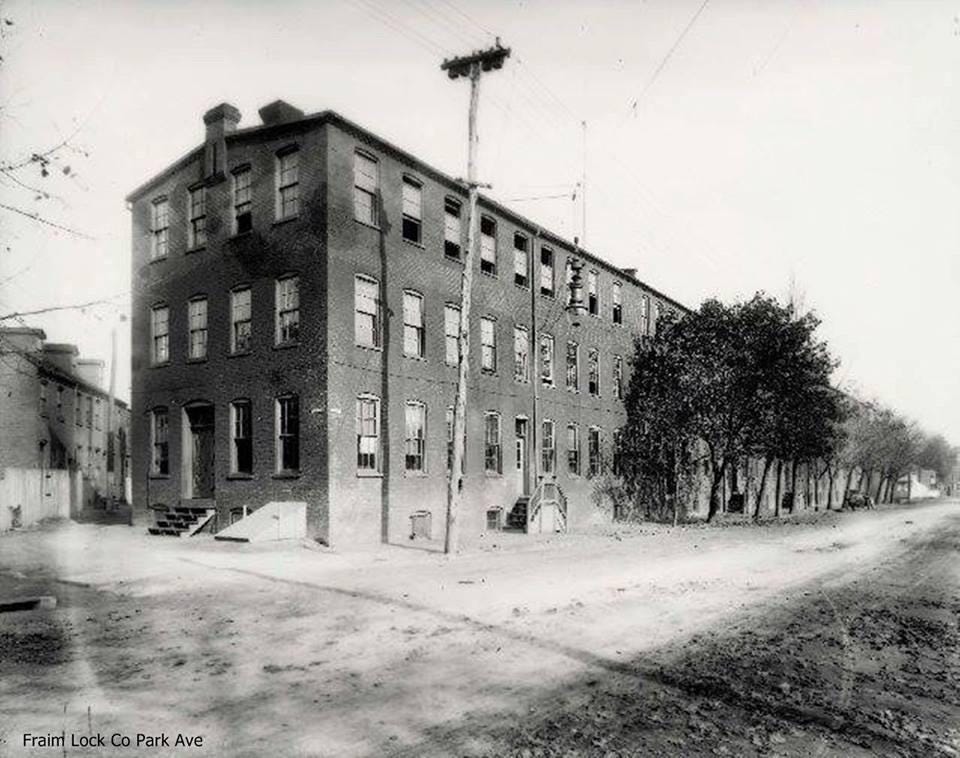
By 1879, PRR would need large quantities of padlocks and commissioned Keystone Lock in nearby Lancaster, PA to manufacture custom ward locks for their crews.
The locksmith family of Edward T. Fraim, Parker K. Fraim and Miller W. Fraim, where known as the Fraim Brothers and opened Keystone Lock. Shortly after being commissioned, the brothers changed the name to E.T. Fraim Lock Company after founding member Edward Theodore Fraim (F)
About 1890 Parker and Miller left the company and formed Lancaster Silver Company. E.T.'s sons Walter and Samuel entered into business with their father and took over the original business when E.T. Fraim died on May 2, 1917. Then in 1920 Samuel bought out Walter. Within a year Walter purchased an interest in Slaymaker Lock, thus forming Fraim-Slaymaker Lock Company (F-S). The warded locks and skeleton keys fell out of favor during the great depression and iron was reserved for war efforts during World War II. By 1950, ward locks were replaced by better and more secure pin-tumbler locks that used flat shearline match keys. In 1955 the Keystone Lock Company was acquired by Safe Hardware and Lock Company in York, Pennsylvania. In 1986 the Slaymaker division of Fraim closed the original Keystone Lock Company operations in Lancaster, Pennsylvania. Many warded locks were mostly recycled after their “design flaws” were exposed that led to new locking innovations making warded operational locks with the skeleton key very rare and difficult to find. MemoryLaneVintiques picked this item at an estate sale in Grapevine, TX.
FUN FACT:
Houdini, born Erik Weisz, apprenticed as a locksmith in his youth, which gave him an intimate understanding of lock mechanisms.
He became known as "The Handcuff King" and built his career around his astonishing ability to free himself from jails, chains, ropes, and a variety of restraints and locked containers devised by the public or law enforcement. His act often involved escaping while hanging from a rope or from a water-filled milk can, thrilling audiences with the apparent danger. Harry’s preferred locks for his “magical” escape acts……the warded locks.
MemoryLaneVintiques sanitizes all glassware, jewelry, resin made, wooden and glazed pottery before packing for shipment....100% Guaranteed!
ETSY INTELLECTUAL PROPERTY POLICY
As a venue for artists, designers, and makers, Etsy takes intellectual property rights very seriously. We comply with intellectual property laws and industry best practices in order to maintain the integrity of our creative marketplace. This Intellectual Property Policy explains how we address allegations of infringement, how authorized parties can submit reports of infringement regarding content on our marketplace, and how Etsy sellers can respond when their listings or shops are affected by a report.
ANY COPY AND PASTING OR PLAGIARIZING OF MATERIAL
ON MEMORYLANEVINTIQUES IS SUBJECT TO ETSY INVESTIGATION AND PENALTIES!
MemoryLaneVintiques research also protect our shop from Intellectual Property Theft by researching for violators of our material. Be respectful!
Chad & Jennifer Johnston (August 2024)
MemoryLaneVintiques uses artificial lighting in the photos of items.
Stand in photo not included with purchase.
Related Products