Woodworks
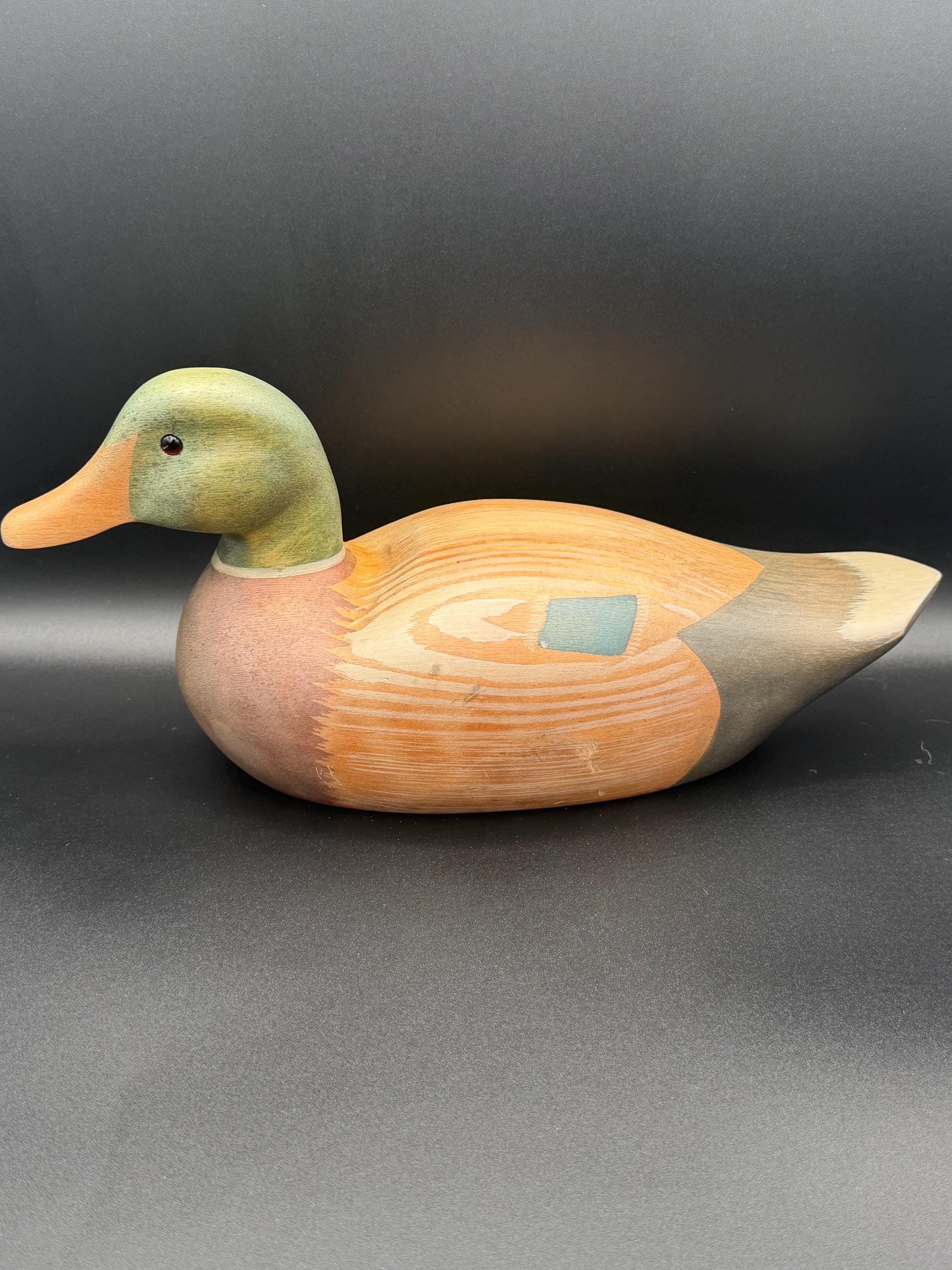
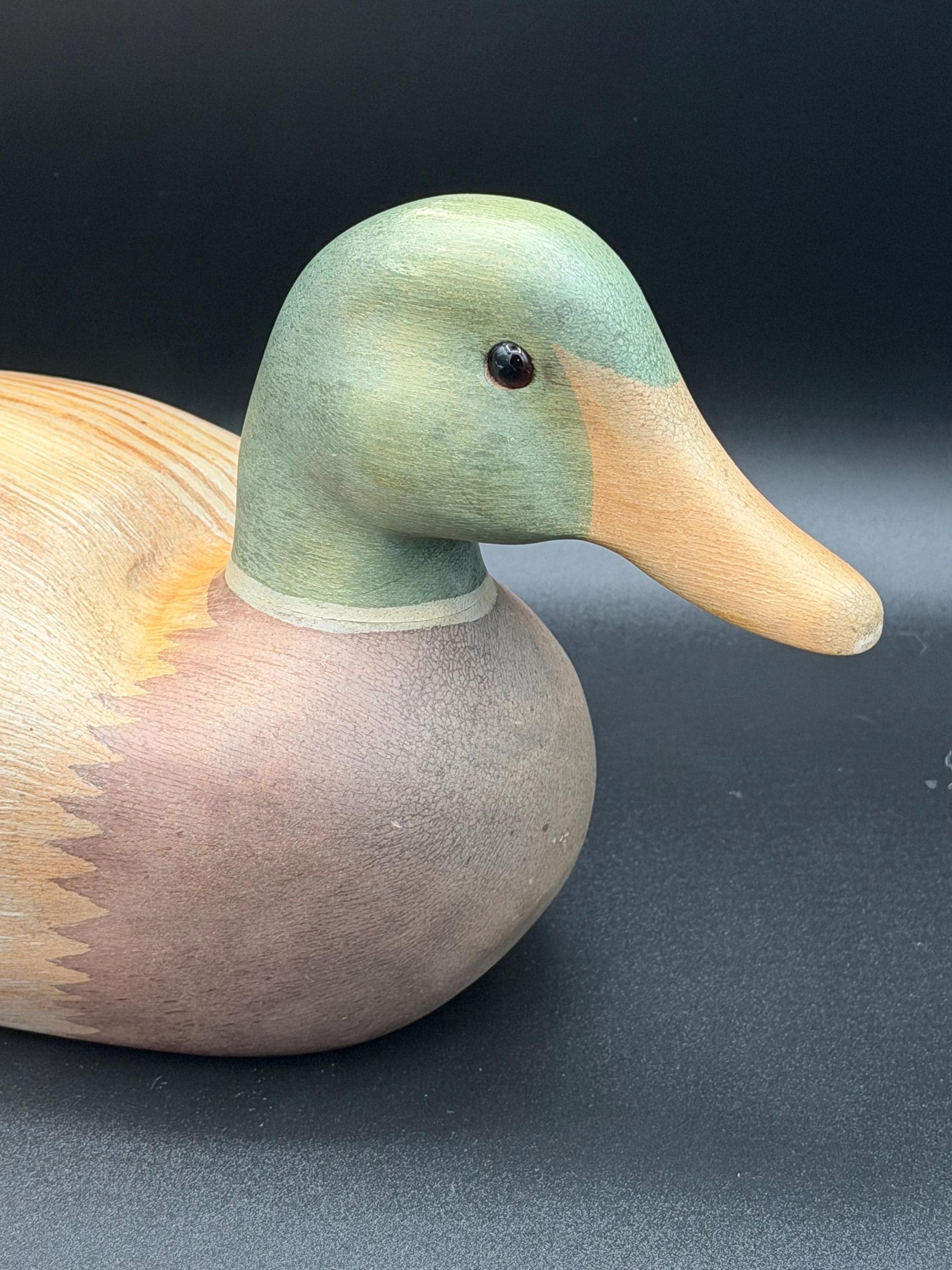
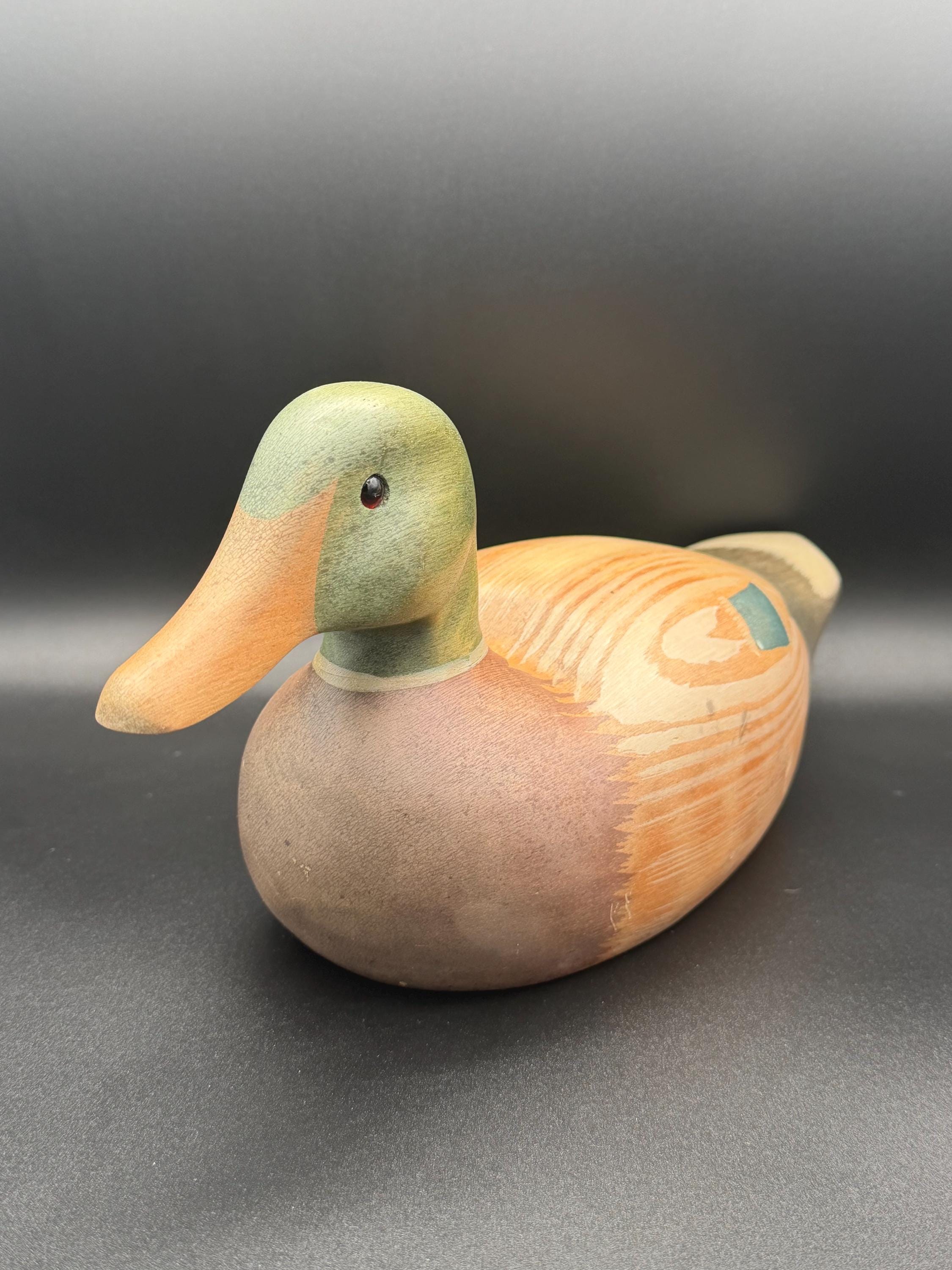
1990s Pinewood Decorative Duck Decoy-Mallard
$65.00
-
DetailsTHIS ITEM IS NOT A "GUNNING" DUCK DECOY (weighs over 12 ounces) AND SHOULD NOT BE USED IN WATER!!!
The actual term "decoy duck" or vice versa, originally referred to wooden ducks carved and painted to lure live waterfowl for hunting, the same craftsmanship evolved into an art form. Over time, many carvers shifted focus from functional hunting decoys to aesthetic display pieces. These decorative versions may still be carved with great detail and realism, but they are not intended to attract birds. Like this vintage folk art carving, they are valued as waterfowl artwork, collectibles, or home décor for cabins or a lake house needing the warm feeling environment that only wood can provide.
American wooden duck decoys actually begin in the Colonial Era when early settlers adopted the technique from Native Americans to lure types of East Coast waterfowl. The "Golden Age" of American duck decoys began in the 1860s when specialized carving communities emerged in Chesapeake Bay, Delaware River, Illinois River, and other New England regions. Eastern White Pine and Longleaf Pine was the premier wood of choice for duck decoy carving and shaping. Pinewood is a softwood, making it gentle on hand tools and easy to cut, shape, and sand. This is especially useful for decoys, which often require hollowing to achieve the right waterline. For a decoy to float well, the wood should be light and low-density, and pinewood offers a good balance of lightness and strength, making it easier to hollow without sacrificing structural integrity. For a pinewood decoy to achieve buoyancy, the final weight determines what water environment it is best suited for during a hunt. For example, 4-ounce decoys are sufficient for still waters such as a pond. For a "moderate current" about 6-8 ounces with most "stronger currents" needing larger decoys weighing between 8-12 ounces.
Until 1918, duck hunting was unregulated and massive duck decoy rigs and 'punt guns" were used everywhere to elevate duck kills to meet demand. This rapidly led to extinction level for various waterfowl, so the US government passed a Treaty Act in 1918.
The Migratory Bird Treaty Act (MBTA) of 1918 was enacted to give legal force to the 1916 U.S.–Great Britain (for Canada) Convention for the Protection of Migratory Birds, which aimed to stop the near-extinction of many bird species due to unregulated hunting and feather trade.
At the time, species such as the Snowy Egret were hunted almost to extinction for their delicate plumes, and other birds were killed for sport or commercial use. The MBTA made it unlawful to pursue, hunt, take, capture, kill, sell, or transport nearly 1,100 species of migratory birds, along with their parts, nests, and eggs, without a permit from the U.S. Fish and Wildlife Service.
Duck decoy demand went down by 60% by the 1920s, but regained popularity when "live decoys" were outlawed.
Post-WWII saw wooden duck decoys transition into cheaper and lighter materials like rubber, plastic and cork that proved to be more durable. By the 1970s, wooden duck decoys were obsolete as a "working tool" of a sportsman and more a form of decoration, nostalgia or even artistic expression.
There must be thousands of wooden decorative decoys made every year in different poses, colors, and sizes with each one being unique...even mass production can display quality craftmanship if produced from pinewood.
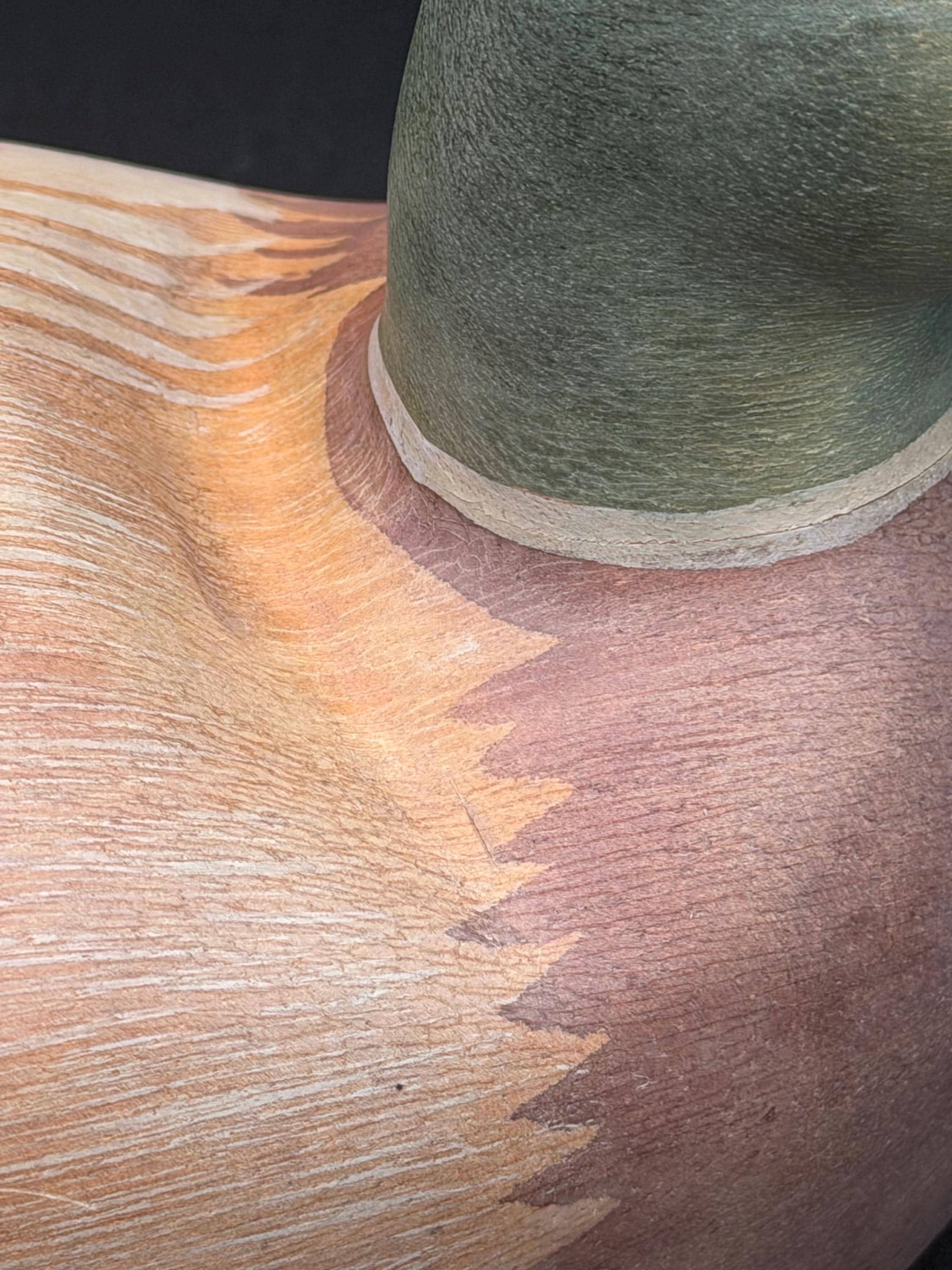
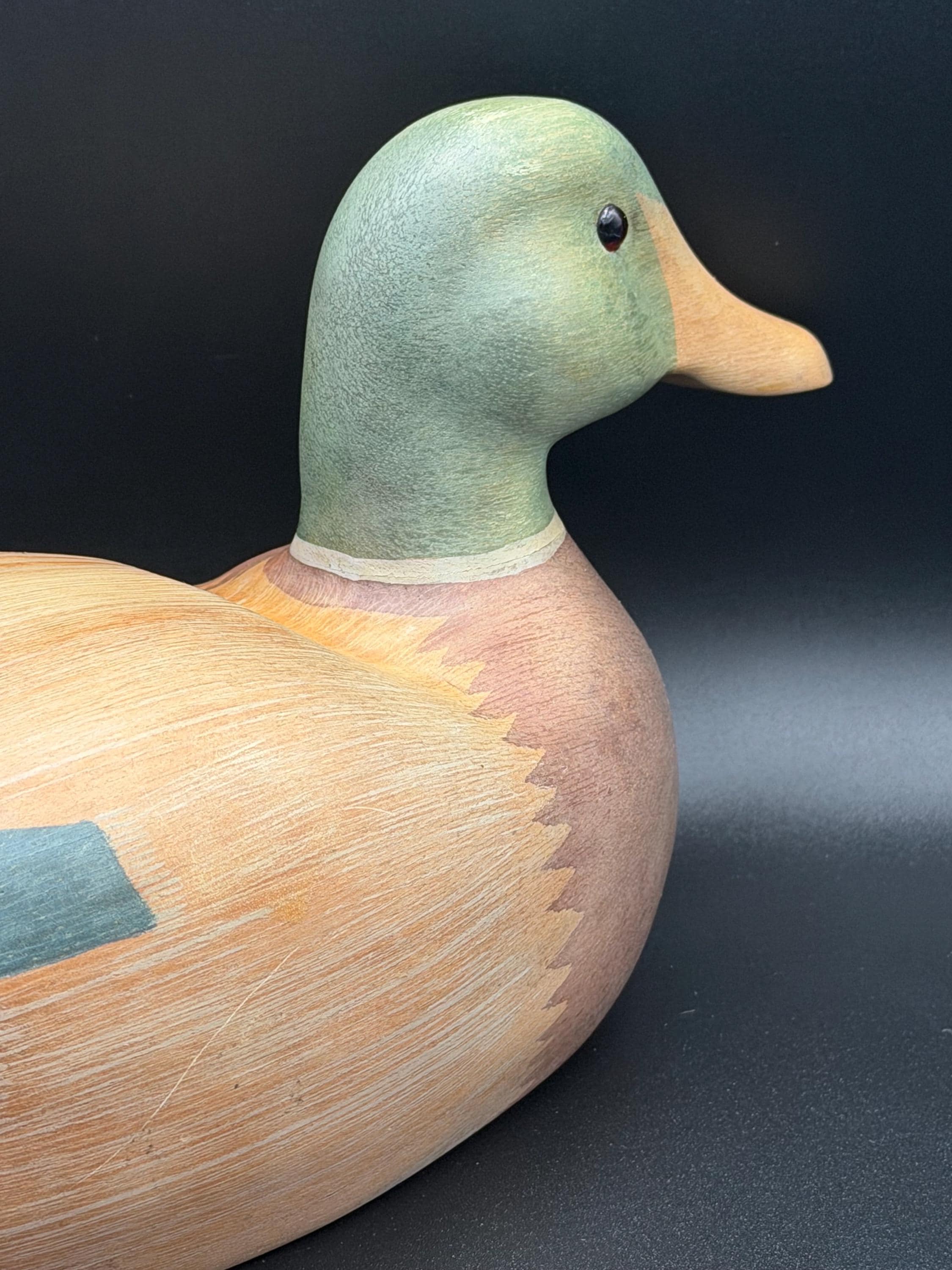
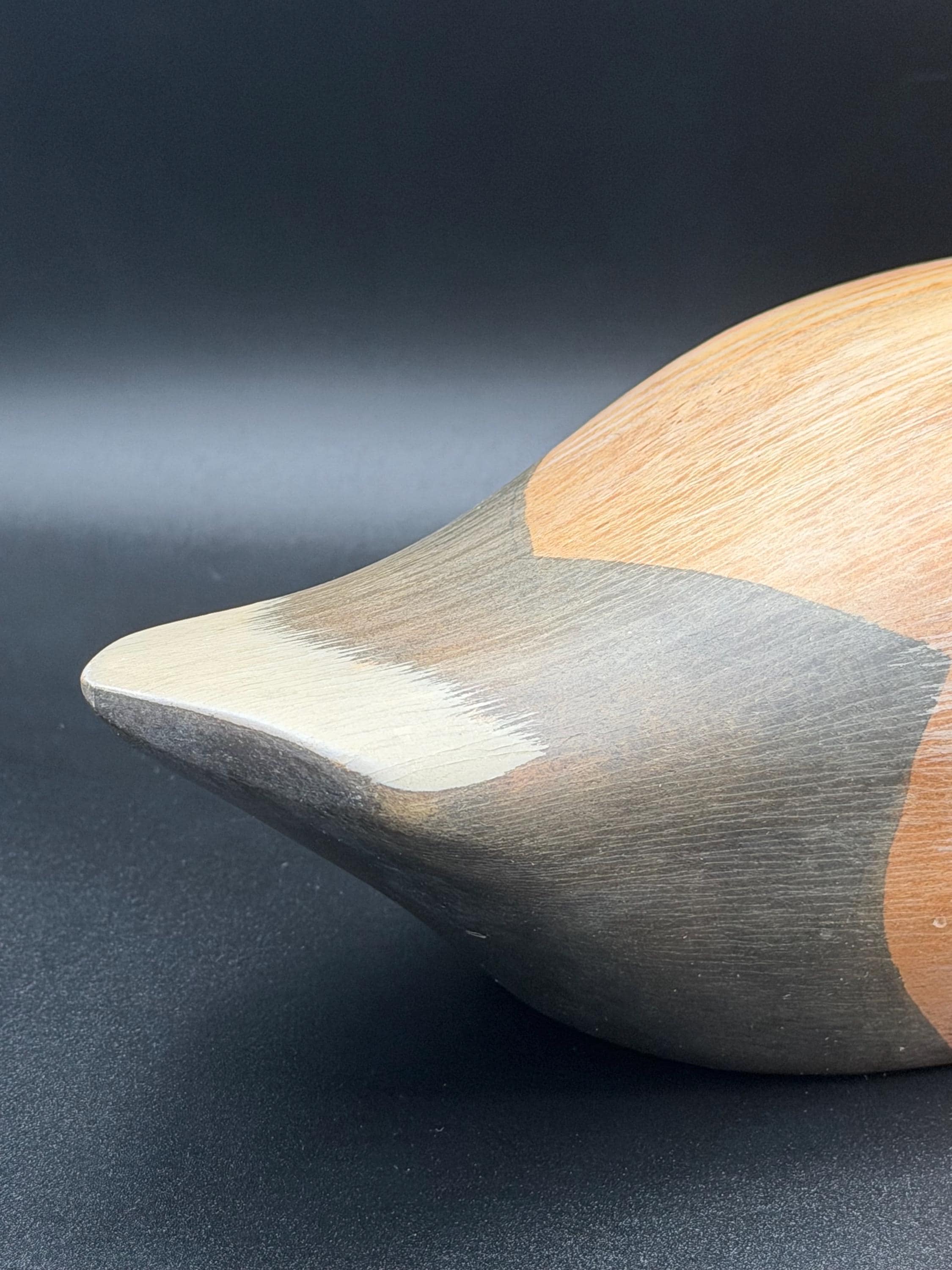
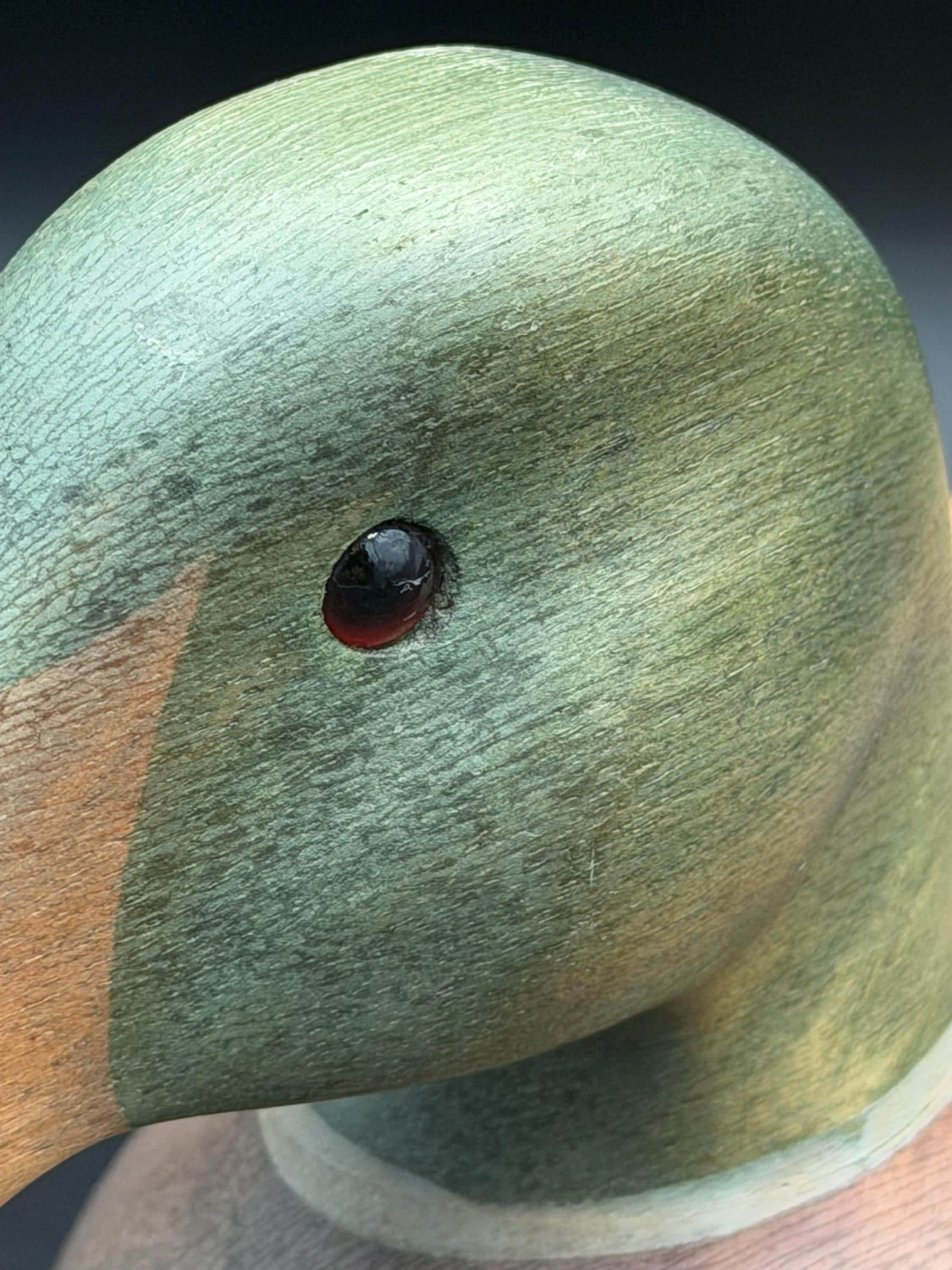
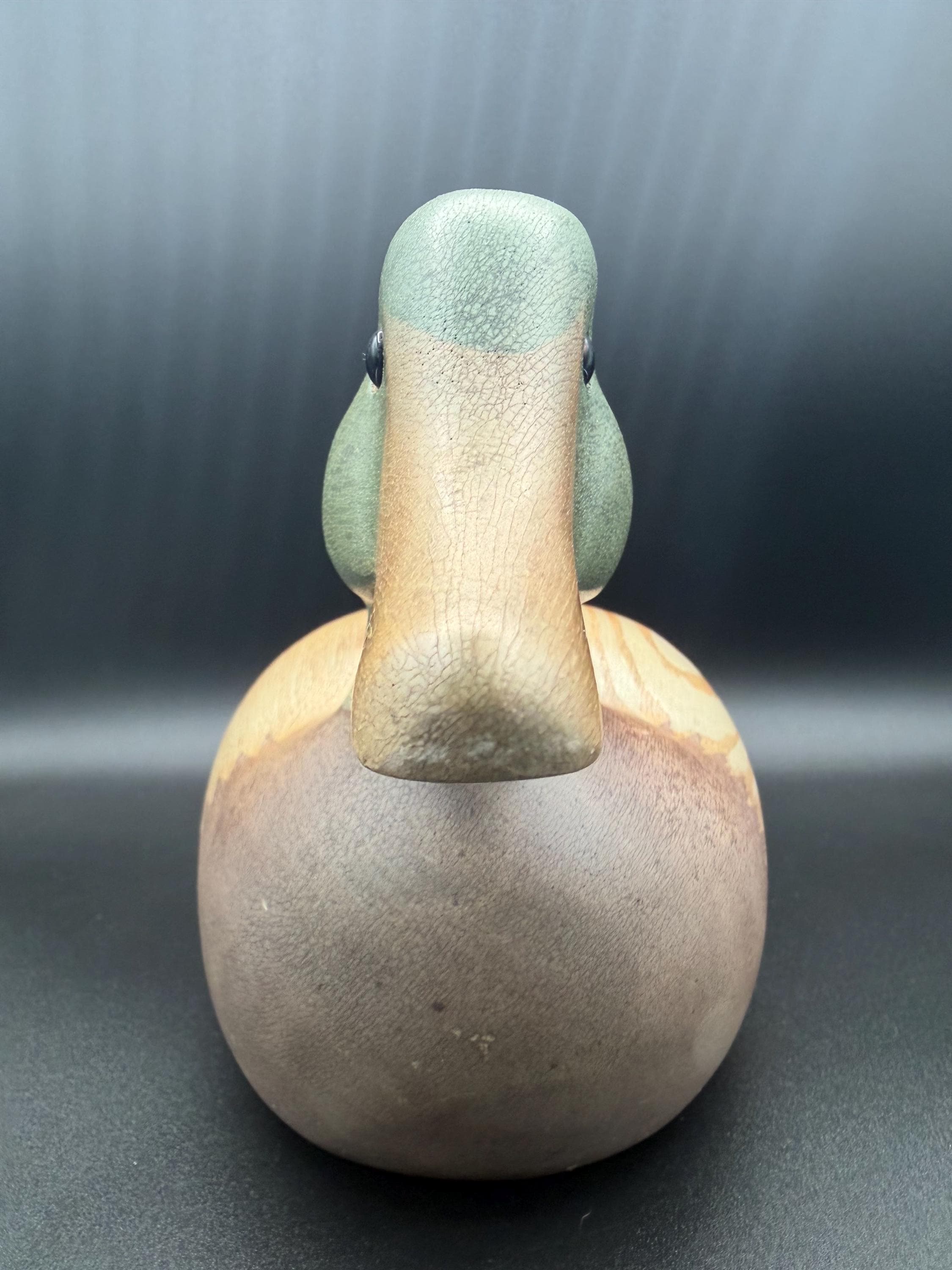
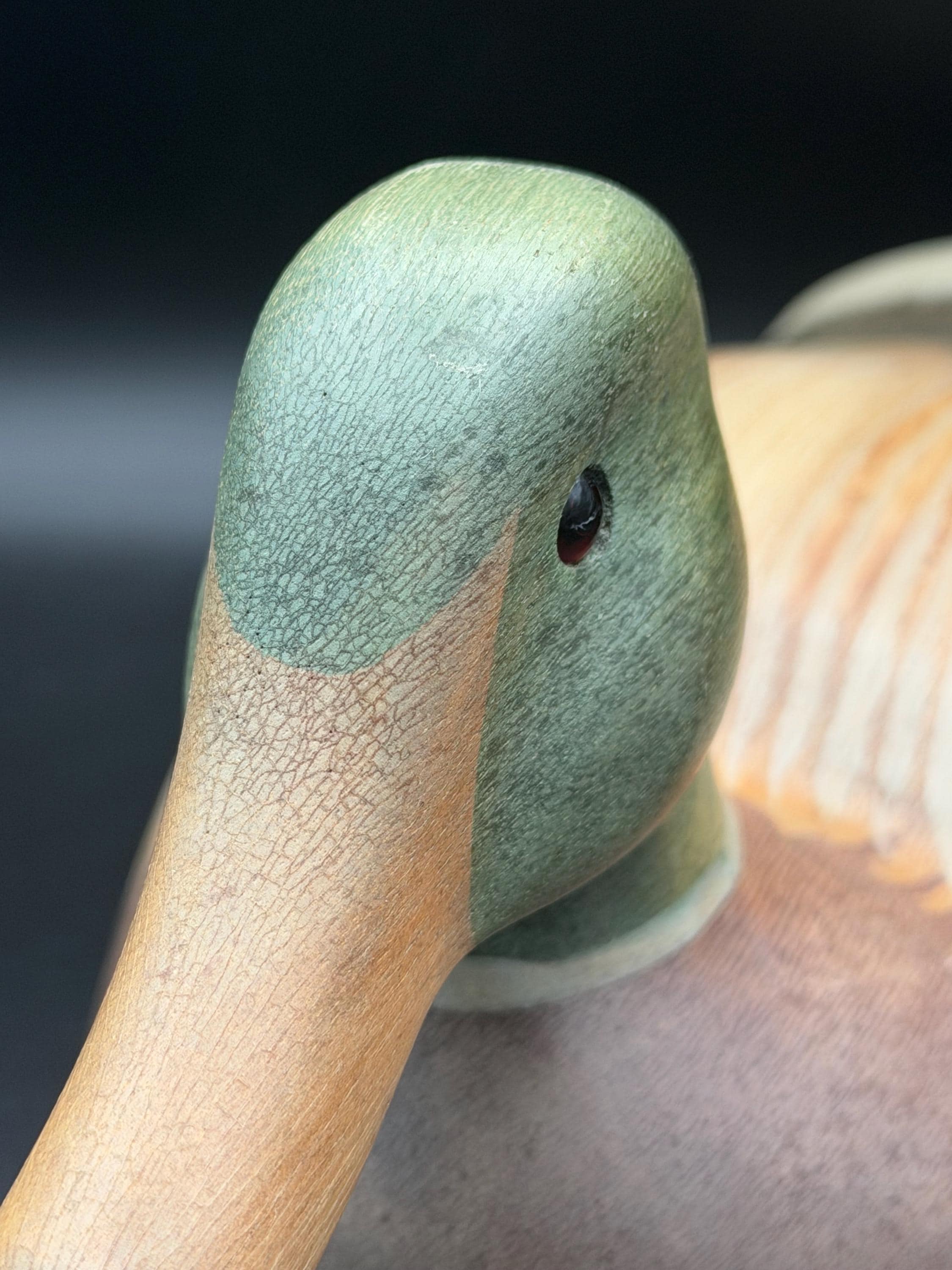
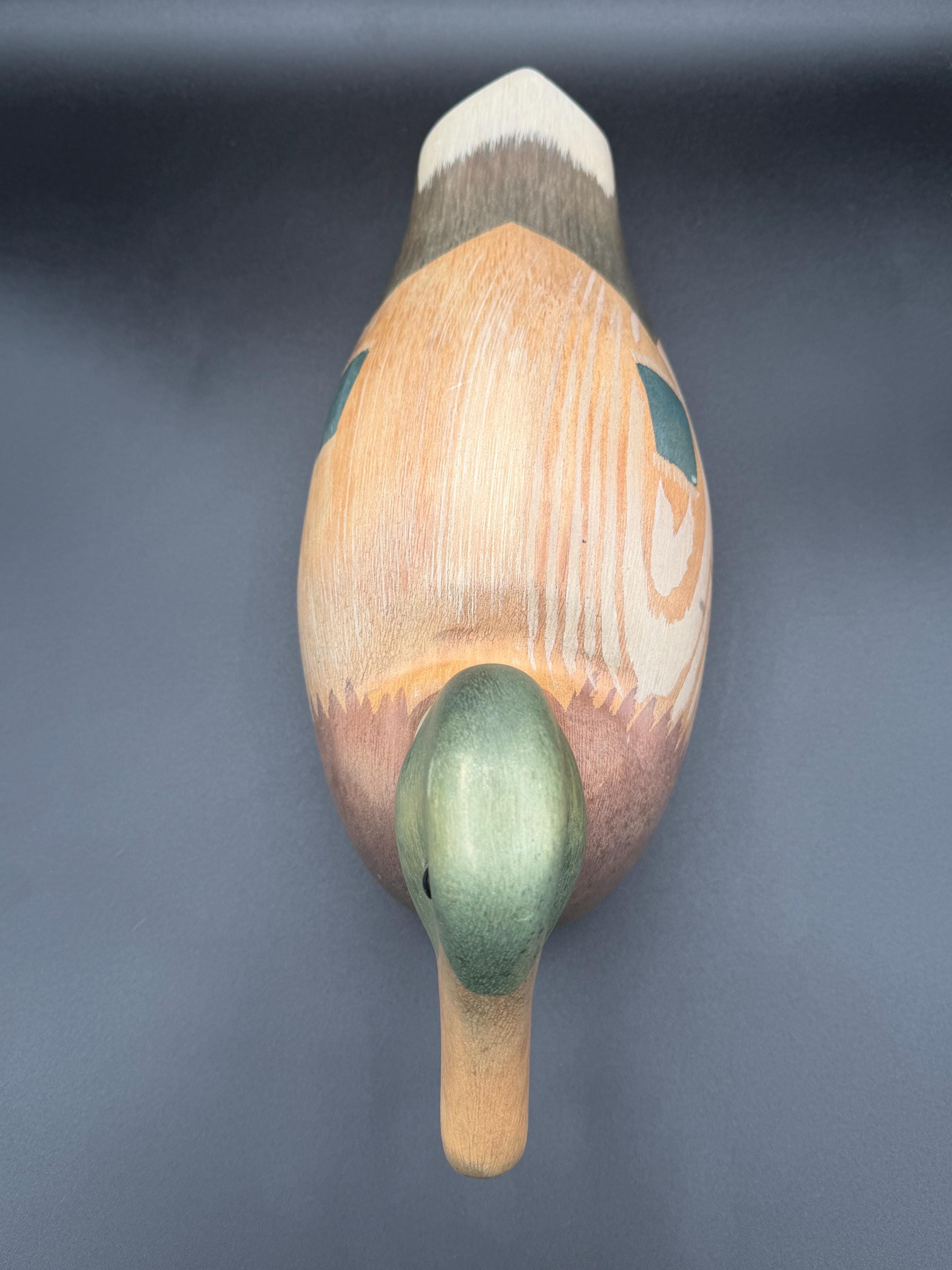
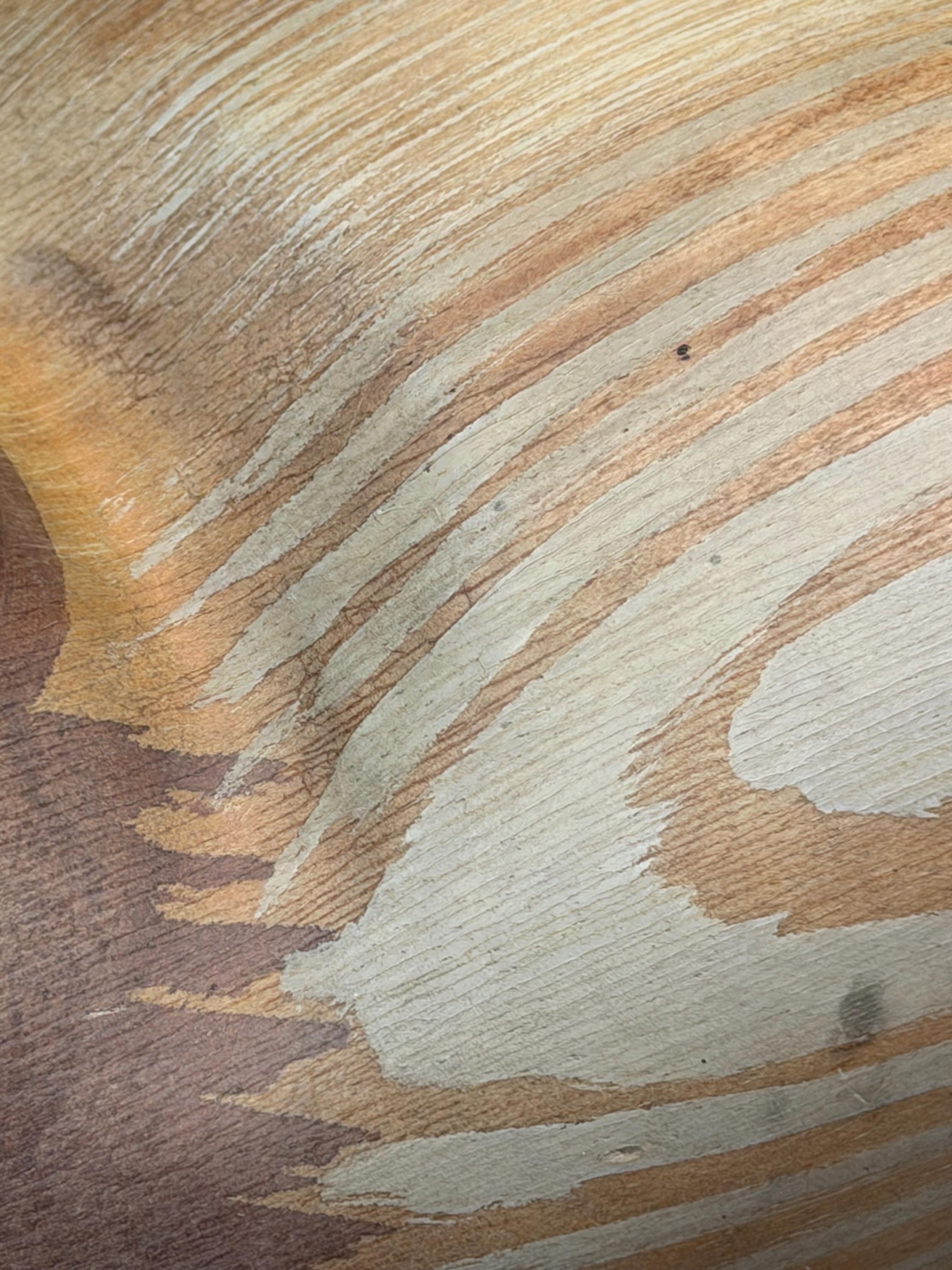
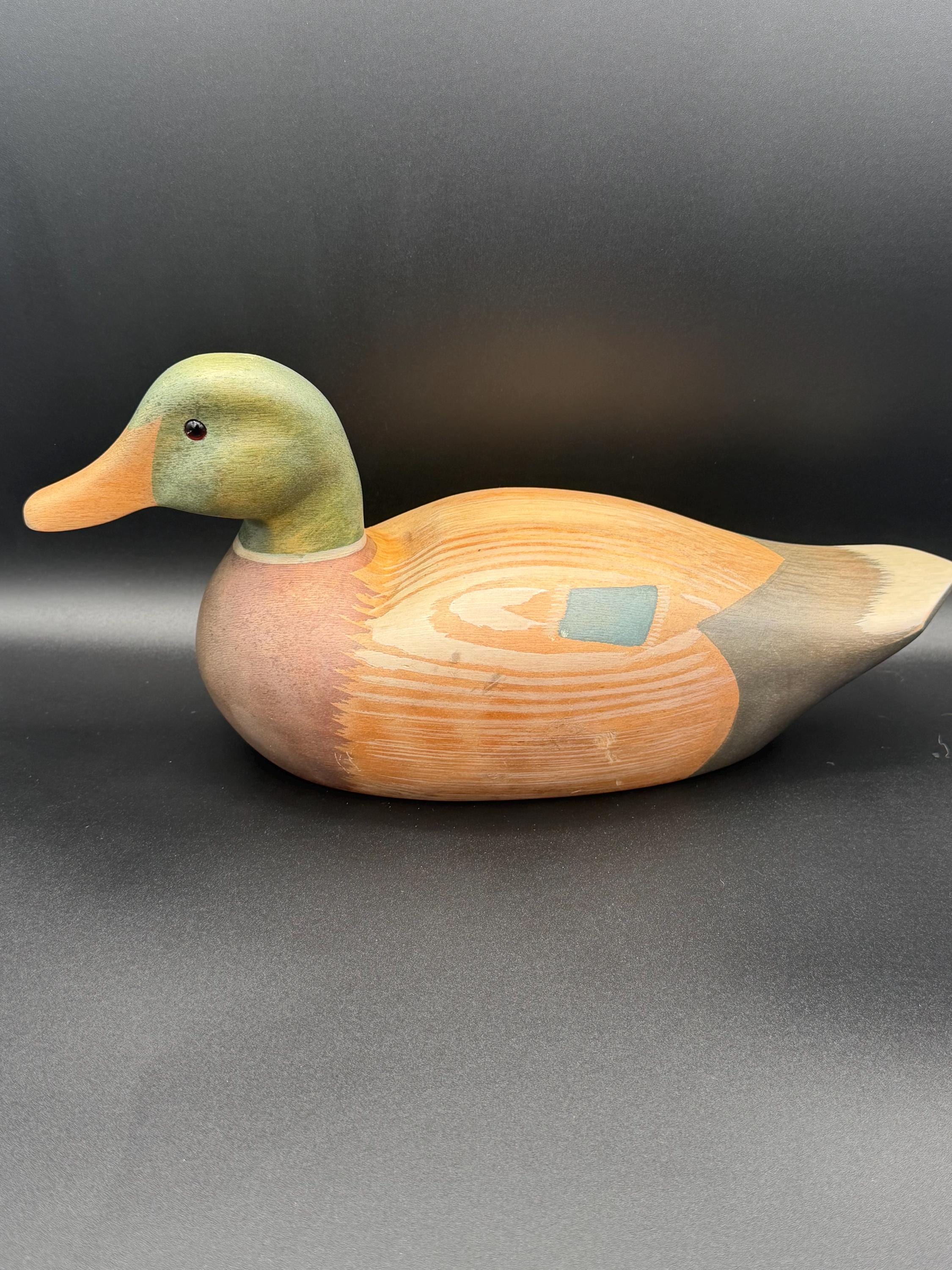
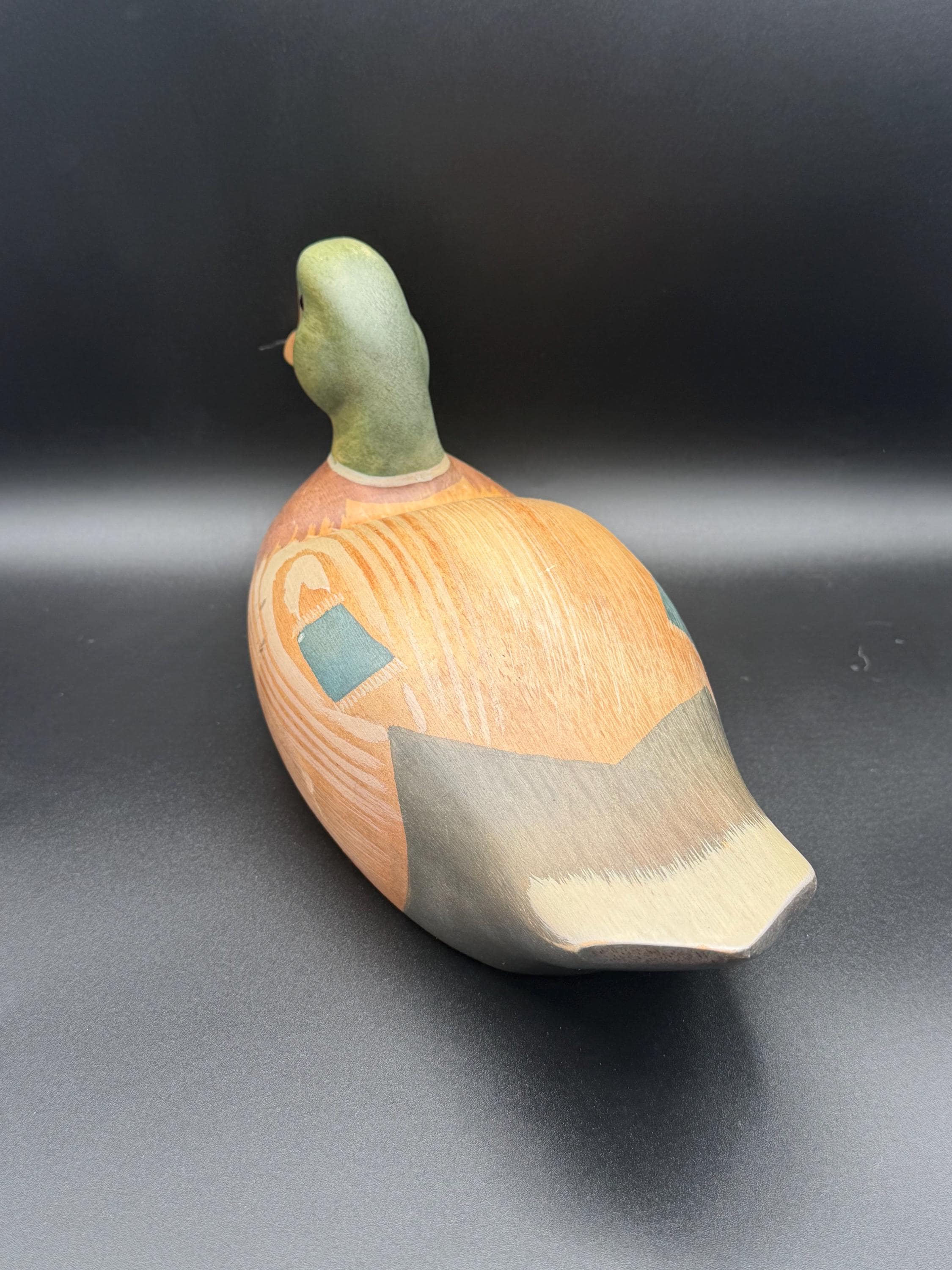
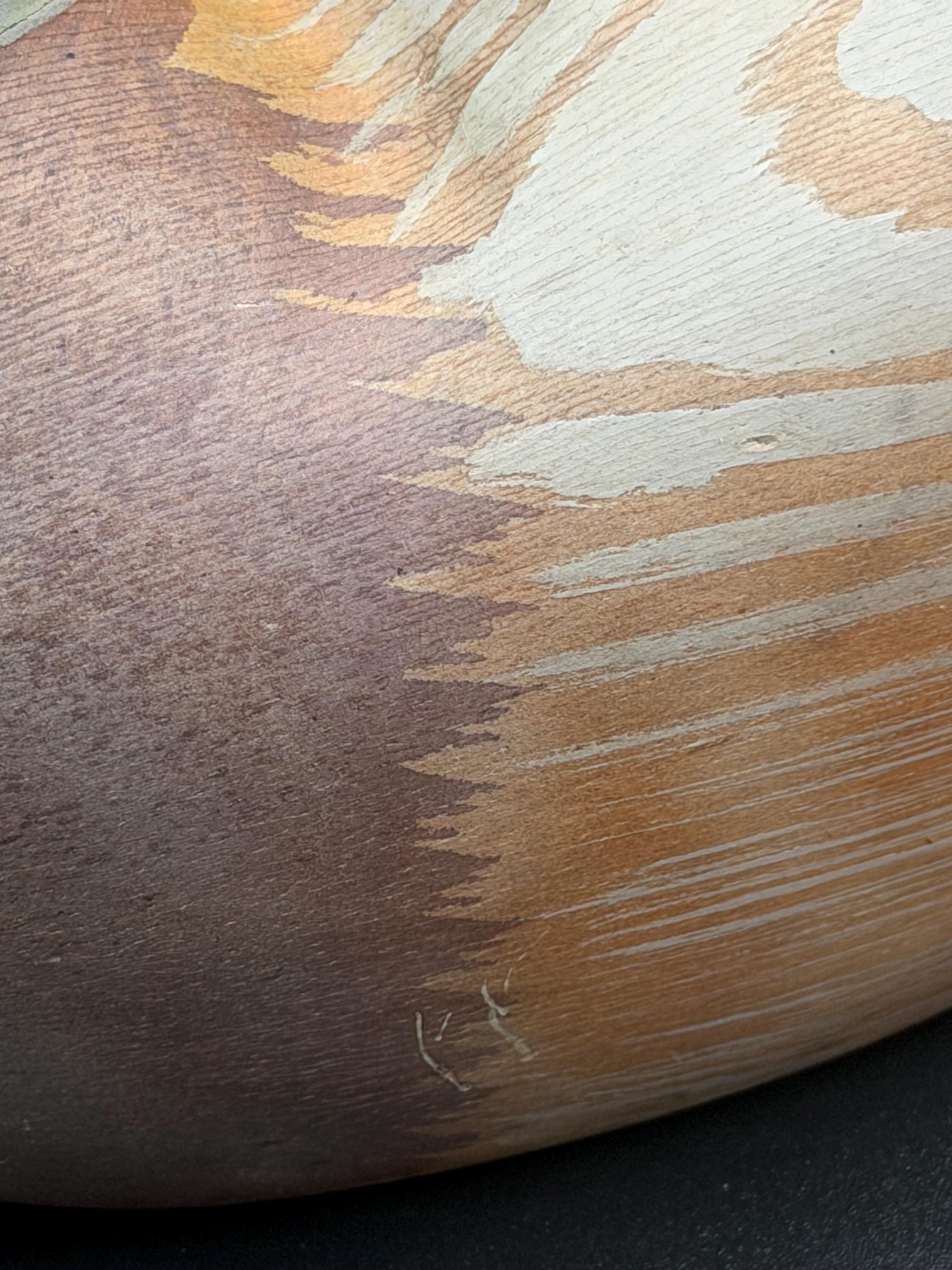
This piece is well crafted using the grains of the wood to blend in with the soft colors to create the feathered body.
TYPE: Mallard
POSE: Streamlined, Elliptical Body (on water)
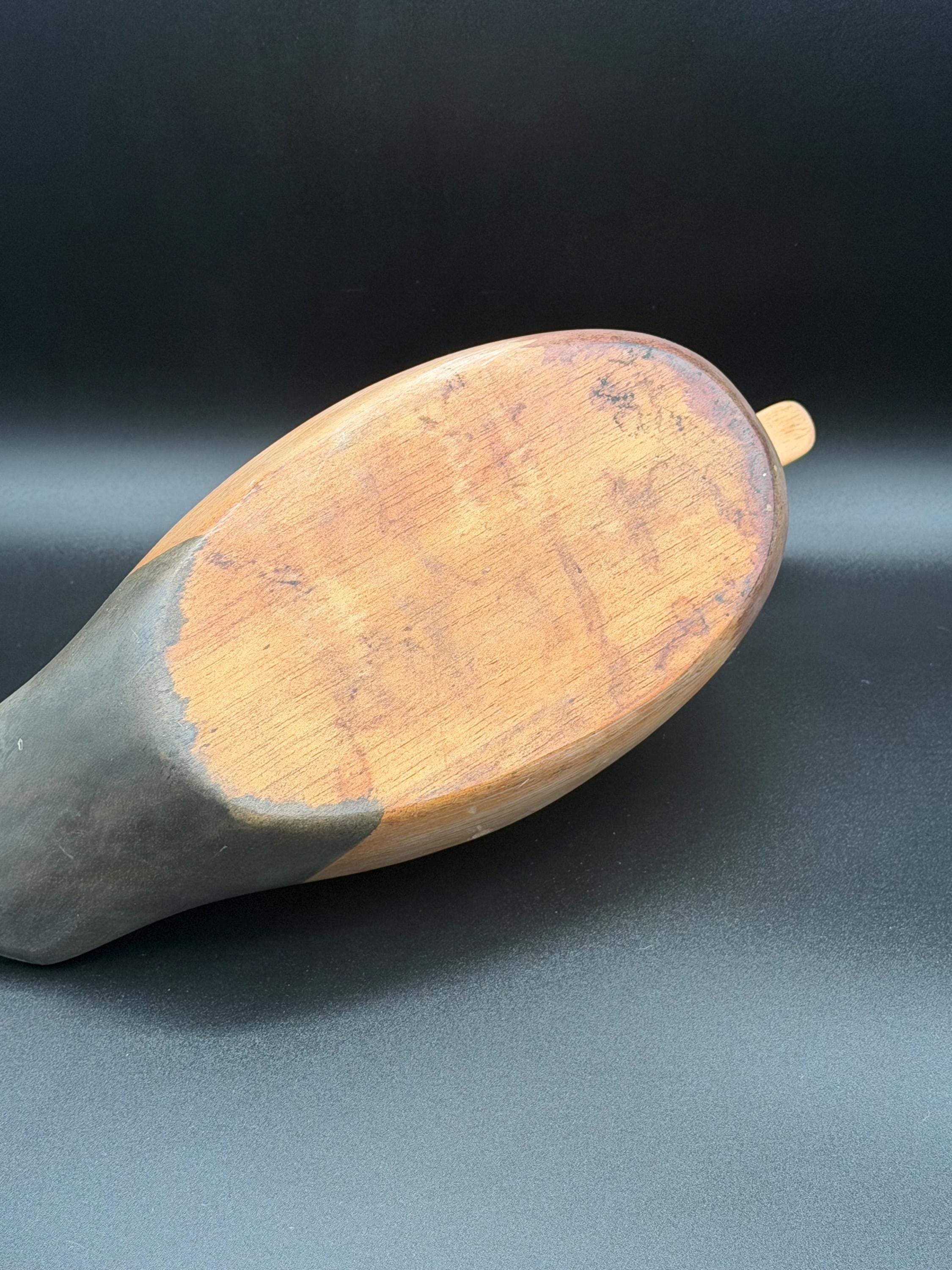
WEIGHT: 1 pound 14 ounces
CONDITION: Excellent
WOOD: Pinewood
Unsigned, Unknown maker and country of origin!
MemoryLaneVintiques purchased this item from an Estate Sale in Fort Worth, TX
MemoryLaneVintiques sanitizes all glassware, glazed pottery, jewelry and resin cast items before packing for shipment....100% Guaranteed!
STANDS IN PHOTOS NOT INCLUDED WITH PURCHASE OF THIS ITEM!
ETSY INTELLECTUAL PROPERTY POLICY!
As a venue for artists, designers, and makers, Etsy takes intellectual property rights very seriously. We comply with intellectual property laws and industry best practices in order to maintain the integrity of our creative marketplace. This Intellectual Property Policy explains how we address allegations of infringement: how authorized parties can submit reports of infringement regarding content on our marketplace, and how Etsy sellers can respond when their listings or shops are affected by a report.
ANY COPY AND PASTING OR PLAGIARIZING OF MATERIAL ON MEMORYLANEVINTIQUES
IS SUBJECT TO ETSY INVESTIGATION AND PENALTIES!
MemoryLaneVintiques researchers also protect our shop from Intellectual Property Theft by researching for violators of our material.
Be respectful!
Chad & Jennifer Johnston
(August 2024) -
Shipping & Policies