American History Made
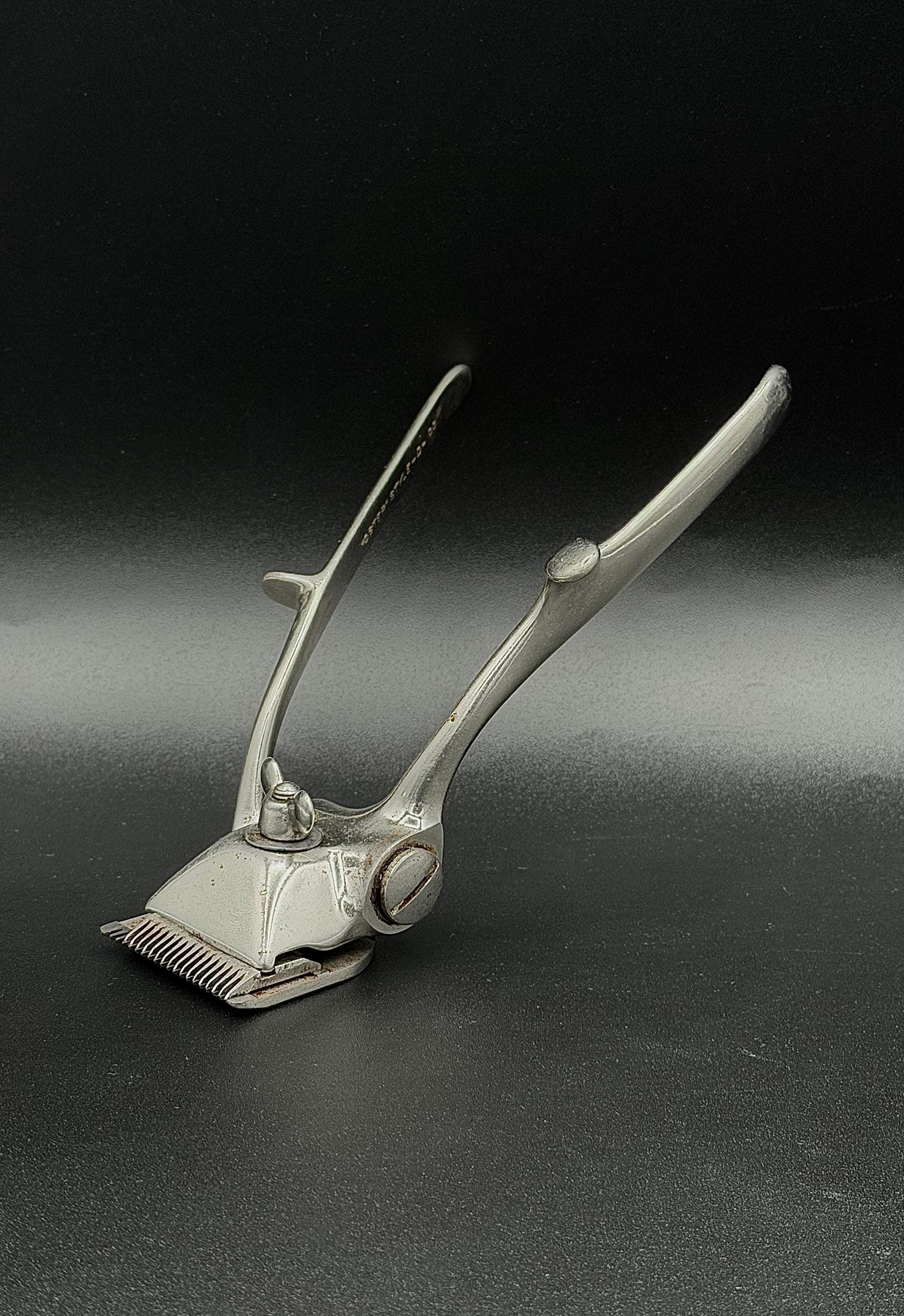
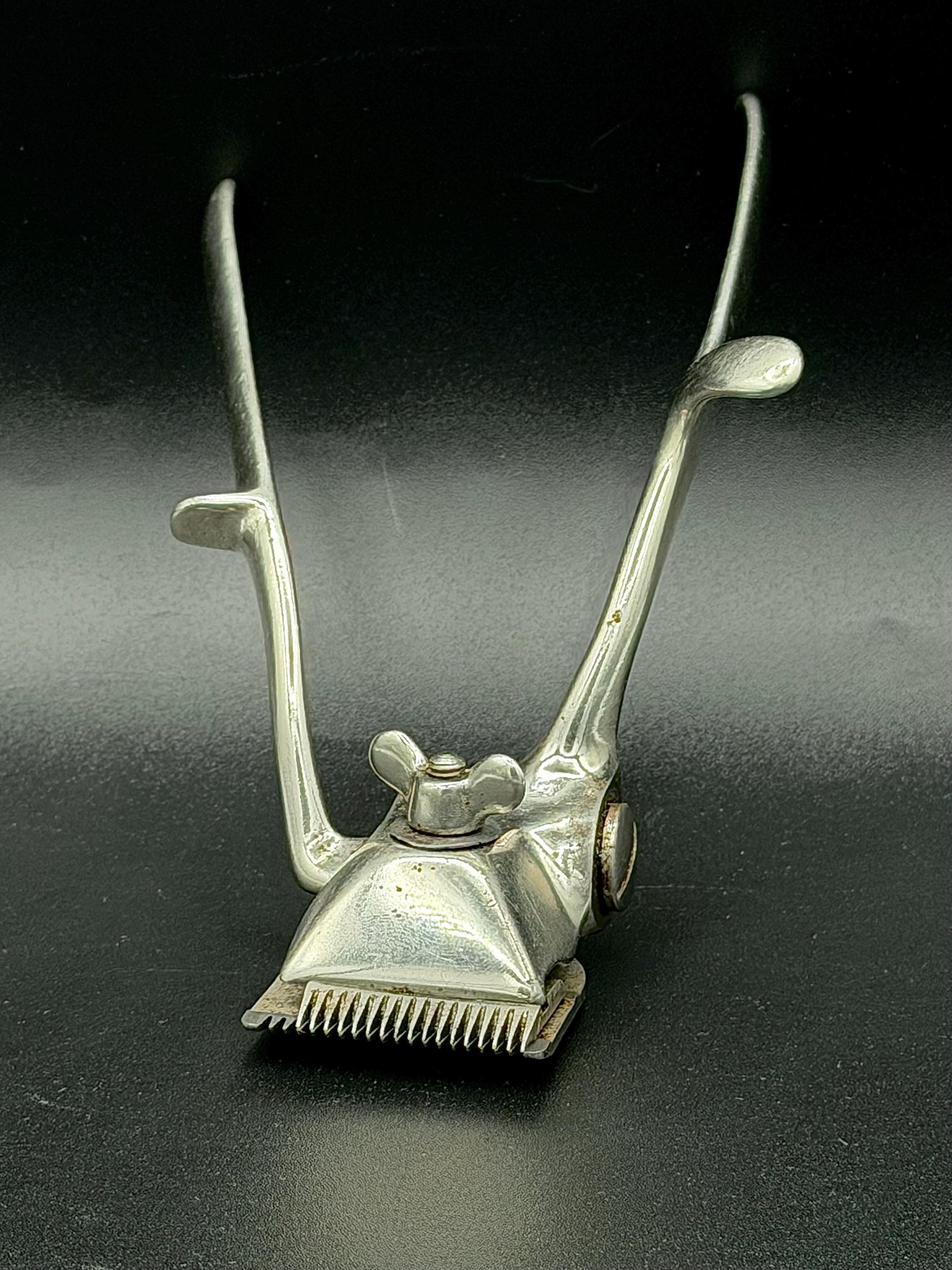
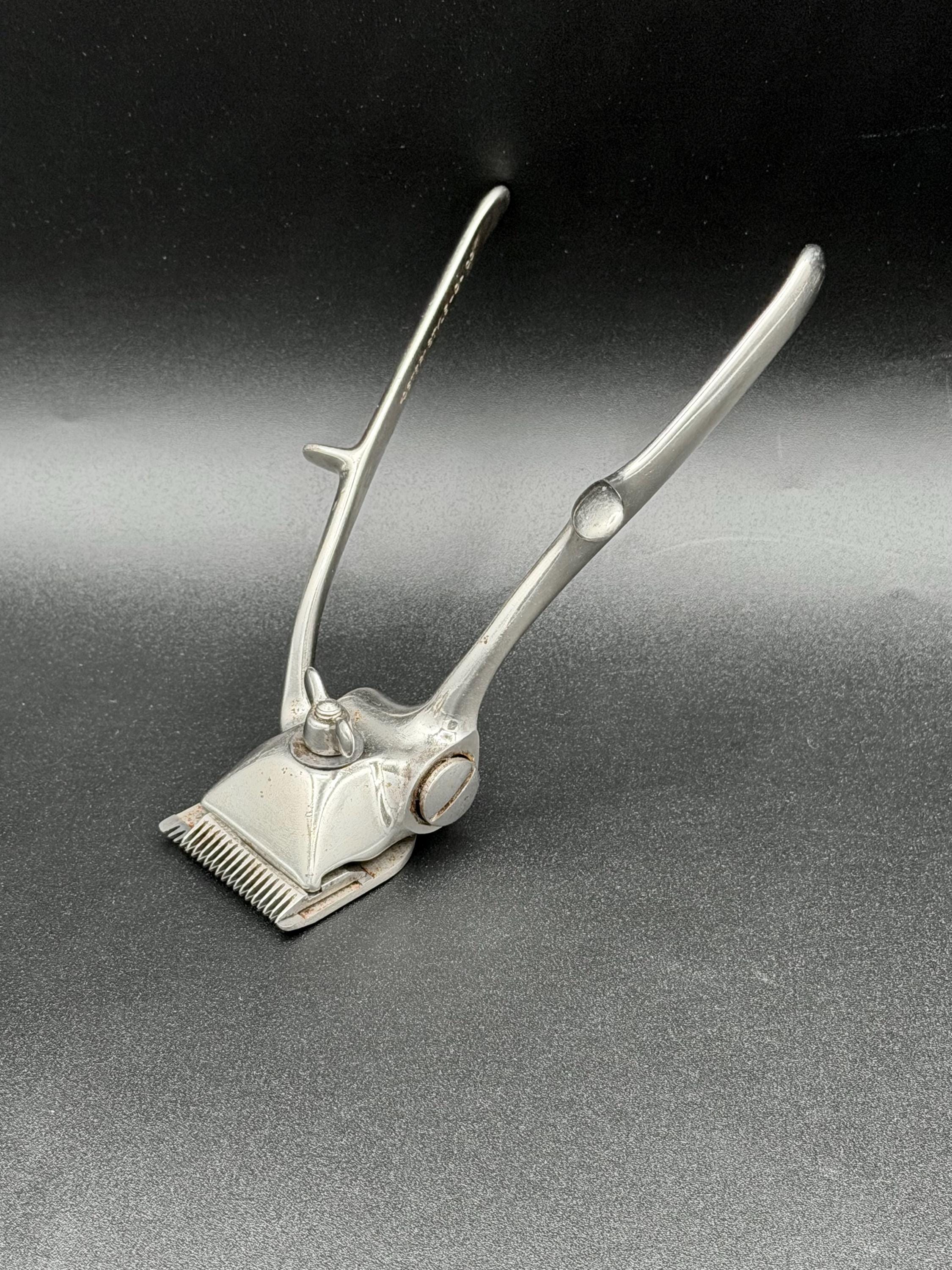
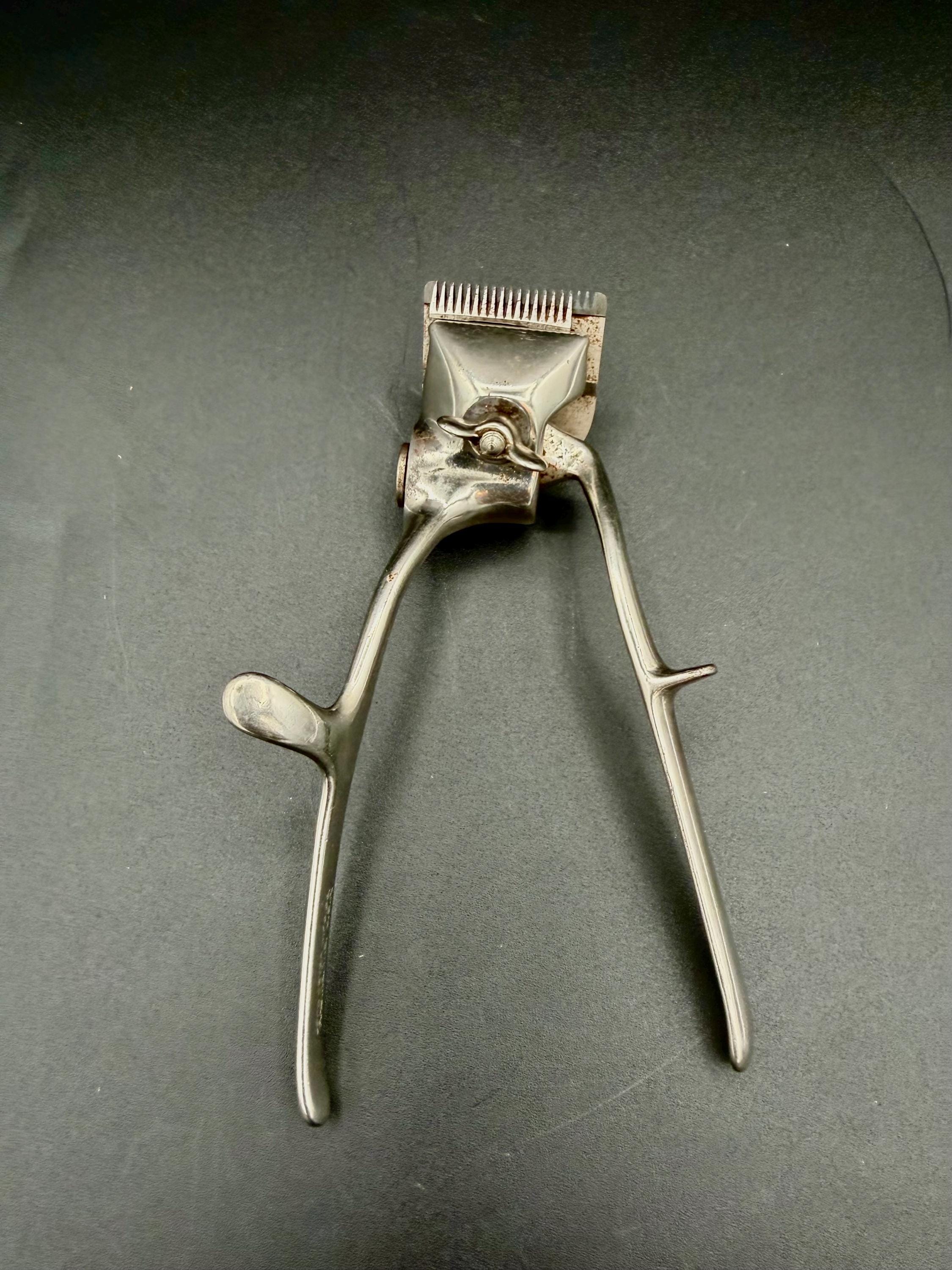
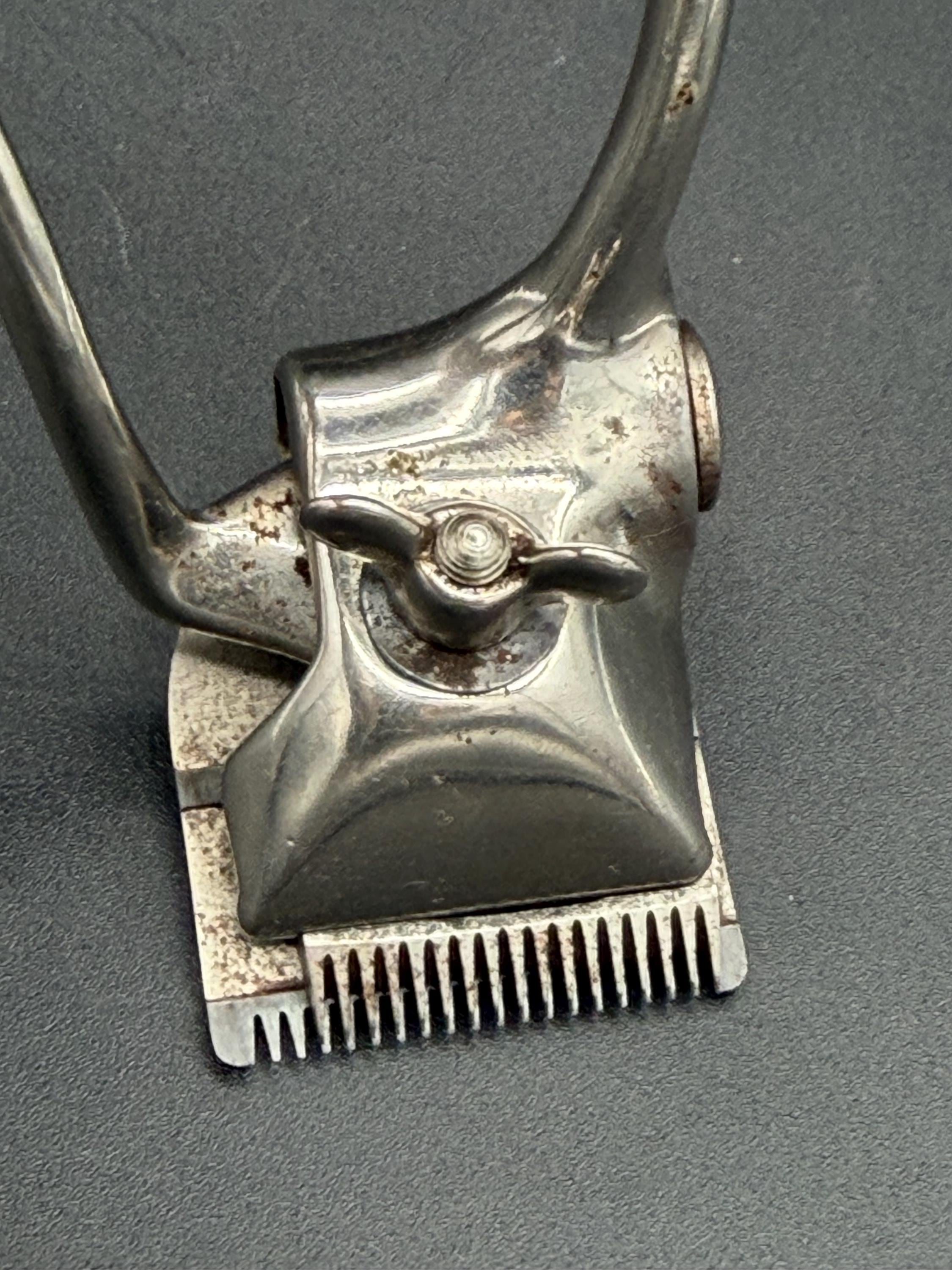
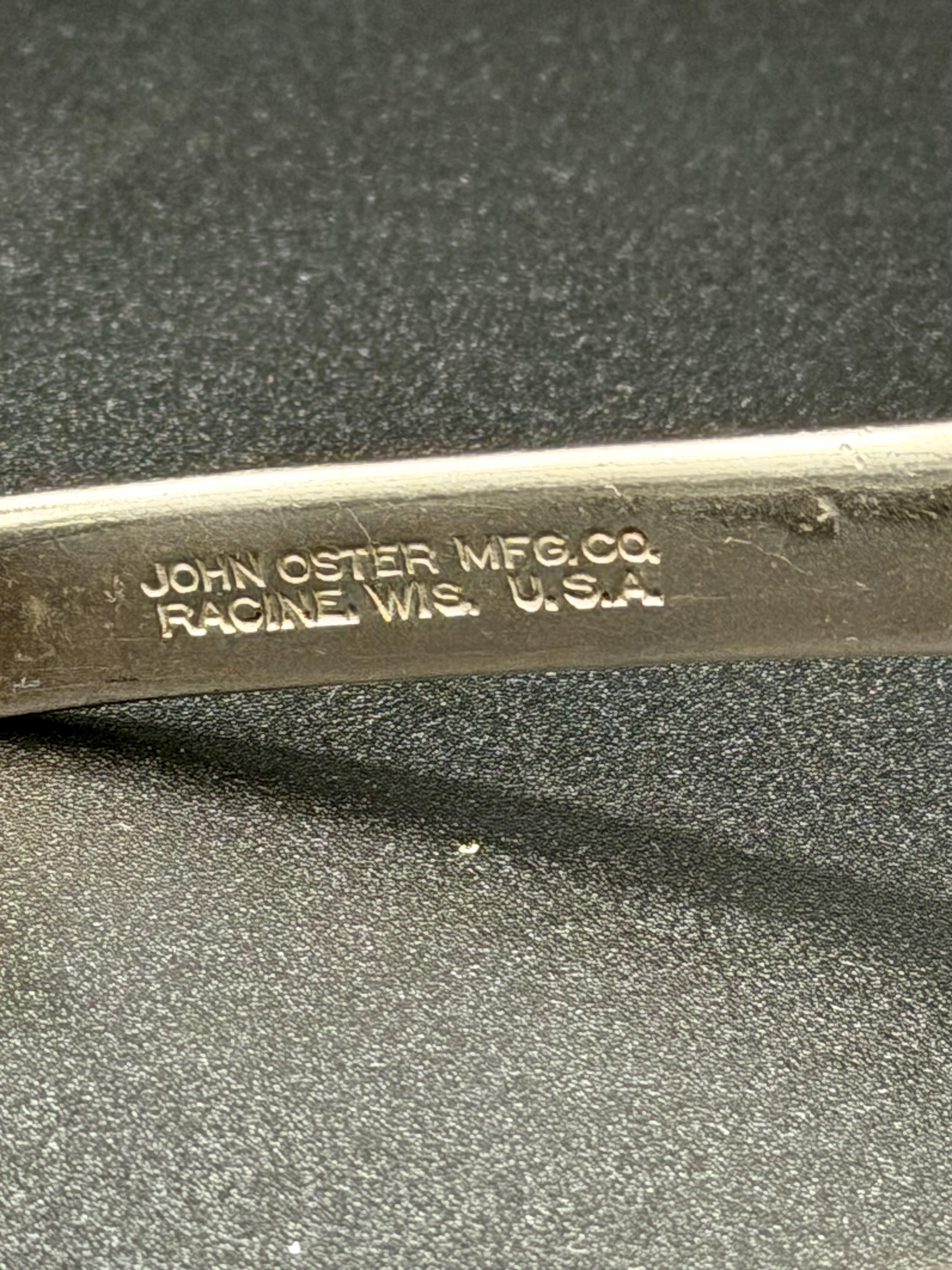
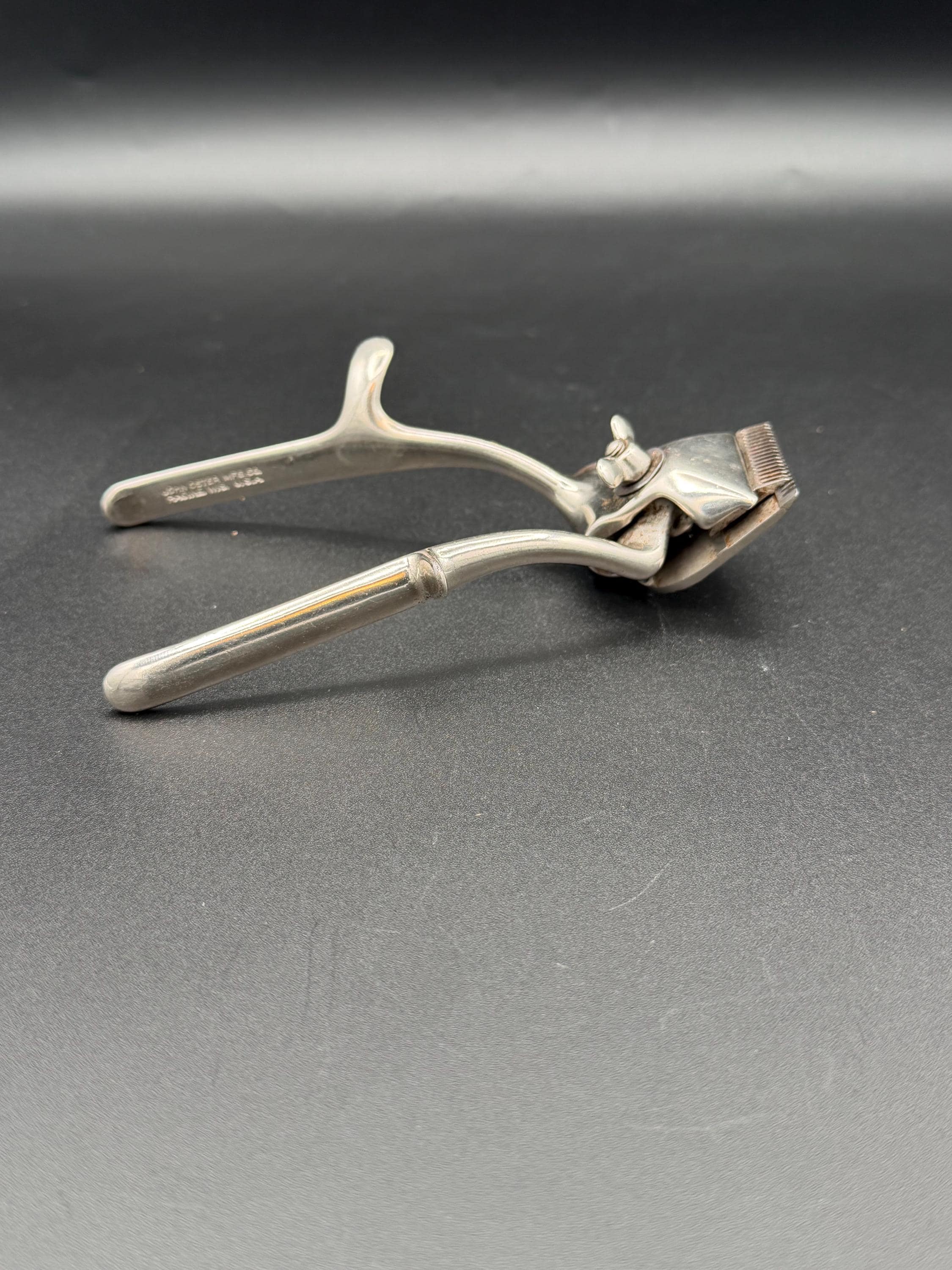
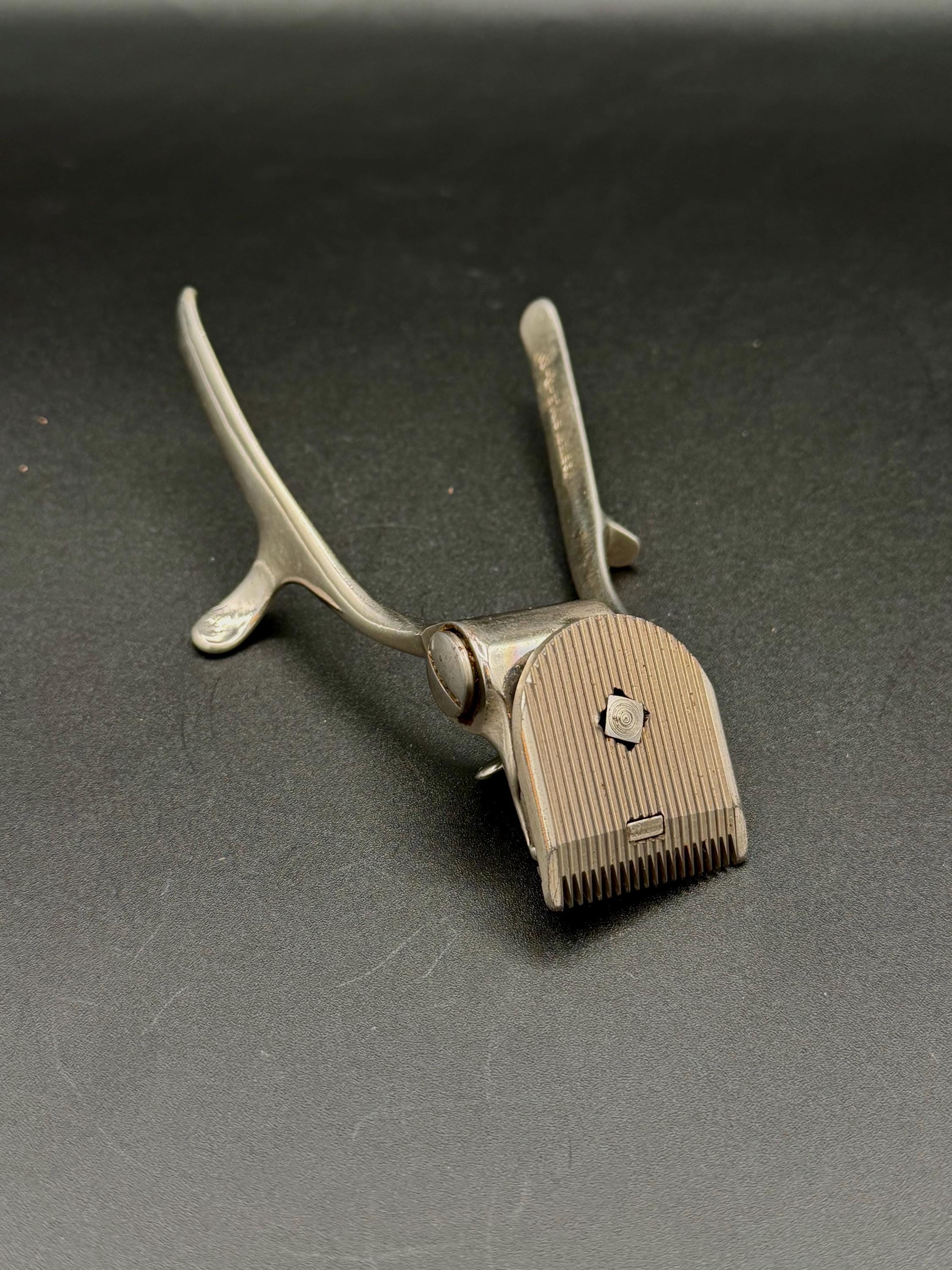
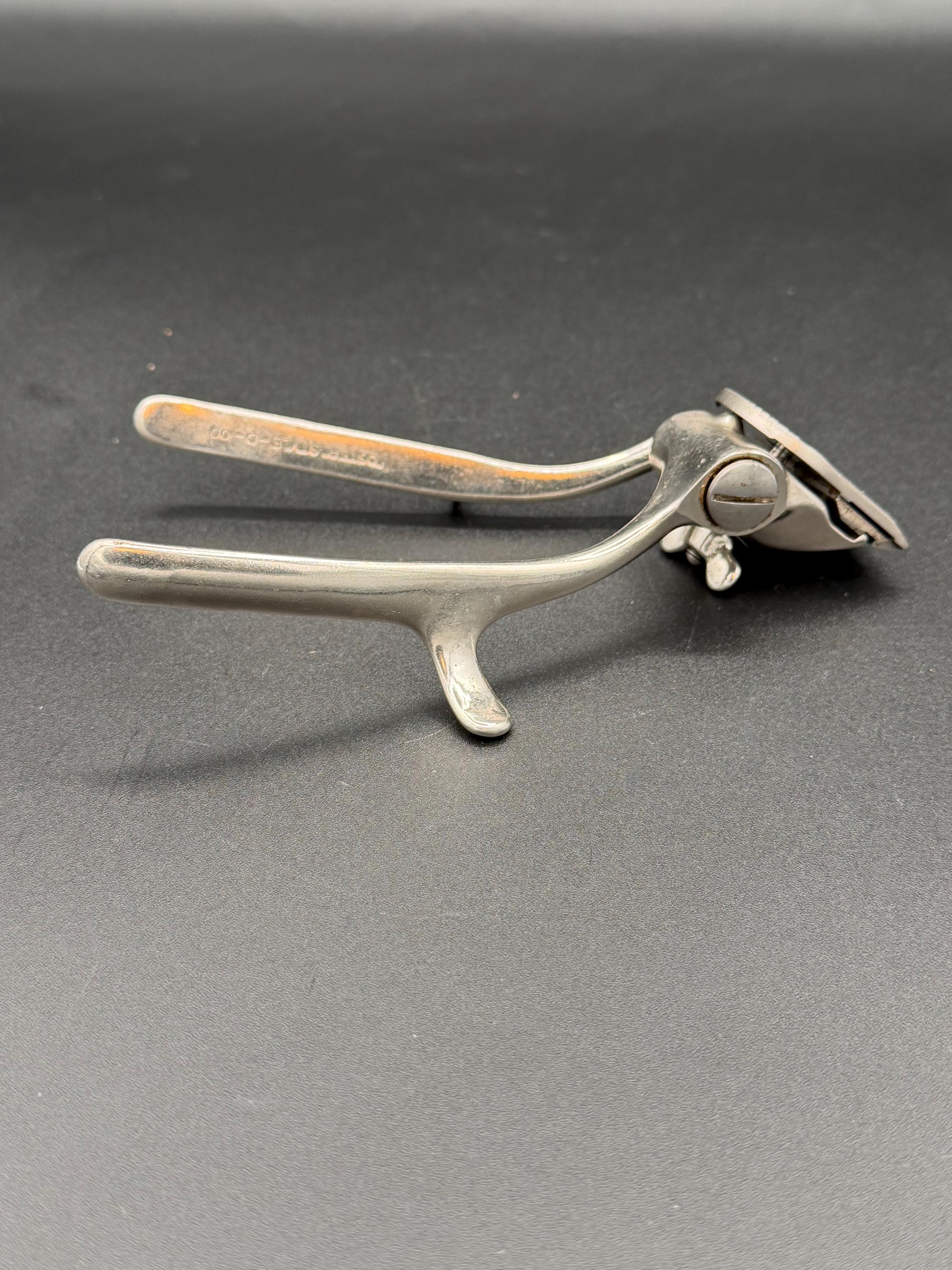
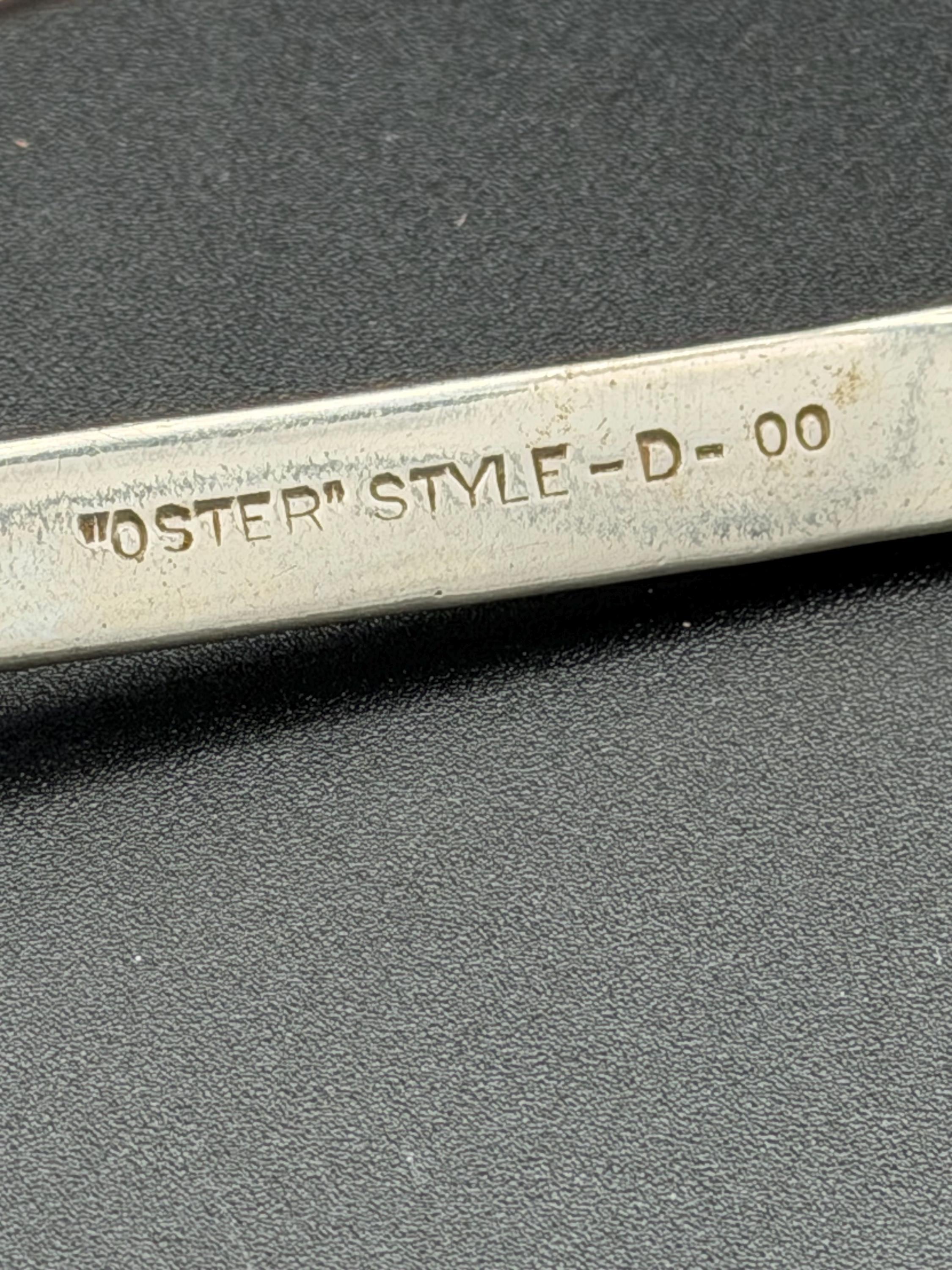
1924-1932 Traveling Barber Clippers made by John Oster Mfg. Co.-Racine, Wisconsin
$28.00
-
DetailsJohn Oster began manufacturing and selling hand-operated hair clippers in 1921 in Racine, Wisconsin. John moved to Racine, Wisconsin, and initially partnered in a local tool and die shop that made parts for hand-operated clippers. He soon started his own venture, formally establishing the John Oster Manufacturing Co. in 1924.
Around 1928, the company launched a compact, motor-driven electric clipper designed to style shorter hairstyles for women. Oster later invented and patented detachable, interchangeable blades to make cleaning and changing sizes easier.
Oster expanded into electronic barber comforts by buying the patent for the Stim-U-Lax massage machine in 1935 and launching the Oster Lather Machine in 1937. In 1946, the company bought Stevens Electric Company-the original creator of the liquefying blender-and renamed the product line the Osterizer. But, post-WWII era, production of manual models, like the Model B and Model D, steadily wound down. In 1960, Sunbeam Corporation acquired the then Oster Company, and by then manufacturing was heavily centered on electric personal care and small appliances, meaning manual clippers had already been phased out or relegated to minimal specialty production by the mid-20th century.
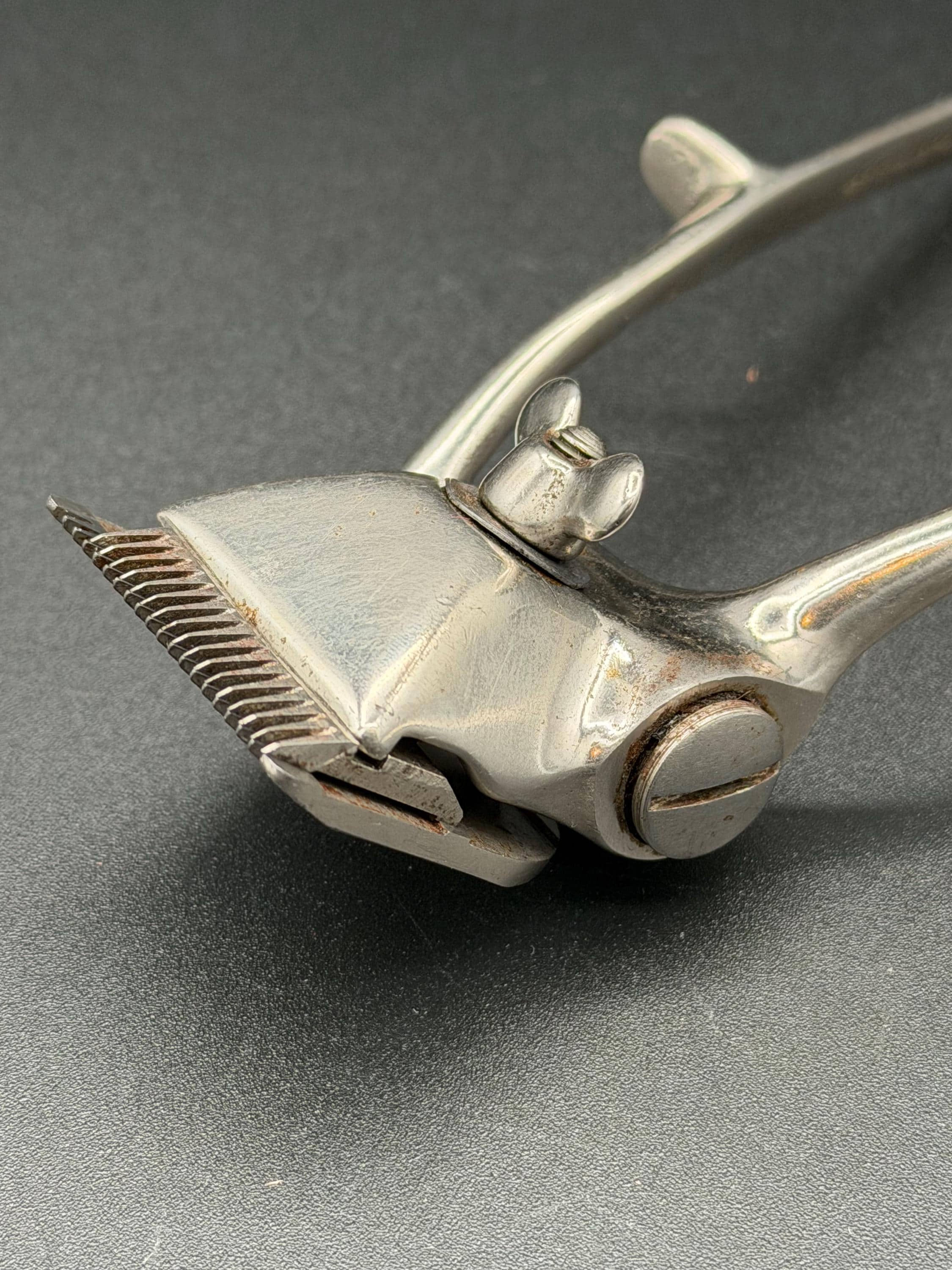
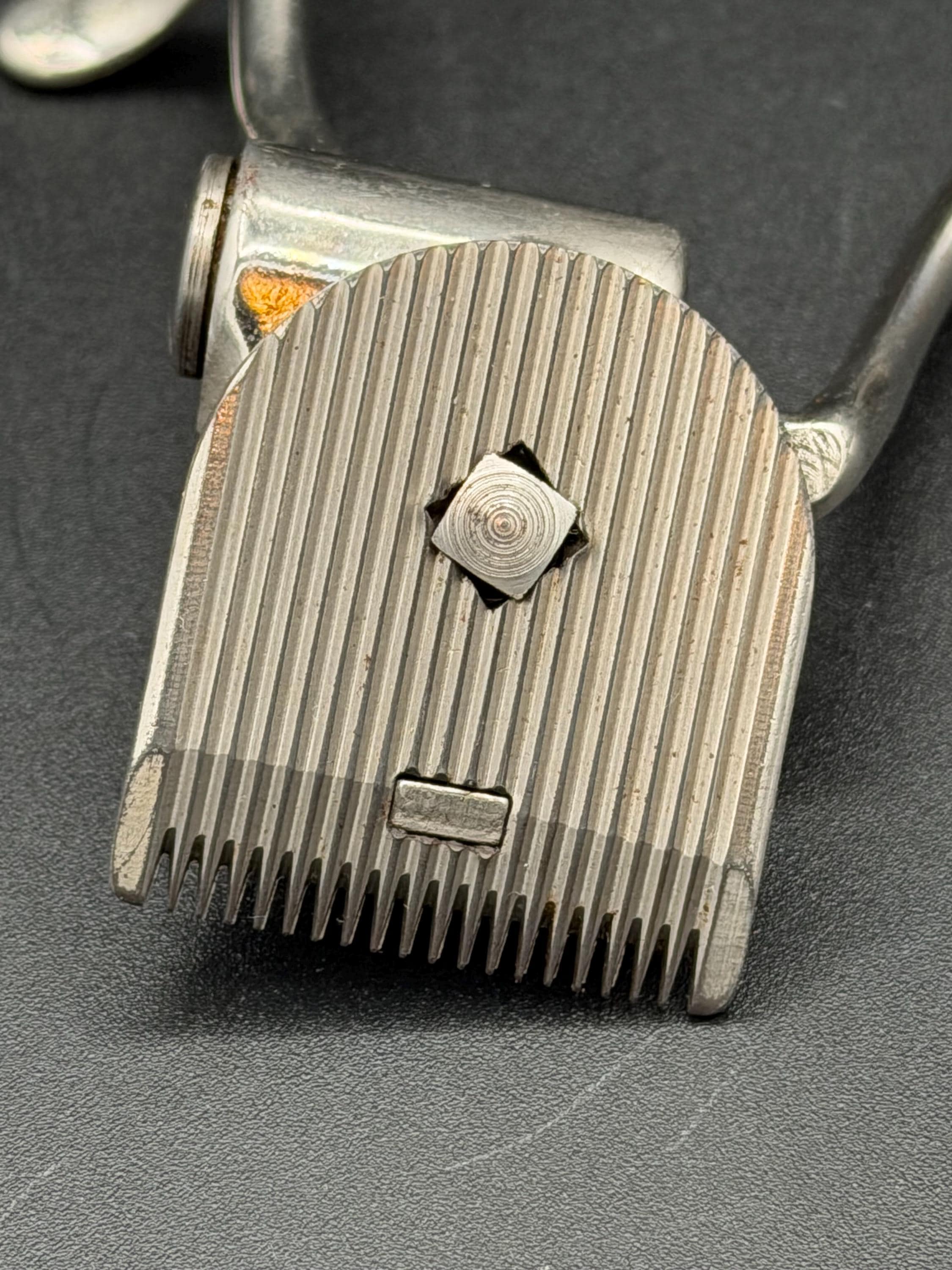
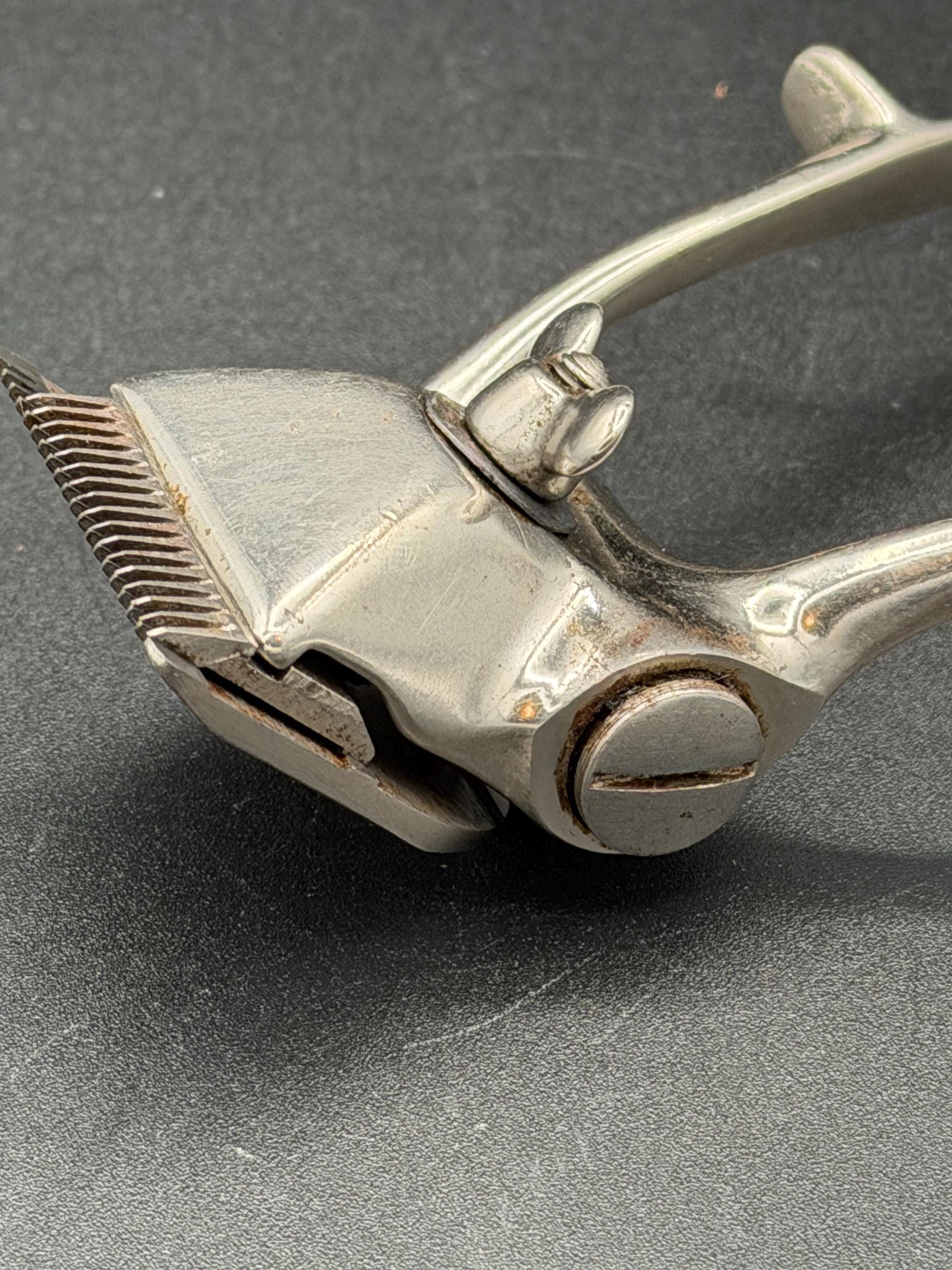
This John Oster model is the Oster Style D (est. 1924) that included variants like D-00 and D-000. This variant is the 00-blade size (1.25”) in the Oster model D. In traditional barbering nomenclature used by John Oster Manufacturing Co. and other clipper makers, numbers like 000, 00, 0, and 1 represent the spacing and tooth configuration of the integrated cutting head.
A head with the 00-size blade leaves the hair slightly longer than a 000 or 00000 (which cut almost down to the skin for a bald finish), but shorter and more closely cropped than a standard #0 or #1 blade.
It typically leaves about 0.5 mm to 1 mm of hair, acting as a fine-cutting or close-trimming setting ideal for necklines, sides, and short tapers.
In the 1930s, manual hand hair clippers like the Oster Style D typically cost around $1.00 to $2.50 brand new, depending on the retailer and whether they were purchased through a general hardware catalog or a professional barber supplier. During the Great Depression, standard mechanical hand-operated hair clippers, were budget-friendly professional grooming tools for stand-alone barbers and the opportunists.
General merchandise catalogs from the mid-1930s priced reliable steel manual clippers well under three dollars, making them an accessible tool for “barbershops” haircuts or the more dominant traveling barbers of the Great Depression South. A traveling barber in the 1930s was an independent groomer who took their services on the road-using modified cars, foot travel, or simple toolkits-to reach people who could no longer afford or access a traditional barbershop during the Great Depression.
Some barbers, converted old vehicles by removing back seats, bolting down a barber chair, and hanging a cracked mirror inside. Others packed essentials like scissors and a straight razor into a small tin box and walked from rural town to rural town or migrant camp to migrant camp. Because cash was scarce, traveling barbers frequently accepted trade instead of money-such as a single egg, fresh vegetables, or simply a good conversation. For displaced farmers, transient workers, and impoverished families, getting a haircut offered a rare moment of normalcy and self-respect during severe economic hardship. Traveling barbers served as bearers of local news and empathetic listeners for people who felt forgotten by society.
Good condition and still useable (needs oil) or makes for a great “barber shop” decoration and conversation piece. The John Oster Model D with OO blade size weighs only 4.8 ounces and measures 6” long.
This item was hand-picked by MemoryLaneVintiques in Denton, TX.
MemoryLaneVintiques sanitizes all glassware, glazed pottery, jewelry and resin cast items before packing for shipment...100% Guaranteed!
STANDS IN PHOTOS NOT INCLUDED WITH PURCHASE OF THIS ITEM!
ETSY INTELLECTUAL PROPERTY POLICY!
As a venue for artists, designers, and makers, Etsy takes intellectual property rights very seriously. We comply with intellectual property laws and industry best practices in order to maintain the integrity of our creative marketplace.
This Intellectual Property Policy explains how we address allegations of infringement: how authorized parties can submit reports of infringement regarding content on our marketplace, and how Etsy sellers can respond when their listings or shops are affected by a report.
ANY COPY AND PASTING OR PLAGIARIZING OF MATERIAL ON MEMORYLANEVINTIQUES IS SUBJECT TO ETSY
INVESTIGATION AND PENALTIES!
MemoryLaneVintiques researchers also protect our shop from Intellectual Property Theft by researching for violators of our material.
Be respectful!
Chad & Jennifer Johnston
(August 2024) -
Shipping & Policies
Related Products