Collectible Glass
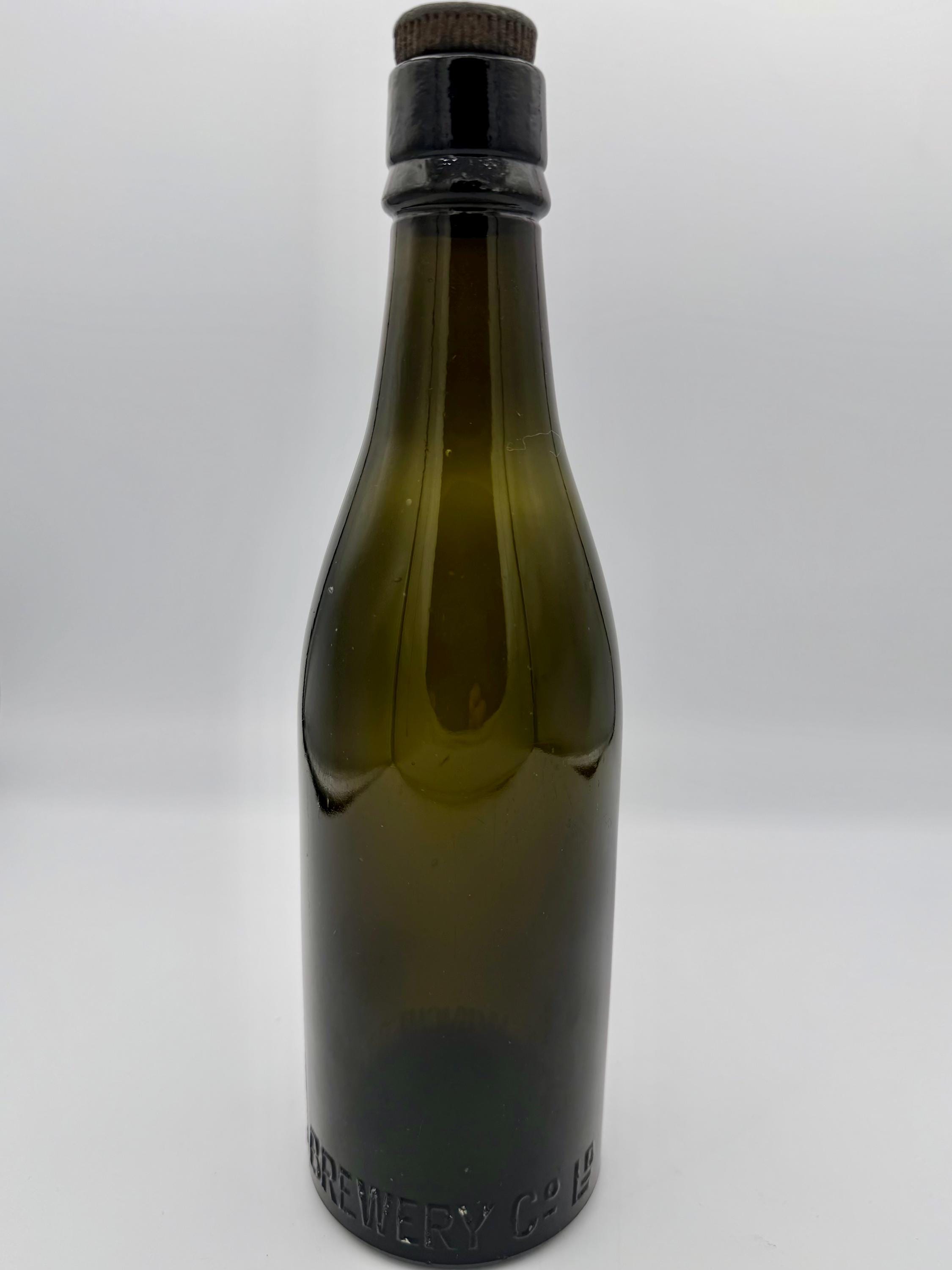
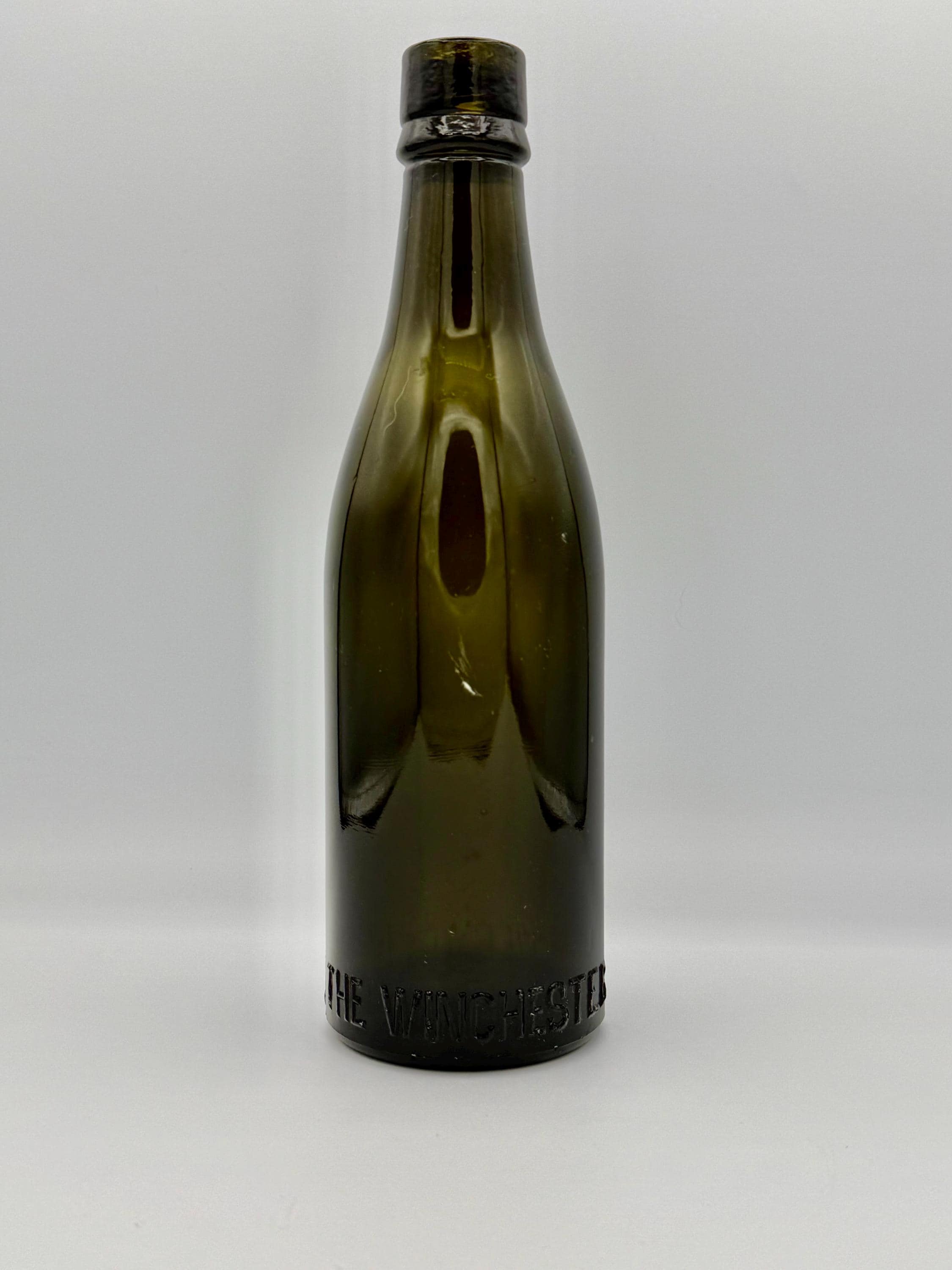
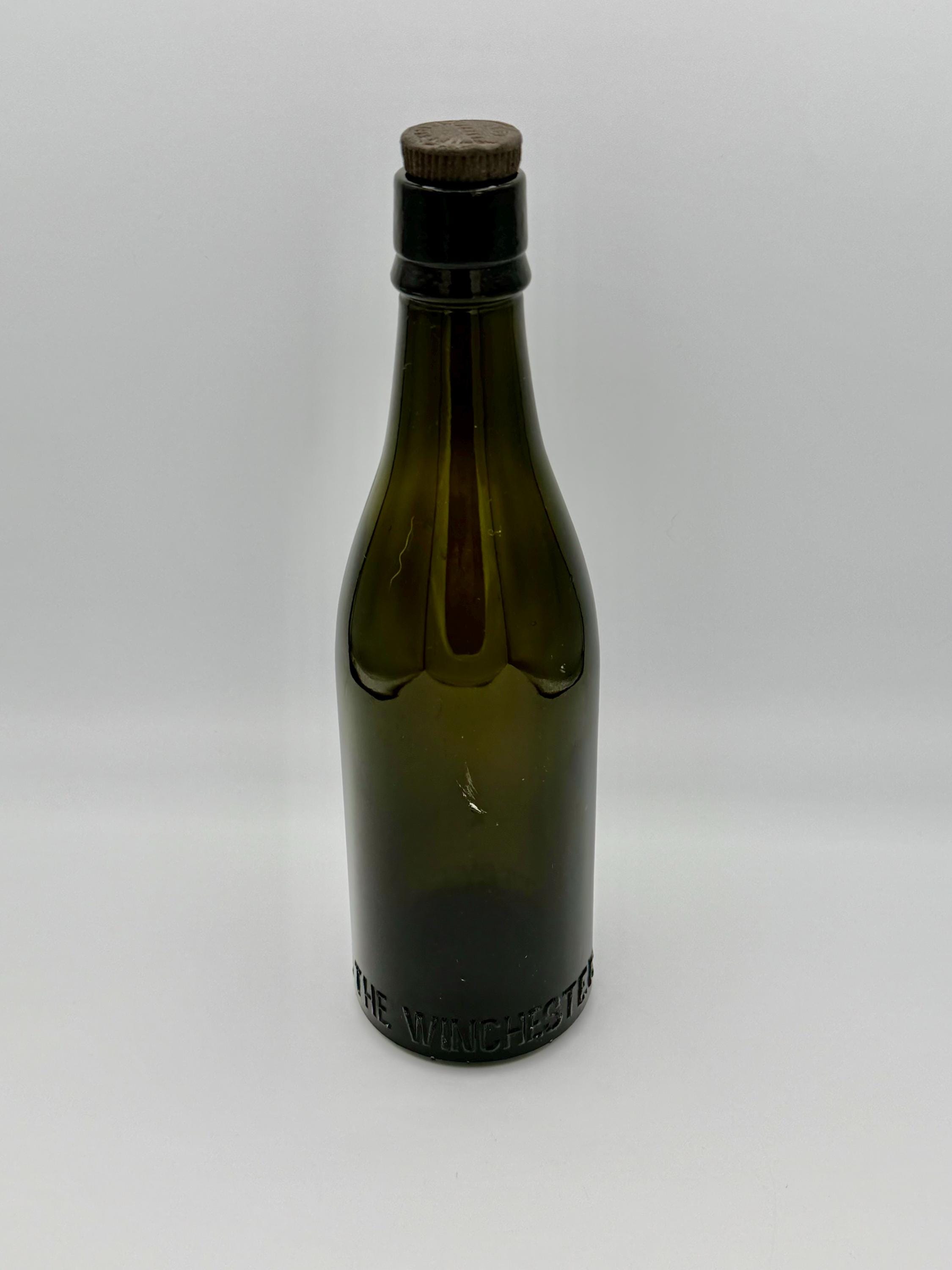
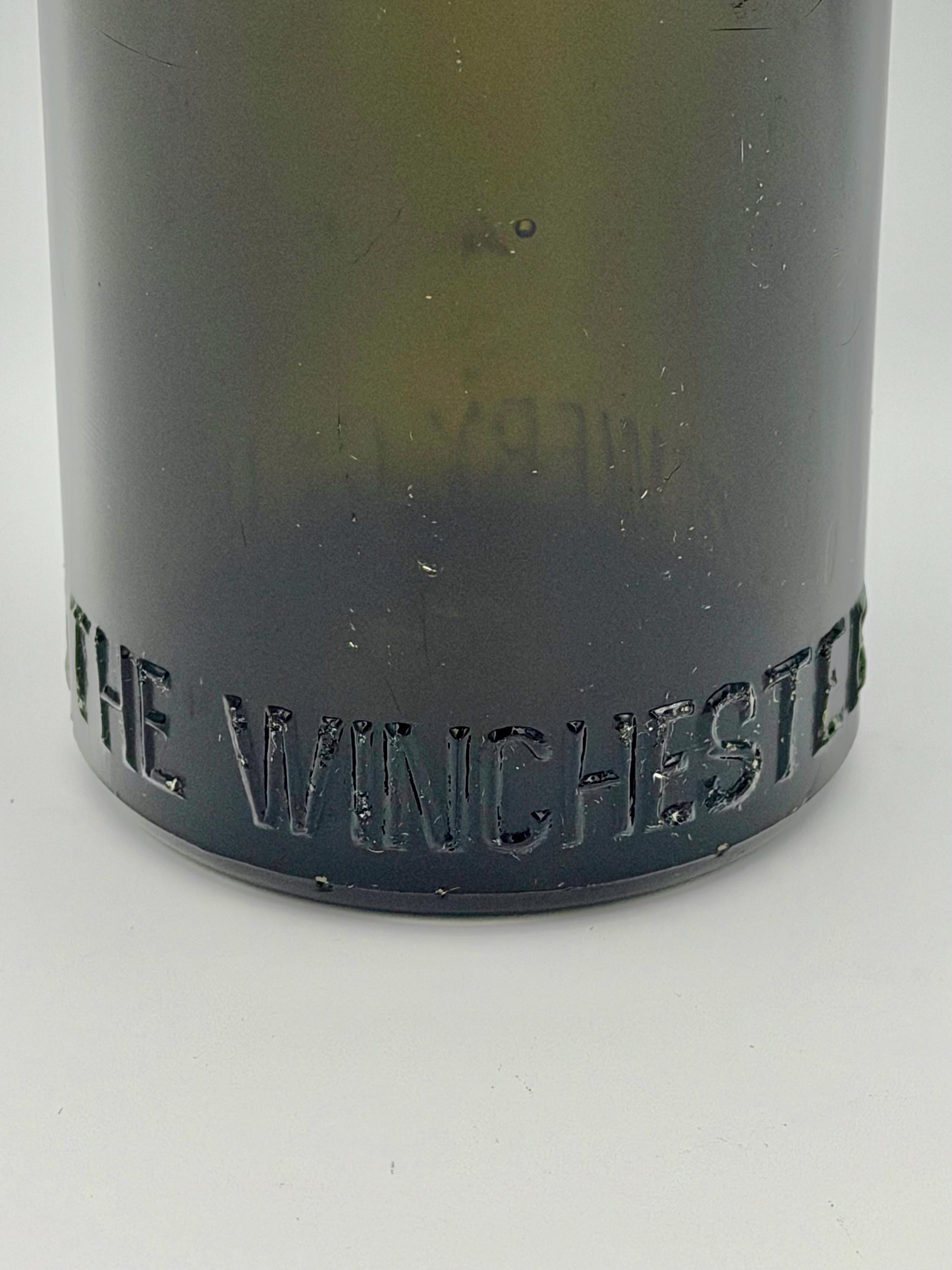
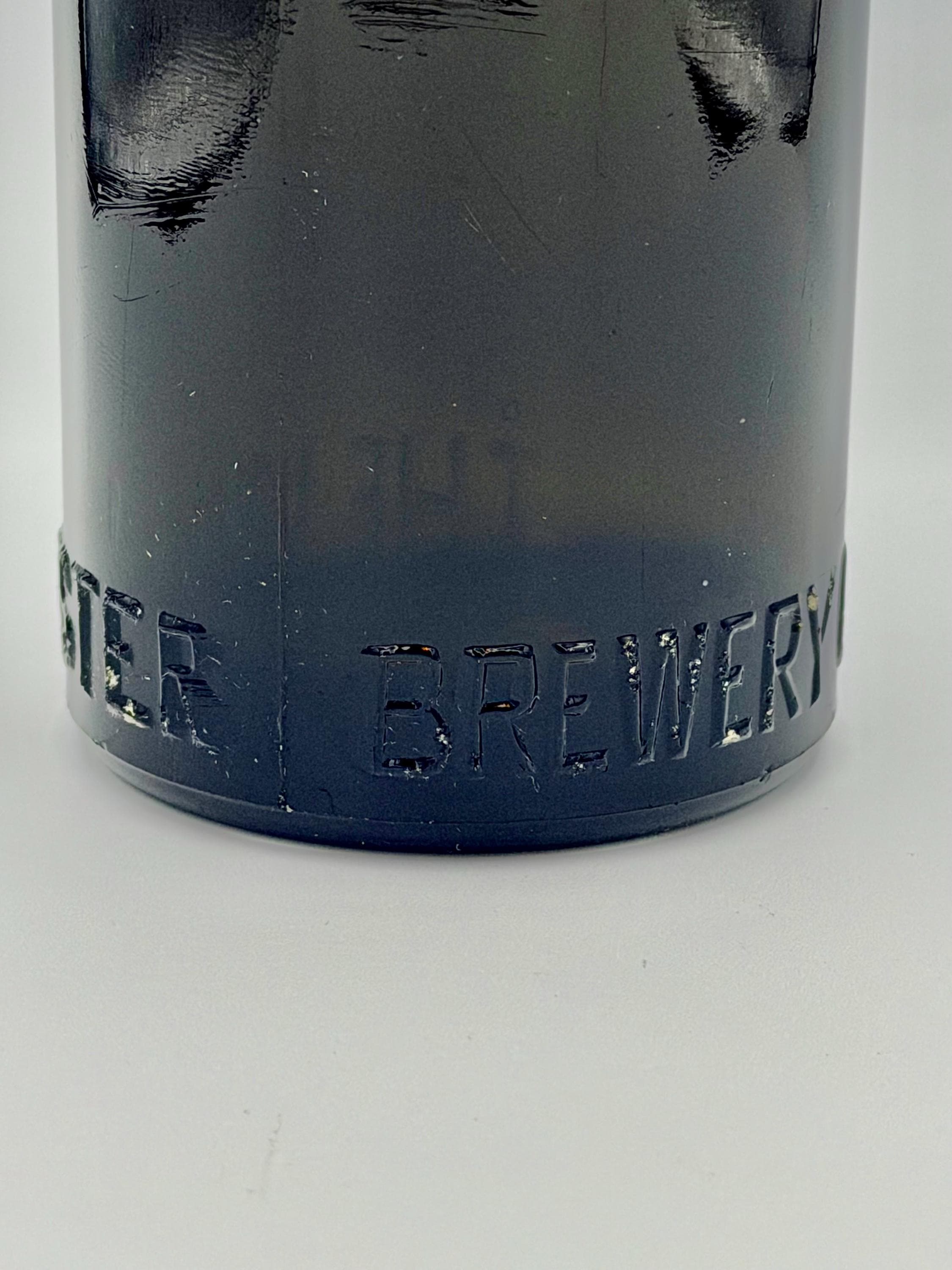
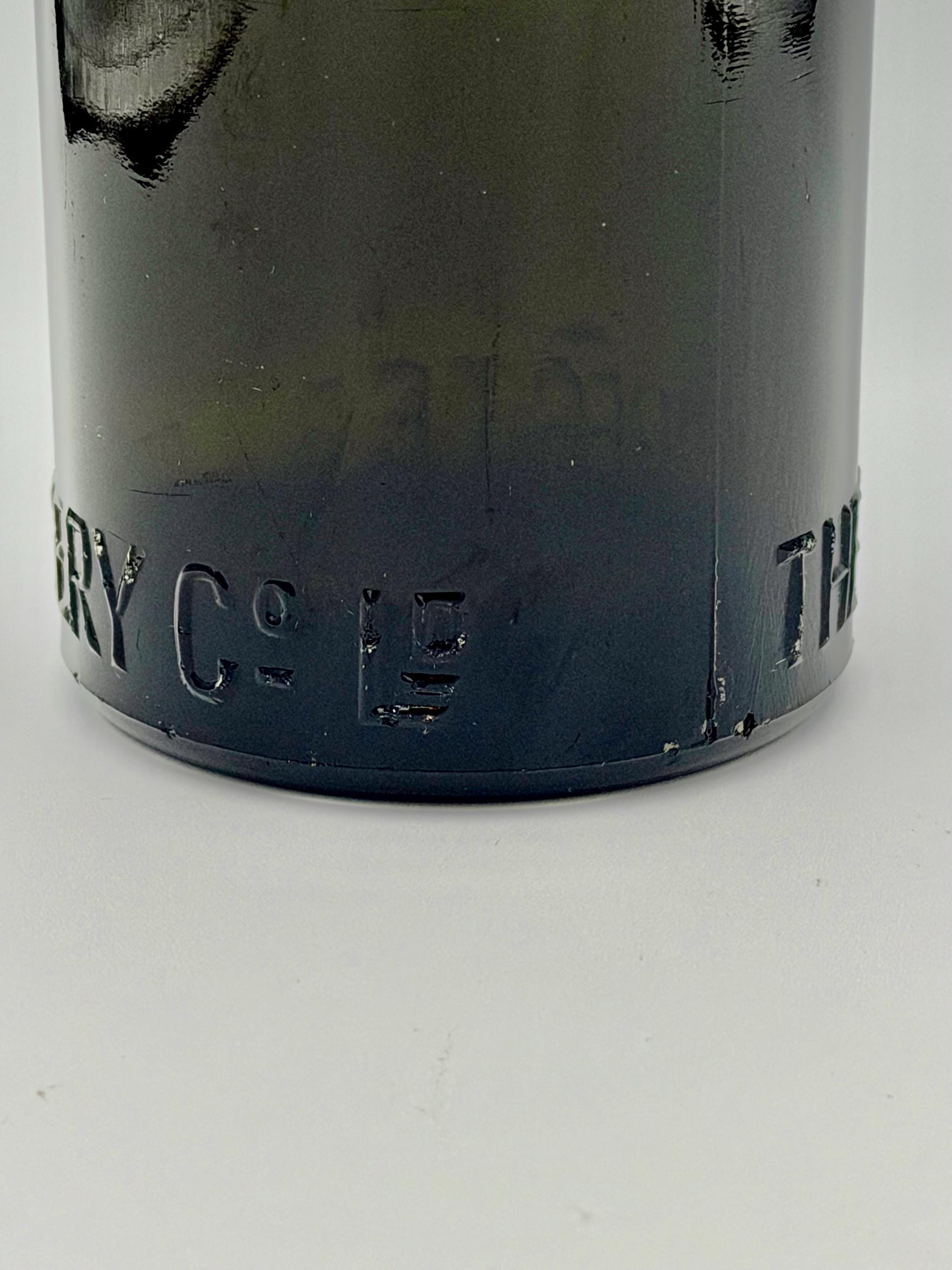
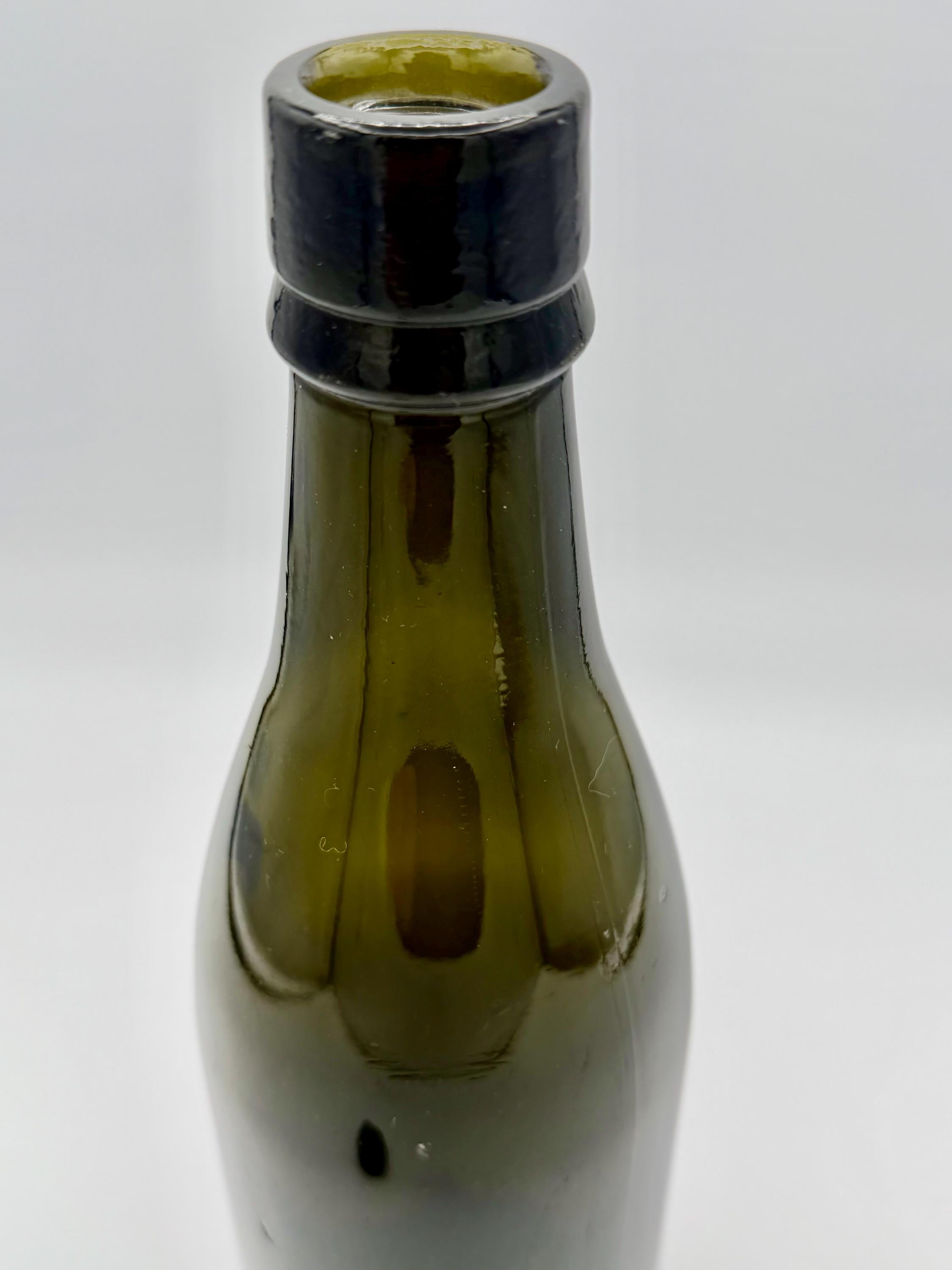
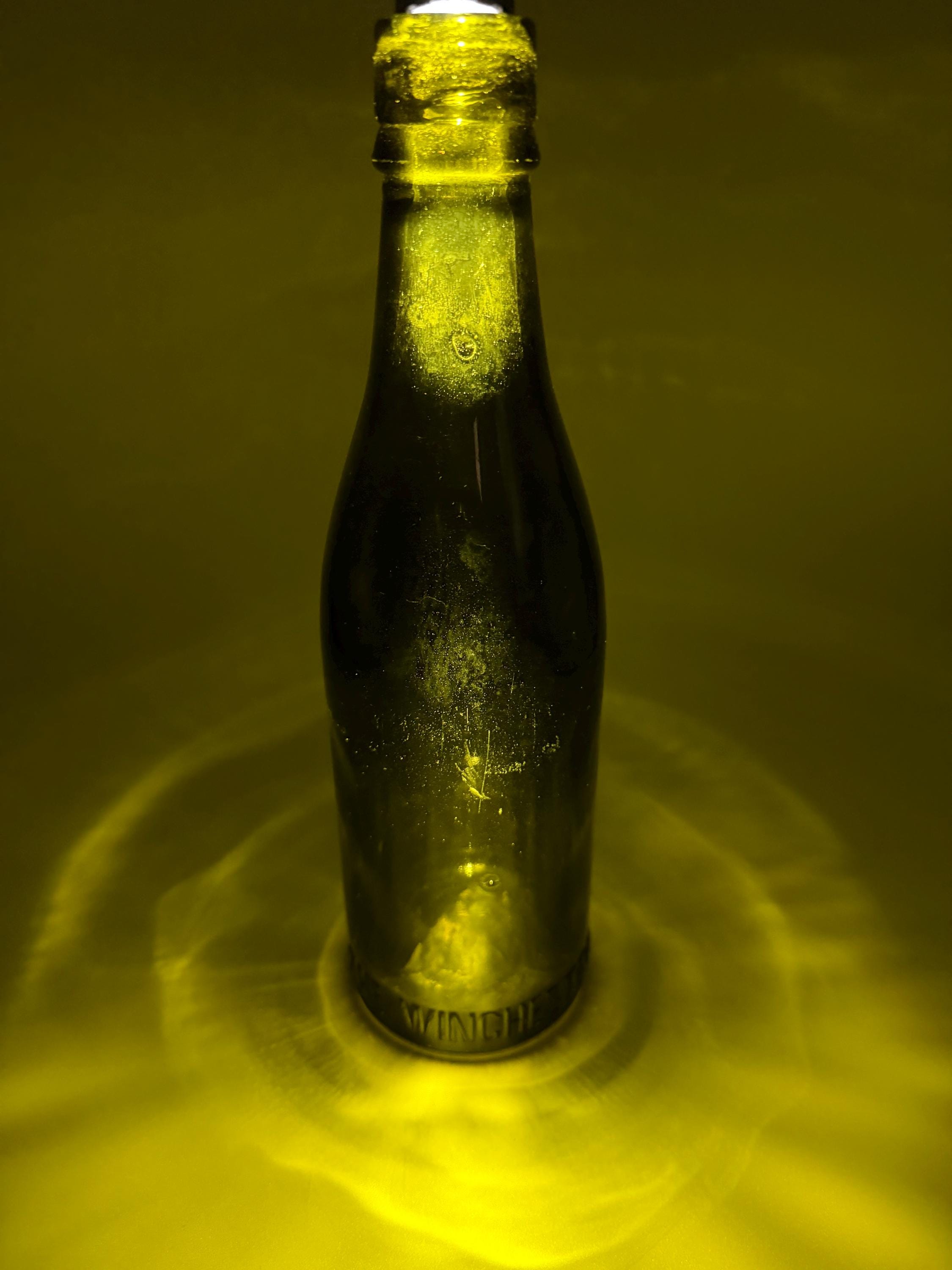
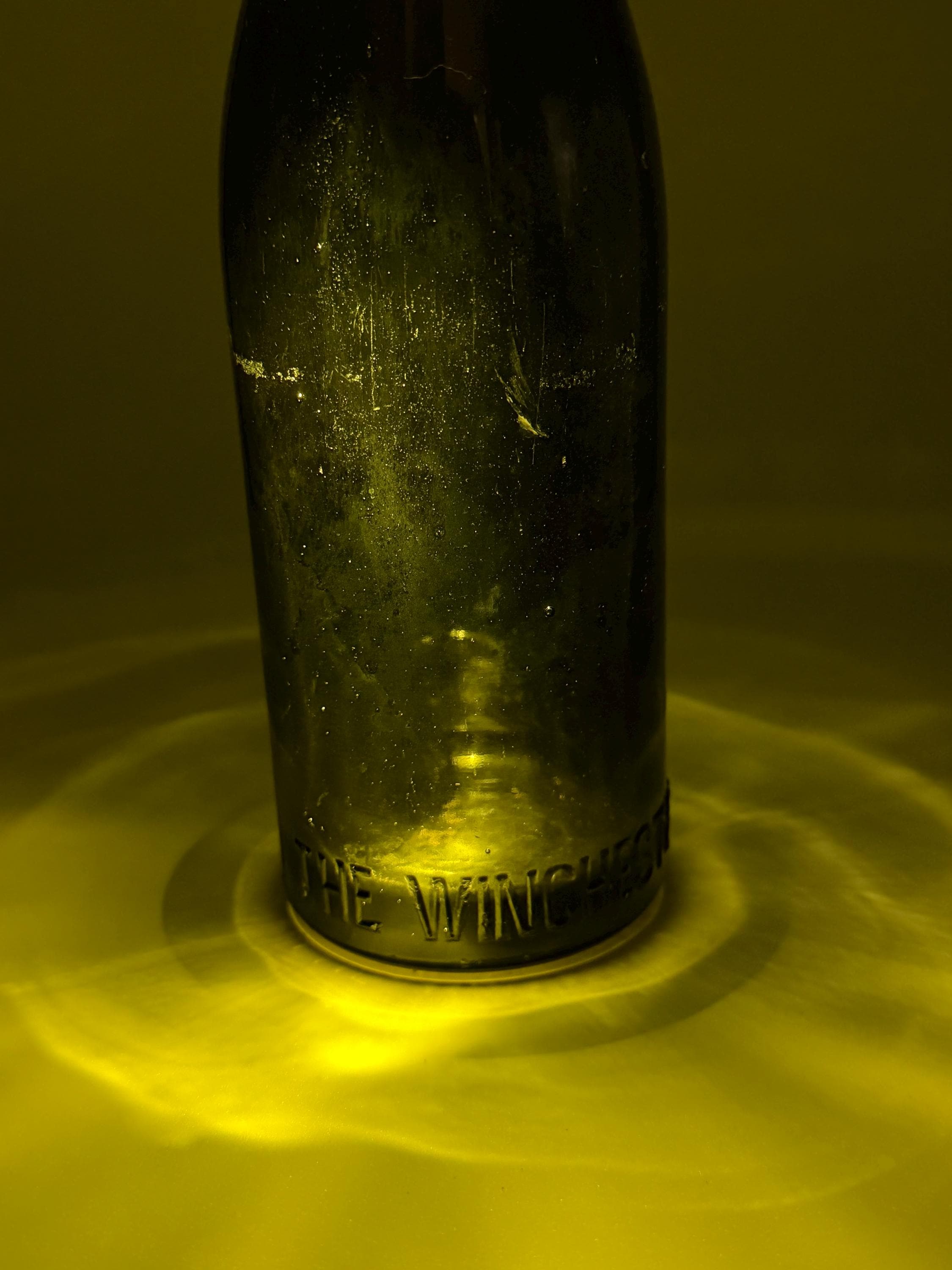
Rare Bottle by United Glass Bottle Manufacturers for The Winchester Brewery Co. Ltd-Great Britain.
$28.00
-
DetailsRARE COLLECTIBLE BOTTLE FROM MEMORYLANEVINTIQUES PERSONAL GLASS COLLECTION
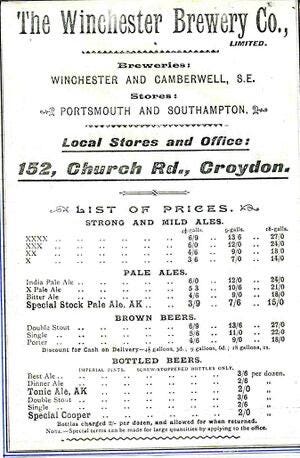
Made by the United Glass Bottle Manufacturers, Ltd. for Winchester Brewery, Inc., Ltd. between 1913-1924 for Winchester’s traditional ales, stouts, and lemonades.
ABOUT THE GLASSMAKER:
United Glass Bottle Manufacturers, Ltd. (UGA) was a major British glassmaking conglomerate that formed in 1913 through the merger of several other prominent English and Scottish glassworks. The merger was specifically organized to pool enough capital to secure UK manufacturing rights for the Owens automatic bottle machinery.
The Owens machinery was the world’s first fully automated bottle-blowing machines that was invented by Michael J. Owens in 1903. Owens was employed at the Toledo Glass Company in Toledo, Ohio-USA. It revolutionized the glass industry by using a vacuum mechanism to pull molten glass into molds, which vastly increased production speeds, lowered costs, and effectively eliminated child labor in the industry. United Glass Bottle Manufacturers, Ltd, was headquartered in London. The company operated major manufacturing plants across the UK, with its state-of-the- art Charlton facility built in 1921. This expansion into East London made the company the largest glassworks distributor in Europe.
The bottles were machine-pressed but were had semi-hand-made (blob tops) that look like “knobs”. The bottles design fit the Victorian and Edwardian eras, earning the nickname “knobby” by breweries and pubs.
A knobby is basically a pint bottle of ale or beer which was also commonly nicknamed "brown pop", "wallop", or "bobby bottles" depending on the color and shape of the glass. A pint in the 1920s, typically cost between 4 and 7 pence, which is equivalent of roughly $0.45 to $ 0.50 in the US today.
The UGA dropped "Bottle" from its name and became known as United Glass Limited (UG) in 1959. The UG began focusing more on drinkware and even tableware until unfortunately ceasing operations in 1968.
ABOUT THE BREWERY:
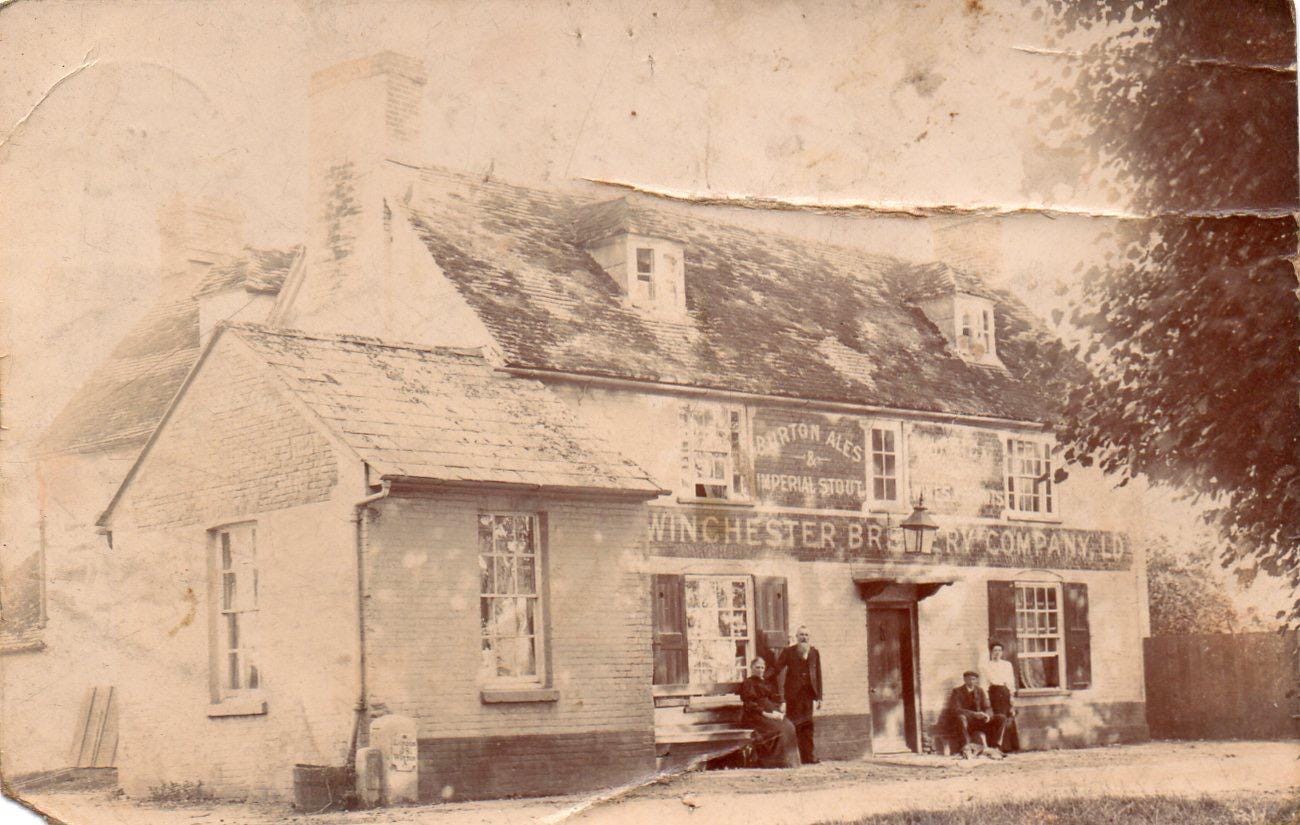
The Winchester Brewery Co. Ltd (est. 1812) was founded in Hyde Street, Winchester, England. The brewery was acquired by Marston, Thompson & Evershed Ltd in 1923.
When Marston, Thompson & Evershed acquired the Winchester Brewery, they ceased all active brewing at the Hyde Street site. They supplied their local tied houses entirely with Marston's beers brewed in Burton-upon-Trent and then shipping them to Winchester to be bottled. The original Winchester Brewery recipes were dropped. The site was re-purposed strictly as a bottling plant and regional distribution depot for Marston's. Local pubs like the Mucky Duck (formerly the White Swan), which operated as the original brewery tap, served Marston's ales instead. The original Winchester brewery operations were completely shuttered in the factory by 1924. The Winchester name and UGA bottles were gradually phased out alongside the completed acquisition. By the time all brewing permanently ended and the last of the local brewing logs were recorded, the branding was standardized under the Marston, Thompson & Evershed name for several decades.
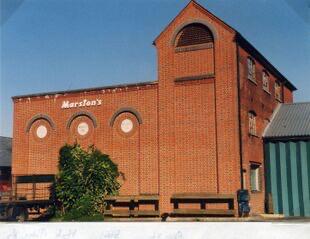
Marston’s was defunct in 1969. The original "Counting House" on the frontage and the brewery site itself are now residential homes (known as Marston Gate). (see photo gallery)
BOTTLE SPECIFICATIONS:
Weighs 1 lb. 9 oz [708.74 grams]
Height 10.75” [27.31 cm]
Base Diameter 3” X 3” [7.62 cm]
Circumference 9” [22.86 cm]
FEATURES:
Olive Green Colored Glass-By mixed oxide impurities in the silica sand, this achieves a dense, dark shade of glass for beer and wine containers. UGA and other glass manufacturers intentionally added carbon-heavy impurities like coal or charcoal to the batch to create a fuel-rich, oxygen-poor (reducing) furnace atmosphere, which locked the iron into the powerful dark-green ferrous state.
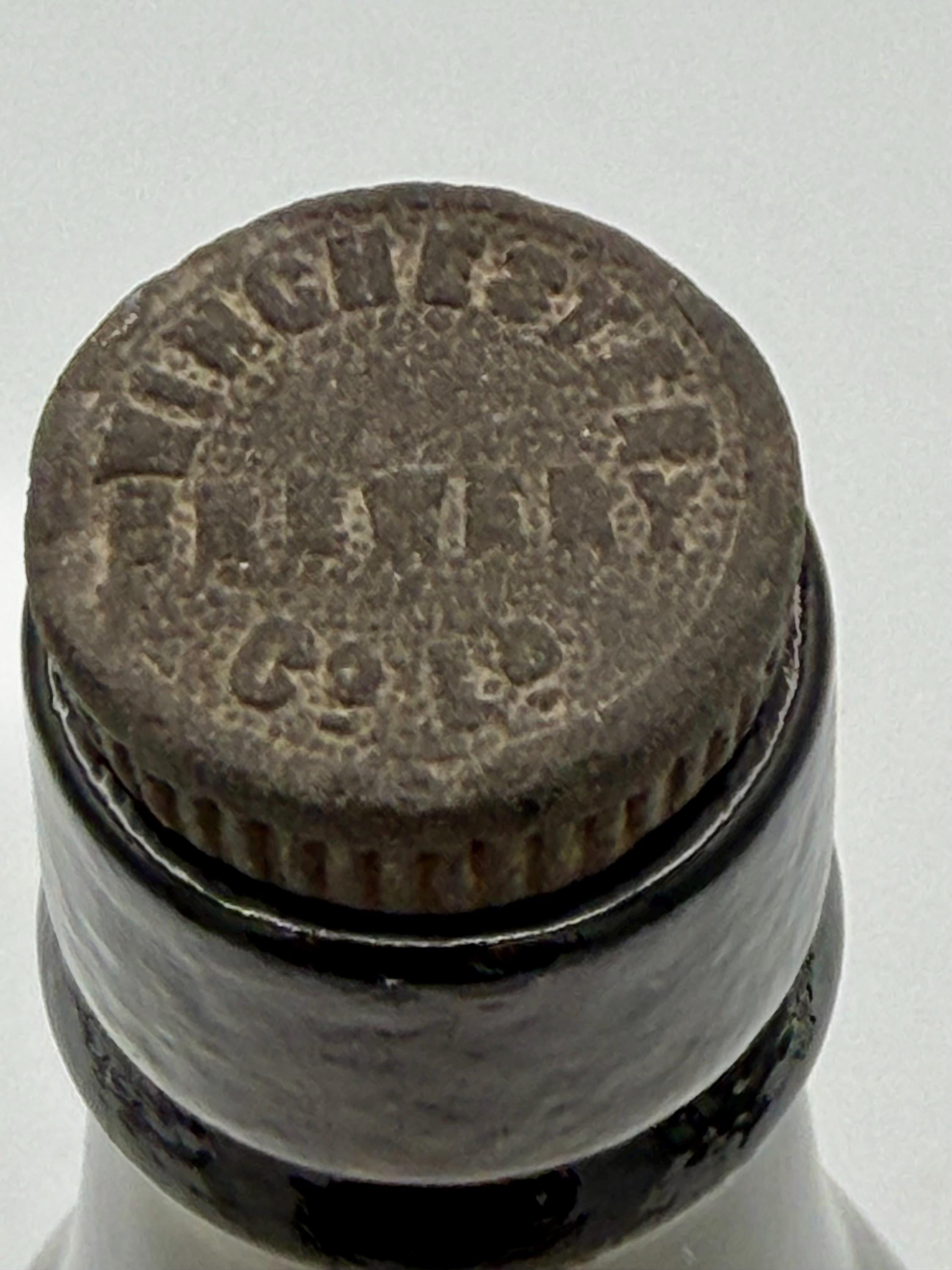
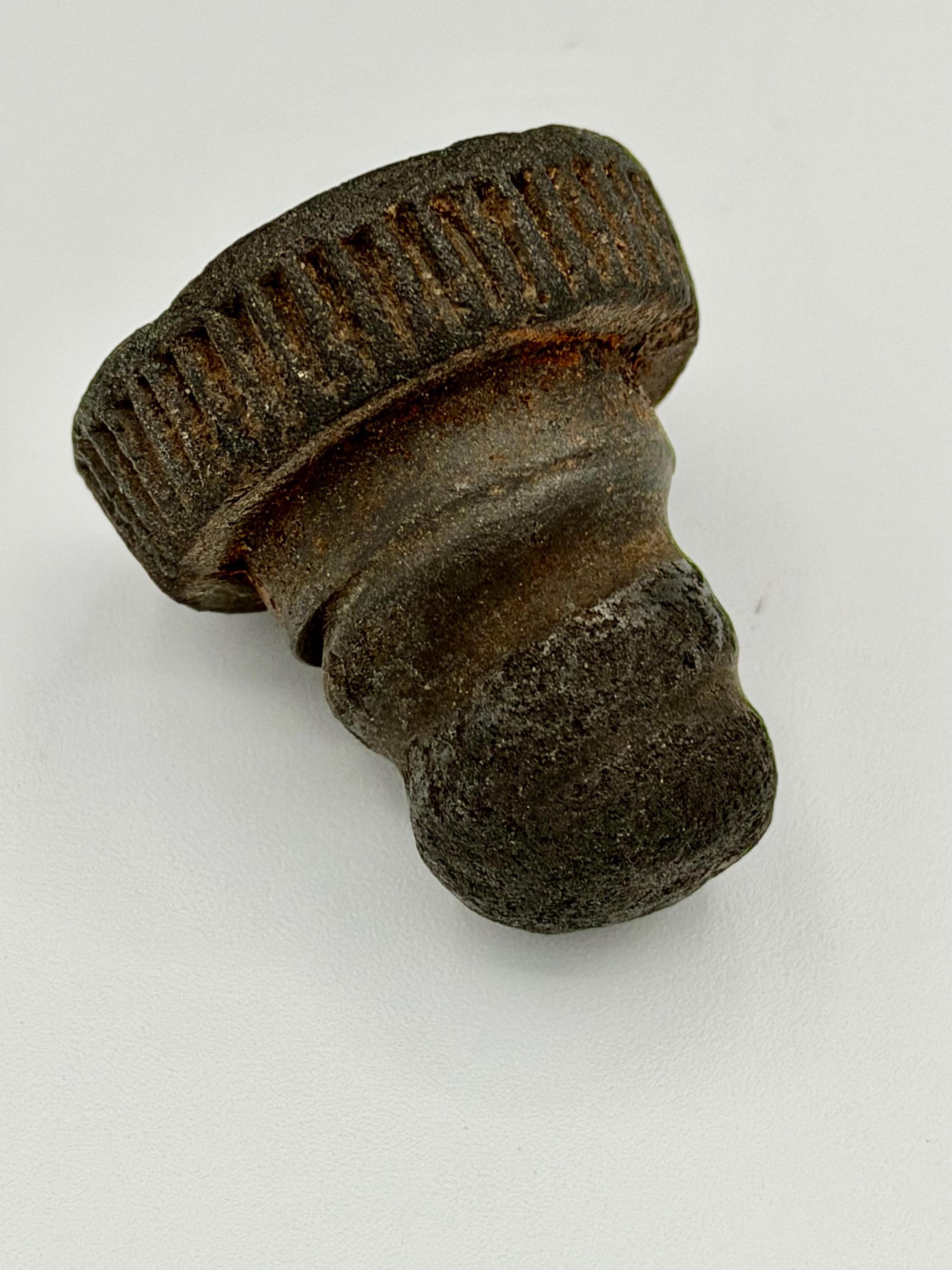
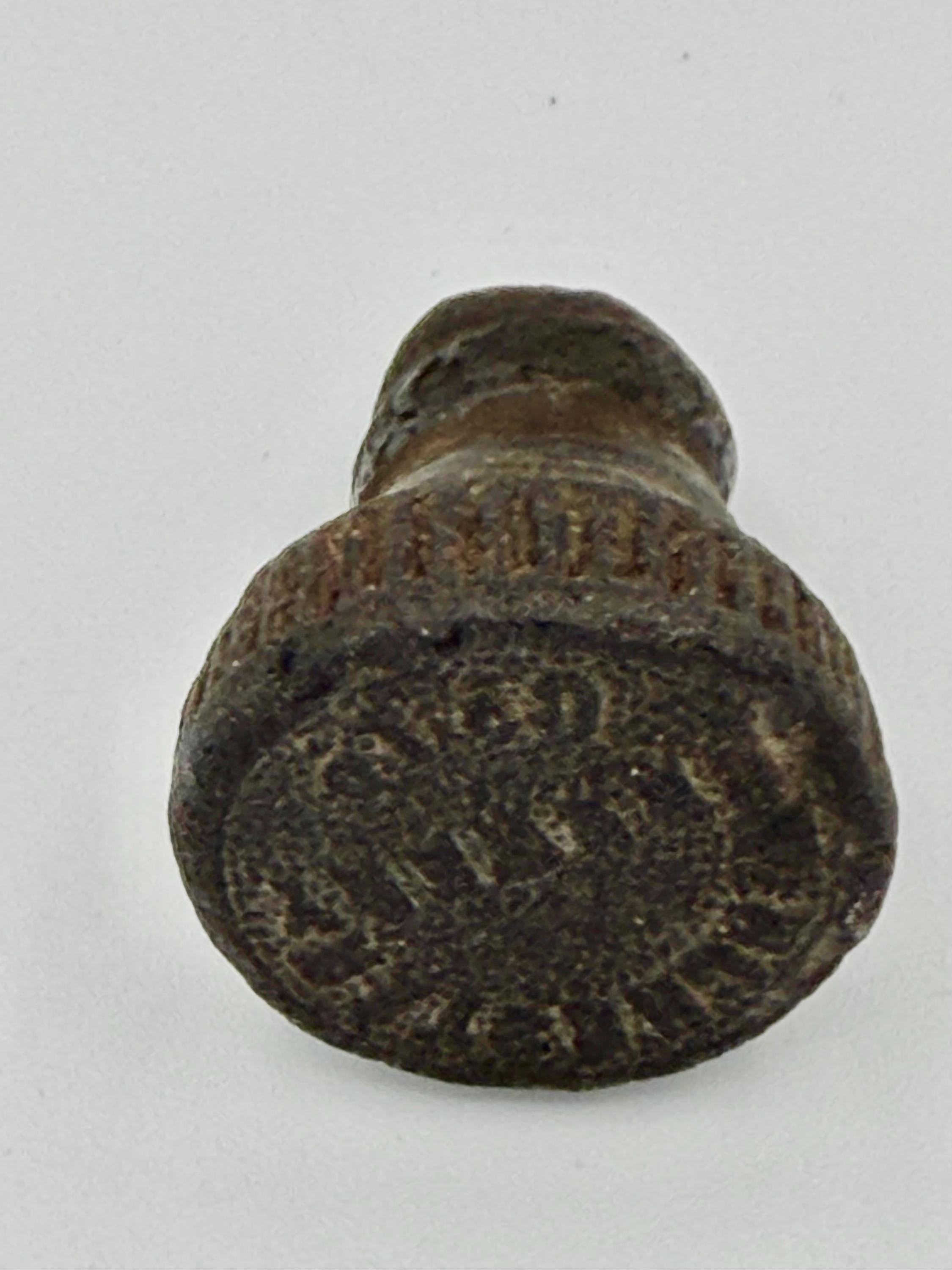
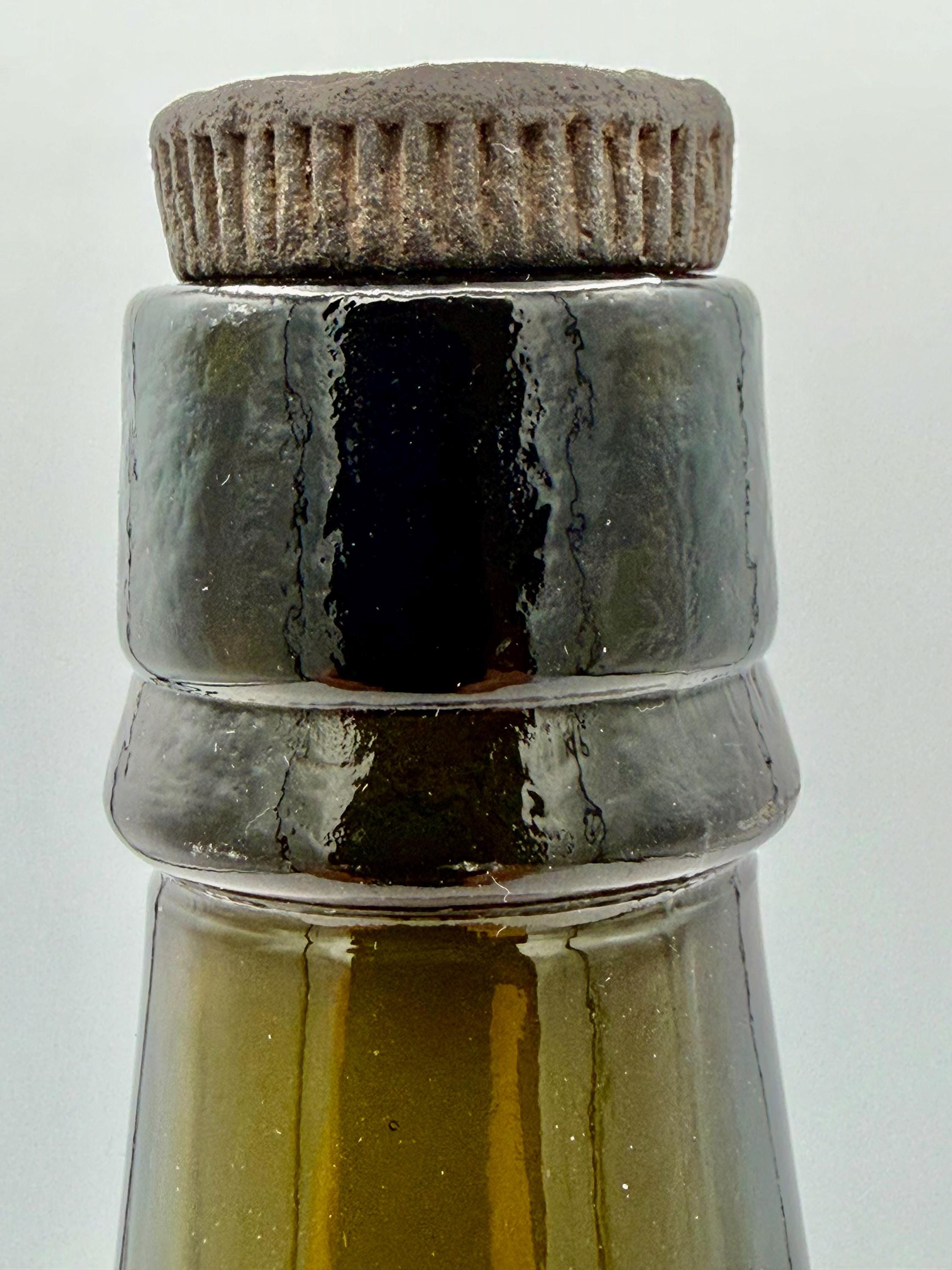
Vulcanite Bottle Stopper-Vulcanite (also known as Ebonite) is a hard, durable rubber invented by Charles Goodyear. It was created by heating natural rubber with sulfur and linseed oil (vulcanization). It was formed into threaded internal screw stoppers which completely revolutionized the bottling industry by replacing leaky, flavor-absorbing wooden stoppers. These stoppers would effectively kept carbonated beers and sodas fizzy for extended periods of time.
GLASS PRODUCTION METHOD:
Early American and British Automation (Owen’s method)- This refers to the groundbreaking automatic bottle-blowing machine patented by Michael J. Owens in 1903, which revolutionized the glass container industry. Owen's inventions paved the future for Early American Pressed Glass (EAPG) mass-production molds. Instead of pouring or casting molten glass, Owens used a vacuum system to suck precise amounts of liquid glass into molds. Prior to Owens' invention, glass bottles were made slowly and dangerously by hand-blowing each piece like traditional glass artisans.
The Owens machine automated the entire process, because it used precise vacuum measurements and automated molds making every single bottle identical in weight and dimensions. The first machines could produce 240 bottles per minute, and one machine could perform the work of over 200 skilled human glassblowers. The process was broken down to “four” production stages;
1. Suction-The machine featured multiple rotating arms that dipped downward, placing "blank molds" directly into a revolving pool of molten glass. Owens machines utilized a "blow-and-blow" process that could leave faint, wandering hairline seams on the body, shoulder, or neck. These are often referred to as "ghost" seams rather than the thick, pronounced mold lines found on earlier hand-blown or semi-automatic molds
2. Vacuum Draw- A pump on the arm created a vacuum, sucking the precise amount of liquid glass upward into the mold to form the neck and preliminary shape of the bottle.
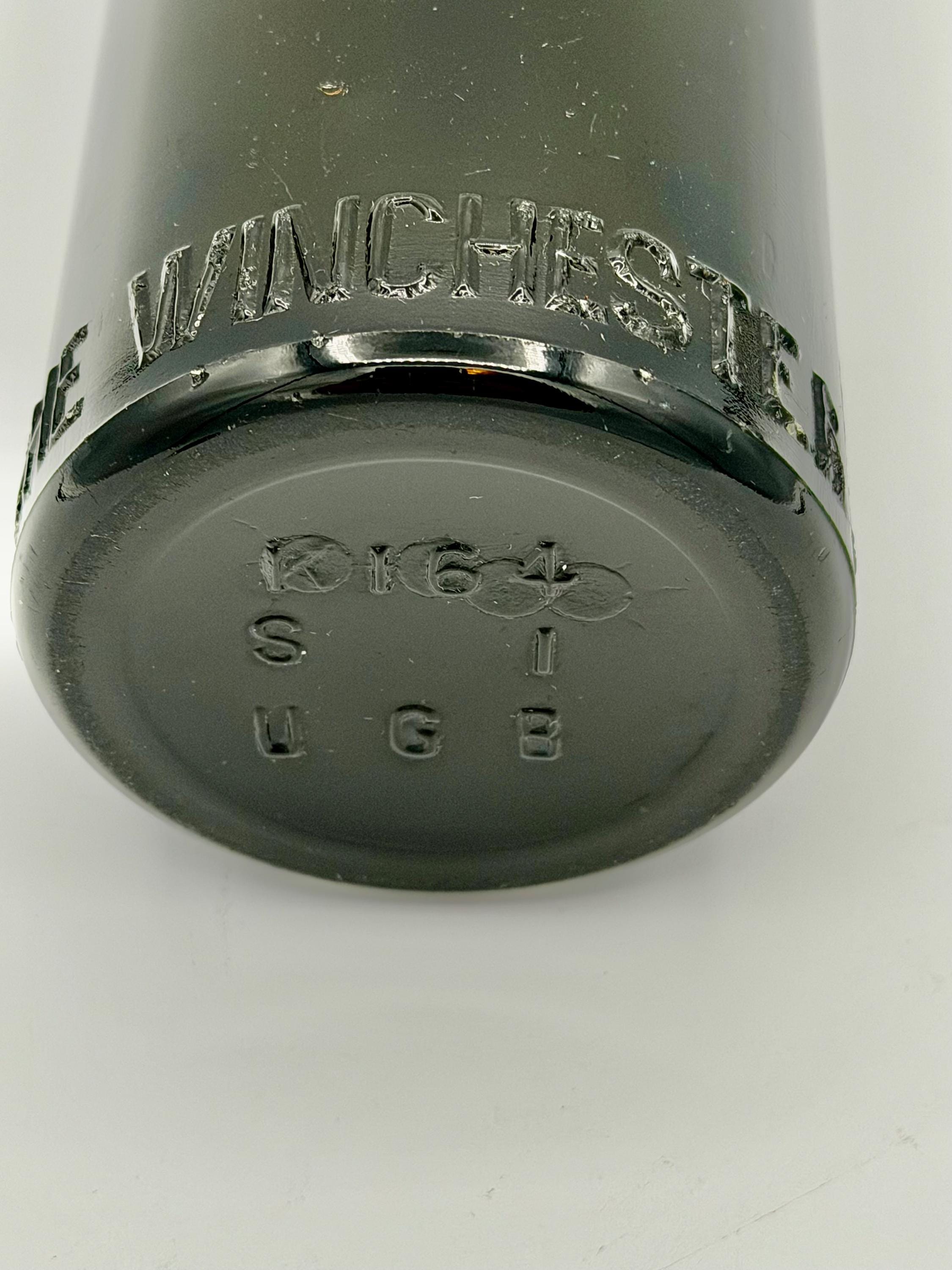
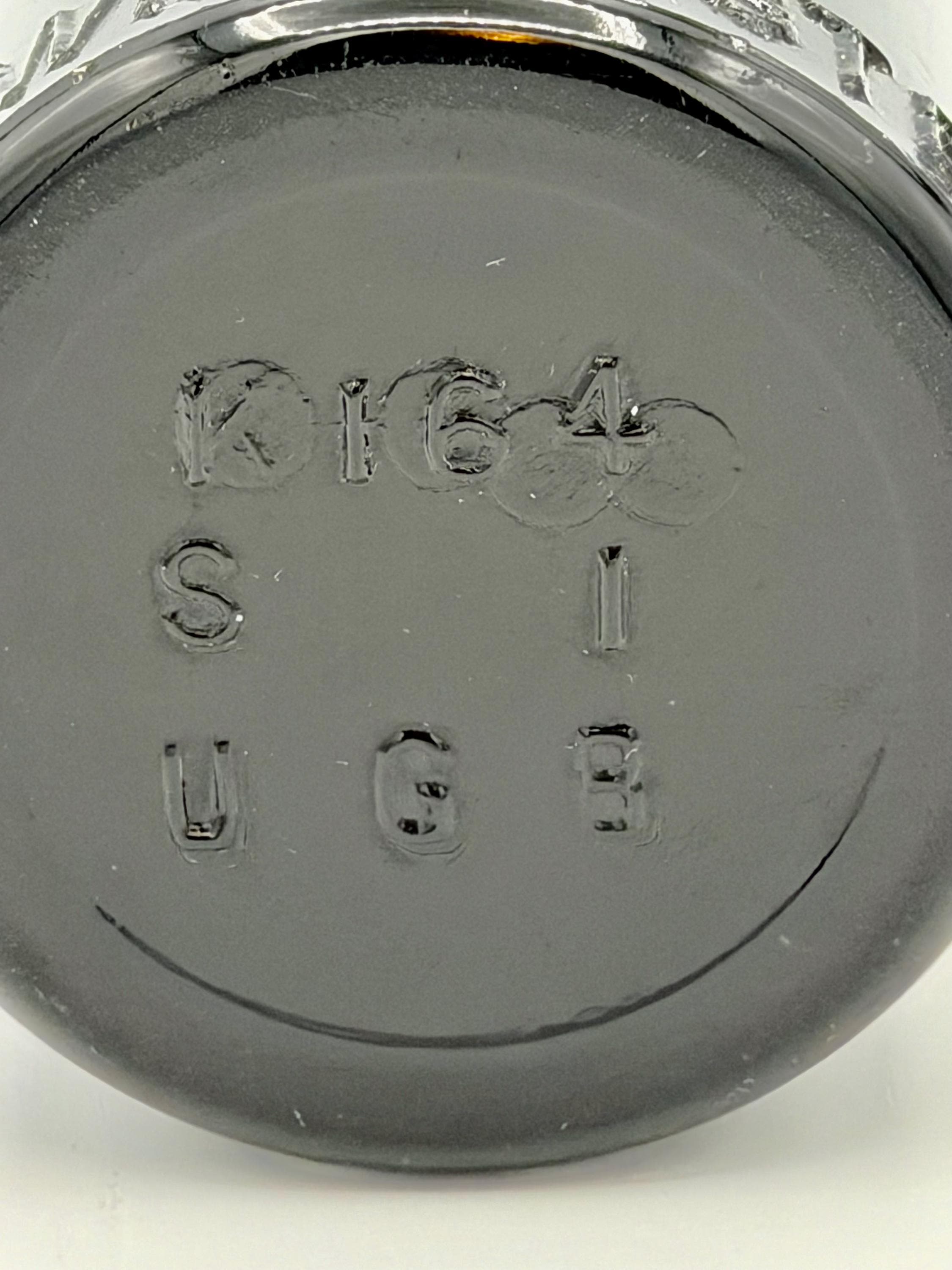
3. Embossing and Shearing - The vacuum suction method leaves a very specific, identifying mark on the base of the bottle called a "suction scar". It is round-ish or oval mark-often slightly off-center that forms as the gob is sheared. All embossed or debossed letters on the bottom (such as plant codes, dates, or company logos) were engraved directly into the base mold. As the glass was drawn upward and expanded by compressed air, it was forced against the engraved surface of the finishing mold, taking on the shape of the letters instantaneously in the same step.
4. Blowing- The blank mold then opened, and the finish mold surrounded the suspended glass. A jet of compressed air blew the glass into the exact shape of the final container that leaves glass seeds (bubbles) within the walls.
DECODED MARKINGS ON BASE:
First Row (K 1 6 4)-This represents the internal product style, catalog, or mold number used by United Glass Manufacturers to identify the shape and size of their bottle products.
Second Row (S I)- This is a factory or internal tracking code. It often designates the specific plant location or the mold cavity letter used during automated production.
The letters U G B on the third row of your green glass bottle stand for United Glass Bottle Manufacturers, Ltd., a major British glassmaking conglomerate that operated between 1913 to 1959 when UGB dropped the B completely from all trademarks.
There are a few scratches on bottle and no grommet on the stopper, but otherwise in great shape for age.
MemoryLaneVintiques sanitizes all glassware, glazed pottery, metal, jewelry and resin cast items before packing for shipment....100% Guaranteed!
STANDS USED IN PHOTOS ARE NOT INCLUDED WITH ANY PURCHASES!
ETSY INTELLECTUAL PROPERTY POLICY: As a venue for artists, designers, and makers, Etsy takes intellectual property rights very seriously. We comply with intellectual property laws and industry best practices in order to maintain the integrity of our creative marketplace. This Intellectual Property Policy explains how we address allegations of infringement: how authorized parties can submit reports of infringement regarding content on our marketplace, and how Etsy sellers can respond when their listings or shops are affected by a report.
MemoryLaneVintiques researchers also protect our shop from Intellectual Property Theft by researching for violators of our material.
ANY COPY AND PASTING OR PLAGIARIZING OF MATERIAL ON MEMORYLANEVINTIQUES
IS SUBJECT TO ETSY INVESTIGATION AND PENALTIES!
please be respectful!
Chad & Jennifer Johnston
(August 2024) -
Shipping & Policies